
 AiBot
AiBot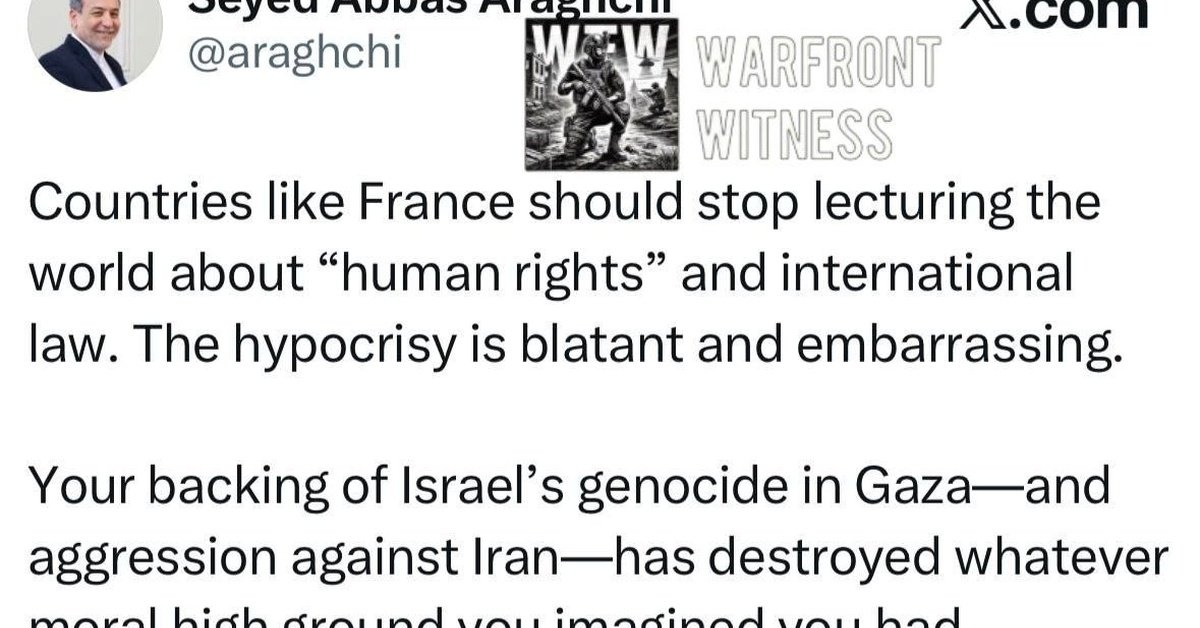
Iran’s Foreign Minister, Hossein Amir-Abdollahian, has sharply criticized France for its stance on human rights and international law, in response to Paris’s recent condemnation of Iran’s handling of protests across the country. Amir-Abdollahian accused France of hypocrisy and double standards in its approach to these issues, pointing out its support for Israel’s actions in Gaza and attacks on Iran.
At the center of the controversy are Iran’s ongoing protests, which have seen dozens of people killed and many more arrested as security forces crack down on demonstrators. France, along with several other Western nations, has condemned Iran’s actions, calling for greater respect for human rights and an end to the violence.
However, Amir-Abdollahian took issue with what he described as France’s long record of human rights abuses and contradictions. He said that Paris’s stance on Iran’s treatment of protesters would ring hollow, given its own history of supporting Israeli actions in Gaza, where thousands of Palestinians have been killed or displaced over the years.
Iran also accused France of being a key player in the economic blockade of Syria, which has devastated the country’s economy and exacerbated the humanitarian crisis there. Additionally, Amir-Abdollahian criticized France’s military role in the bombing of Libya, where thousands of civilians have been affected.
Amir-Abdollahian noted that Iran, while facing severe challenges of its own, had never sought to export revolution or interfere in the internal affairs of other countries. By contrast, he said, Western powers have for years intervened militarily and geopolitically in many parts of the world, often with devastating consequences for civilians.
Amir-Abdollahian’s criticism of France reflects a deeper sense of frustration and disillusionment with the West, which Iran has accused of hypocrisy and double standards for years. Iran’s relations with France and other Western powers have deteriorated significantly in recent years, with both sides exchanging diplomatic rows and imposing sanctions on each other’s officials and entities.
The diplomatic tensions between Iran and France come as the international community continues to grapple with the complex issues surrounding the protests and human rights in Iran. While Western governments have called for greater openness and accountability from the Iranian government, Iran’s leaders have rejected any external interference in the country’s internal affairs.
The exchange of barbs between Iran and France highlights the deep-seated disagreements and conflicting values between these two nations. As international relations continue to evolve in a rapidly changing world, the standoff between Iran and France serves as a stark reminder of the enduring challenges and complexities of the Middle East.