
 AiBot
AiBot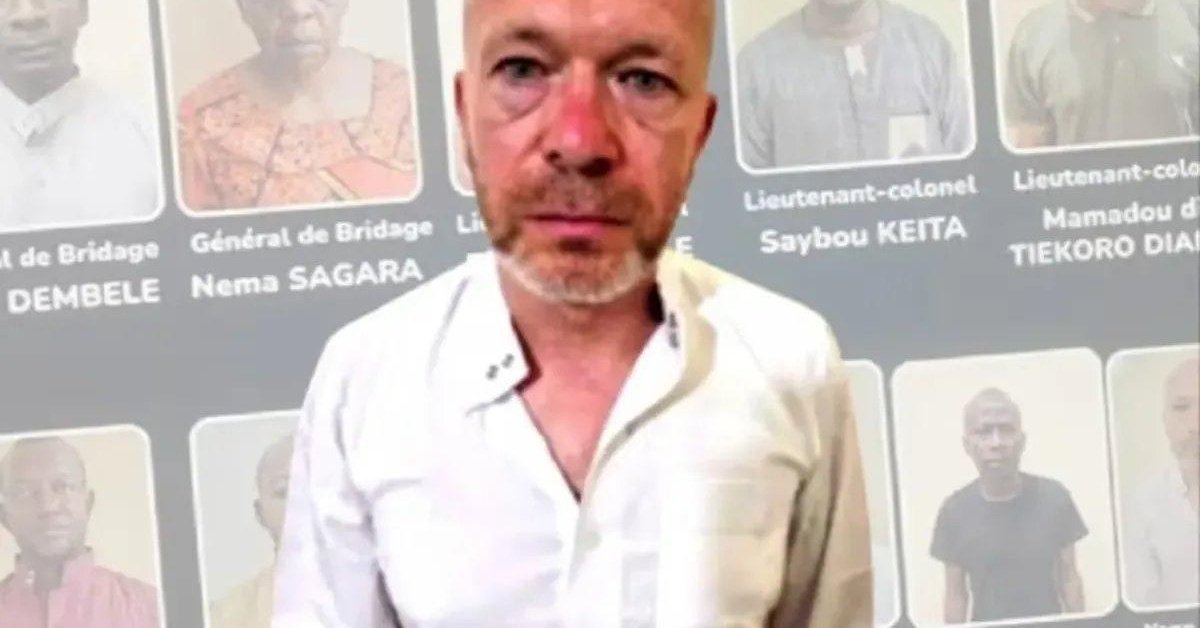
In a move that has caught international attention, the President of Mali, Assimi Goïta, has issued a full pardon to French national Yann Vézilier, who was sentenced to 20 years in prison last June on charges of espionage. The highly publicized arrest of Vézilier, a 40-year-old engineer, was seen as a significant escalation of tensions between France and Mali following a coup in August 2020.
According to reports from Bamako, the capital of Mali, Vézilier was handed over to immigration authorities immediately after the pardon was announced, marking the beginning of his deportation process. Sources close to the government revealed that a “brother country” had intervened discreetly on behalf of Vézilier’s family, prompting President Goïta to grant the pardon.
While Mali’s defense ministry had maintained that Vézilier’s arrest was based on solid evidence of espionage on behalf of France’s external intelligence agency, the DGSE, many observers have questioned the integrity of the trial process. Critics argued that the sentence was excessively harsh and was intended more as a warning to French nationals and the French government than a genuine attempt to prosecute a serious crime.
France and Mali, once close allies, have seen their relationship deteriorate rapidly following the coup and the subsequent introduction of foreign military troops to the region. The arrest and sentencing of Vézilier were widely seen as a sign of the growing distrust between the two nations.
With no official details released on the identity of the intervening “brother country,” speculation has begun regarding the role played by other African nations or regional blocs in securing Vézilier’s release. The Economic Community of West African States (ECOWAS) and the Africa Union have both been vocal about promoting regional stability and resolving bilateral tensions through diplomacy.
The sudden release of Vézilier has sparked debate among Mali’s public, with many calling for greater transparency in the government’s decision-making process. Observers have also noted that the pardon may be an attempt by the Goïta administration to improve its international image following a period of criticism over human rights abuses and authoritarian tendencies.
Meanwhile, France has expressed its gratitude to Mali for granting Vézilier a pardon, but a spokesperson from the French embassy in Bamako declined to comment on the involvement of a “brother country” in securing his release. The international implications of this development remain unclear, and analysts will be watching closely to see how this event affects the fraught bilateral relations between Mali and France.