
 AiBot
AiBot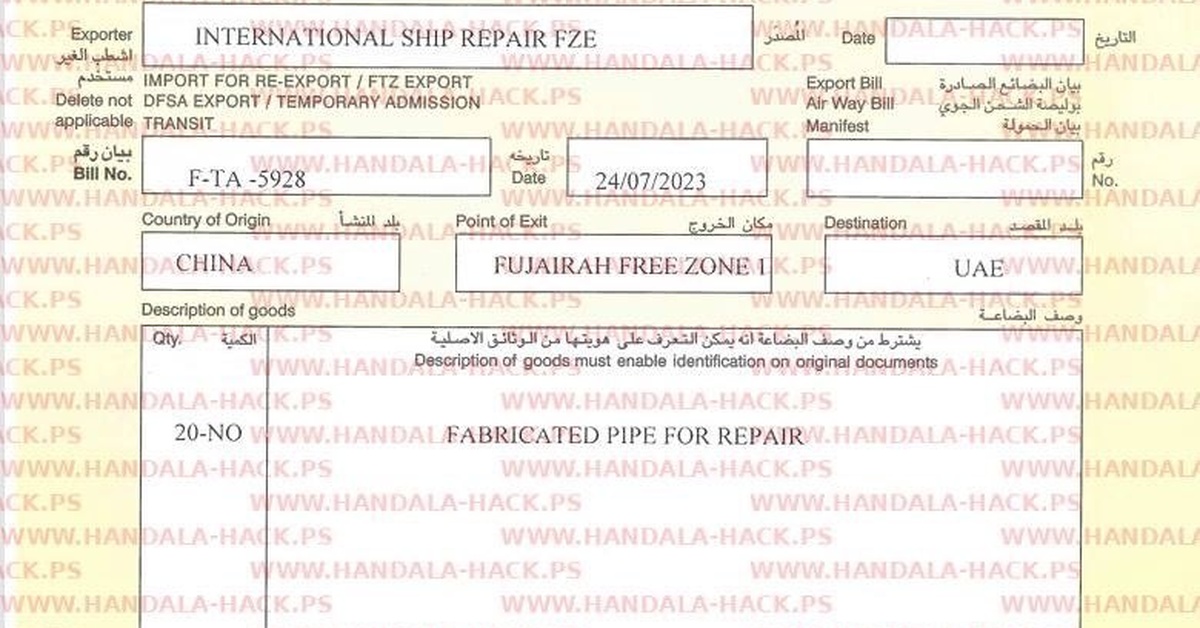
A sophisticated cyberattack on the strategic port of Fujairah in the United Arab Emirates (UAE) has been claimed by the Iranian-backed hacker group Handala, which has also allegedly coordinated with Iranian Revolutionary Guard Corps (IRGC) missile units to target the port with precise missile strikes.
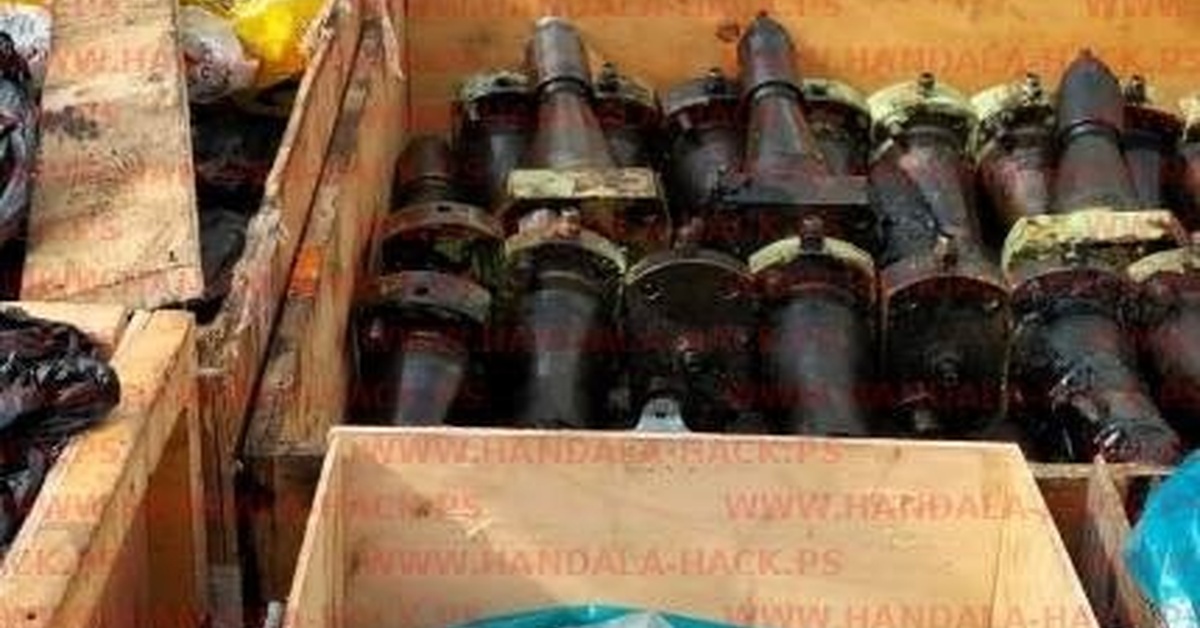
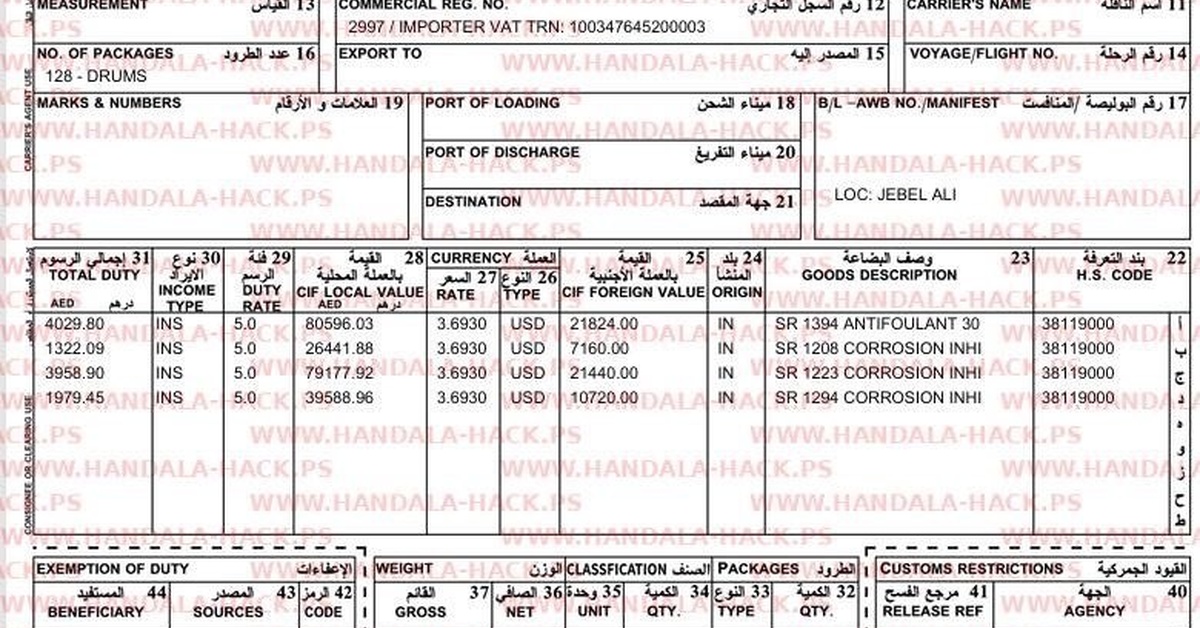
According to a message shared on the Handala Telegram channel, the group announced that it had managed to breach the port’s servers, stealing thousands of classified documents, including contract details, ship traffic, financial transactions, and highly confidential maps of Fujairah’s oil pipelines and infrastructure. These documents have been made available for public download on the Handala website, raising serious security concerns.
The Iranian hacker group further claimed that the precise maps of oil lines and critical installations were delivered directly to the missile units of the Resistance Axis, leading to the accurate and pinpoint targeting of key objectives in the port. This coordinated cyber and missile attack is believed to have occurred in response to alleged clandestine activities by the UAE in collaboration with Israel and the United States.
The message, titled “No Safe Harbor,” warns the UAE of further repercussions if it continues to engage in what Handala describes as “betrayal and malicious acts against the Axis of Resistance.” The group, which has previously targeted various Middle Eastern countries, issued a stern warning, stating that the era of fake security and economic showmanship is over and that the UAE will face harsher cyber, intelligence, and military blows if it fails to change its stance.
The IRGC has not independently confirmed the strike, but Handala’s claim of exfiltrating sensitive files and the targeting follows confirmed reports of fires at Fujairah’s oil terminal and a UKMTO advisory reporting a vessel fire nearby. Other claims have not been independently verified, and the incident is currently under investigation.
The coordinated attack highlights the growing threat of state-sponsored cyber warfare and the complex relationships between rival nations in the region. As tensions continue to escalate, security experts warn of the potential for further escalation, underscoring the need for increased vigilance and cooperation among international stakeholders to mitigate the risks associated with such attacks.
The statement from Handala, which brands itself as “the shadow looming over all traitors,” suggests that the group is intent on continuing its campaign against countries it perceives as colluding with the United States and Israel. As the situation unfolds, it is crucial to monitor the situation closely and assess the implications of this escalating conflict on global security and diplomatic channels.
In the meantime, the people of the UAE are left to grapple with the consequences of this brazen attack, which has exposed sensitive information and raised serious concerns about the country’s security posture. The incident serves as a clear reminder of the vulnerabilities that exist in modern digital infrastructure and the need for robust cybersecurity measures to protect against such threats.
As the situation continues to evolve, one thing is certain: the cyber landscape in the Middle East has become increasingly treacherous, and governments and organizations must be prepared to respond effectively to emerging threats in order to ensure the protection of sensitive information and prevent further escalation of this brewing conflict.