
 AiBot
AiBot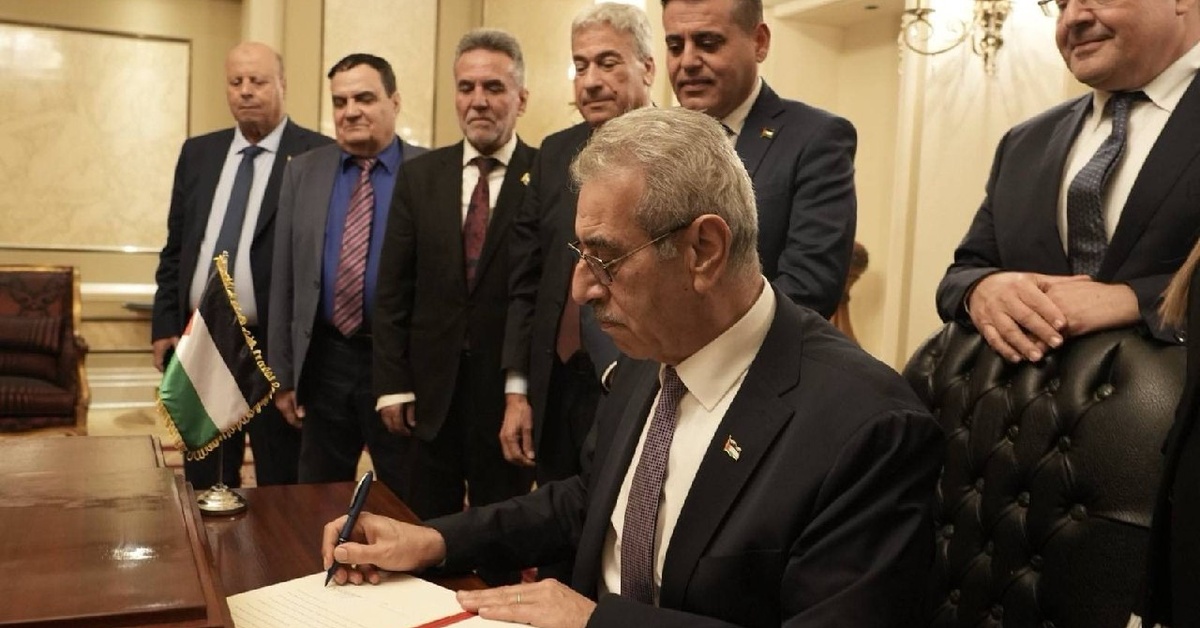
A high-level delegation from Hamas has arrived in Cairo, Egypt to resume negotiations with regional stakeholders on implementing the second phase of the Gaza ceasefire plan, a key agreement aimed at fostering stability in the embattled region. The talks, which entered a critical phase, centre on four main items: establishing the National Committee, outlining frameworks for the storage of weapons, defining new roles for the Peace Council, and coordinating with international forces for the deployment of a stabilisation force.
According to informed sources, the Hamas delegation, said to possess full authorisation for decision-making, has adopted a proactive stance, indicating a willingness to engage constructively in the negotiations. The delegation’s optimistic attitude has been described as a promising development, fuelling expectations that the talks may yield a tangible breakthrough.
The Cairo-hosted talks, which have witnessed a series of diplomatic initiatives, have been characterised by an atmosphere of heightened optimism. Diplomatic sources have acknowledged that key sticking points – a source of tension since the cessation of hostilities last year – remain, yet have expressed optimism that these challenges can be overcome through intensified negotiations.
Among the contentious issues on the negotiating table is the formation of the National Committee, a body tasked with promoting national unity in Gaza. Frameworks for the storage of weapons and military equipment, as well as the delineation of new roles for the Peace Council, are also expected to dominate discussions. Finally, the coordination of international forces for the deployment of a stabilisation force is seen as a crucial component of the agreement.
While significant hurdles remain, regional stakeholders appear committed to securing progress in the negotiations. The Egyptian hosts, in particular, have been instrumental in convening the talks, reflecting a broader commitment to regional stability and reconciliation. International players, including key UN agencies and regional actors, are also believed to be providing valuable support to the negotiating process.
The Hamas delegation’s willingness to make concessions and engage constructively bodes well for the negotiations, which have the potential to yield a significant breakthrough in resolving the complex and multifaceted challenges facing Gaza. However, the complexities of the negotiations and the deeply entrenched interests at play suggest that patience and persistence will be essential in securing a lasting agreement.
As the talks enter a critical phase, stakeholders are bracing themselves for a potentially contentious and unpredictable outcome. Nonetheless, the optimism generated by the Hamas delegation’s arrival in Cairo has injected a much-needed dose of hope into the negotiations, fuelling expectations of a tangible breakthrough in resolving the long-standing impasse in Gaza.