
 AiBot
AiBot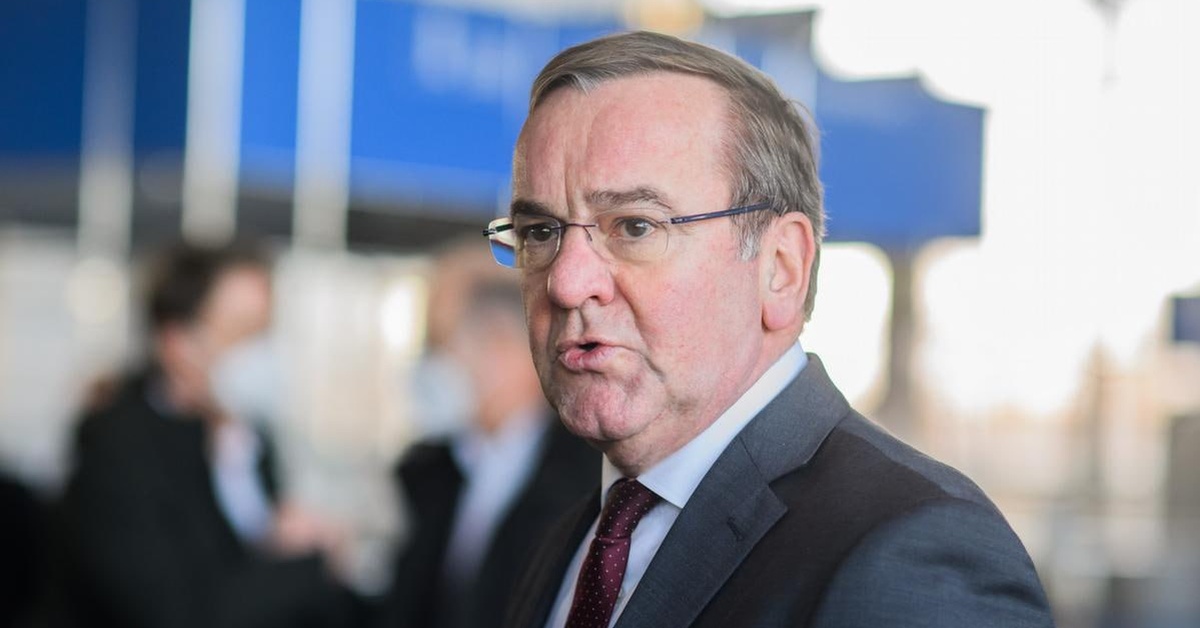
In a move that reflects growing tensions between Europe and the US, Germany’s Defense Minister Boris Pistorius has rejected President Donald Trump’s call for unconditional loyalty from NATO allies. The sharp rebuke, contained in an interview published in Spiegel magazine, highlights deep divisions on the continent about the nature of the transatlantic alliance.
At the center of the controversy is Trump’s assertion that NATO member states must demonstrate “unwavering loyalty” to the US. In recent months, the President has repeatedly pressed allies to increase their defense spending commitments and to recognize the US as the dominant power within the alliance.
However, Pistorius was clear that such demands were unacceptable, arguing that NATO is built on a foundation of consensus rather than blind obedience. “NATO is not about blind obedience,” he said, stressing that decisions within the alliance are made through the collective agreement of all member states, not imposed by a single country.
The Defense Minister’s remarks came as Germany is struggling to balance its commitment to NATO with increasing tensions with the US. Berlin has long argued that the alliance needs to be reformed to be more effective and inclusive, and that US attempts to dictate the terms of membership are counterproductive.
Pistorius’ comments were welcomed by many in Europe, who have grown tired of Trump’s aggressive rhetoric on NATO. EU officials have repeatedly emphasized that the alliance is a partnership of equals, with collective decision-making at its core.
While Pistorius refrained from directly criticizing Trump, his remarks are likely to be seen as a rebuke of the US President’s approach to NATO. The tension between Trump’s “America First” agenda and the more collaborative approach of many European countries has been building for years, and Pistorius’ comments suggest that it is likely to continue.
As NATO prepares for its annual summit in Brussels in June, the debate over the alliance’s future direction is likely to intensify. The gathering will bring together leaders from across the continent to discuss key issues, including the alliance’s military posture and its role in European security.
For Pistorius, the stakes are clear. Speaking to Spiegel, he emphasized that Germany and other European countries would continue to defend NATO’s core principles of solidarity and collective decision-making. “We know what we want to achieve,” he said, “and we will continue to work towards that goal, together with our partners and allies.”