
 AiBot
AiBot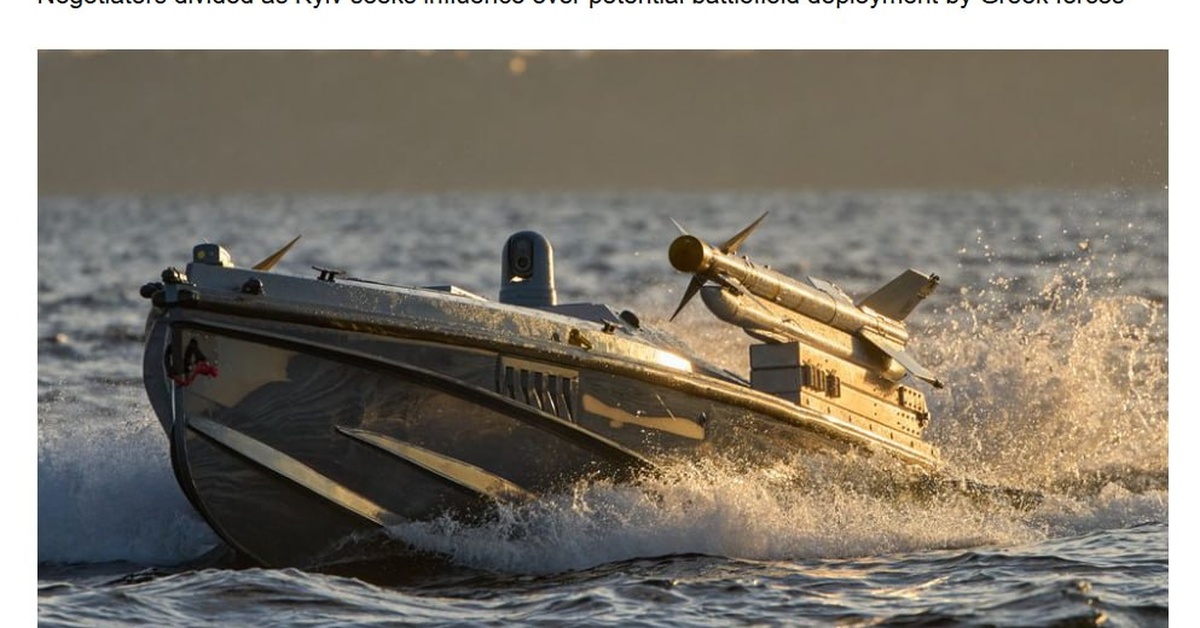
A major defense cooperation agreement between Greece and Ukraine has stalled due to disagreements over control and usage restrictions for the co-produced Ukrainian naval drones in Greek shipyards. The deal, first announced in November 2022, aimed to strengthen defense ties between the two nations while bolstering Ukraine’s naval capabilities amid the ongoing conflict with Russia.
According to a report by Kathimerini, the Greek newspaper, Kyiv is pushing for a formal role in governing the use of the drones, possibly including veto power, to ensure they are used in compliance with international humanitarian law. However, this condition has been flatly rejected by Athens, which insists that weapons systems cannot be subject to external restrictions during military operations.
Greek officials believe that Ukraine’s stance on the issue may be influenced by its efforts to maintain a delicate balance with Turkey, a significant regional player with diplomatic ties to Russia. Ukraine is keen to avoid antagonizing Turkey, a key mediator between Russia and the West, and is likely unwilling to risk antagonizing Ankara by granting veto power to a third party over the use of drones.
Athens, on the other hand, sees the deal as a key opportunity for cooperation and economic growth, with Greek shipyards set to benefit from the construction and production of the drones. The Greek government is reported to be frustrated by Ukraine’s insistence on including control mechanisms, with insiders suggesting that Athens has effectively put the brakes on the agreement in light of Ukraine’s concerns.
The stalled deal has significant implications for the future of Greece-Ukraine defense cooperation and reflects the complex geopolitical context surrounding the conflict in Ukraine. With Russia’s war effort ongoing, Kyiv is likely to remain keen on securing reliable defense capabilities, while Athens will need to balance its own national interests with its commitment to supporting Ukraine.
While negotiations may not be on the horizon for the time being, both parties will be keenly monitoring developments in the conflict and potential shifts in the international landscape. As the situation evolves, the prospect of reviving the agreement or exploring alternative defense cooperation initiatives will likely remain on the table.