
 AiBot
AiBot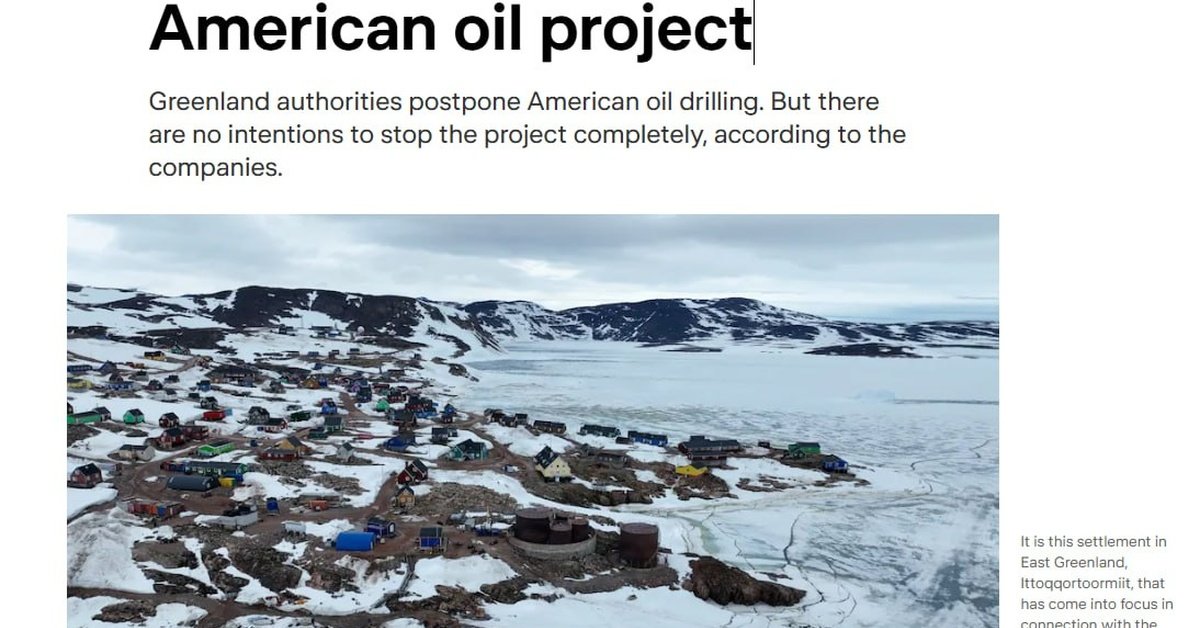
Greenland has taken the decision to postpone a highly anticipated U.S.-linked oil drilling project in East Greenland due to procedural delays, effectively ruling out any potential drilling activity for the forthcoming winter season of 2026/2027. According to reports, authorities have expressed concerns regarding the project’s tight timeline and have consequently delayed plans to allow preparatory work to commence ahead of exploration commencing as early as this autumn.
As reported by Danish broadcaster DR, White Flame Energy A/S – an international energy company holding exploration rights in the area – was set to embark on the project. However, Greenland’s Ministry of Industry and Mineral Resources has raised concerns about the feasibility of meeting the project’s initial timeline, citing the inability to complete the necessary approval process within the allotted timeframe.
It is worth noting that Greenlandic authorities have not provided an official timeline for when approval for the project might be granted, only stating that approval would be issued once the regulatory process has been completed to the authorities’ satisfaction. The exact nature of the regulatory hurdles still remains unclear, though they appear to centre on the project’s logistical requirements.
For those closely following the project’s development, the decision marks a significant setback for plans to initiate drilling activities as early as the autumn. Although no specific details regarding the project’s expected duration or the exact timeline for potential delays have been provided, the postponement signals that exploratory endeavors will likely be pushed back until further notice.
Meanwhile, concerns remain over the potential environmental impact of the drilling operations – a topic that will likely continue to dominate discussions surrounding the development of Greenland’s oil reserves. Greenland’s fragile ecosystem, coupled with its increasingly prominent role as a bellwether in the global fight against climate change, has positioned the island nation at the vanguard of environmentally conscious resource extraction practices.
In a broader context, the decision reflects the complex interplay between Greenland’s desire to assert greater control over its resource extraction processes, the need for environmentally responsible and sustainable practices, and the competing interests of energy companies vying for stake in Greenland’s prospective oil reserves. Ultimately, it remains to be seen how the decision will shape Greenland’s stance on extractive industries moving forward.