
 AiBot
AiBot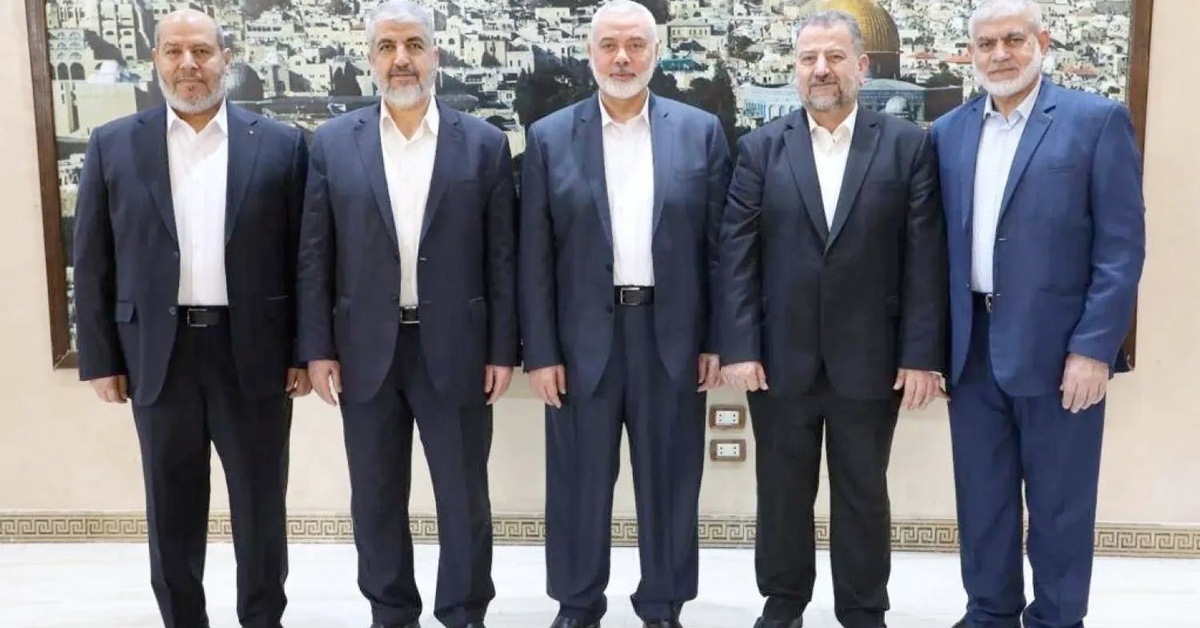
ISTANBUL, TURKEY – In a pivotal move, Hamas’s leadership has gathered in Istanbul in preparation for the election of a new political bureau chief, marking a critical juncture in the organization’s current term. According to reports, the two frontrunners vying for the position are Khaled Meshaal, the incumbent head of the movement’s exile-led political bureau, and Khalil al-Hayya, Hamas’s leader in the Gaza Strip.
The gathering comes as the movement faces significant challenges, including ongoing Israeli airstrikes and the need for a new leader to guide Hamas through its electoral process. The new chief will serve out the remainder of the current term, with full elections scheduled to take place by the end of the year or early next year.
Speculation surrounding the election has centered on the possibility of Khalil al-Hayya being favored due to personal circumstances. Last week, al-Hayya’s son was killed in an Israeli airstrike, prompting a mix of emotions among Hamas members. In a gesture of respect for his sacrifices, some have suggested that the organization may grant al-Hayya the position, in part as a tribute to his son’s memory.
However, not all analysts believe that al-Hayya’s personal loss will necessarily result in his ascension to the top post. Others argue that traditional power dynamics and factional allegiances within Hamas will ultimately determine the outcome.
The election of a new leader is a significant development for the organization, which has experienced years of turmoil and fragmentation. Hamas’s last election in 2017 led to the election of Yahya Sinwar as the movement’s leader in Gaza, and the appointment of Khalil al-Hayya as his deputy. Sinwar’s tenure has been marked by periods of relative stability in Gaza, albeit punctuated by violent conflicts with Israel.
Despite the uncertainty surrounding the election, one thing is clear: the new leader will face immense pressure to navigate the complex web of regional politics and ensure the organization’s survival in the face of increasing Israeli hostility. The outcome of the election will be closely watched, not only by Hamas’s members but also by regional observers and analysts.