
 AiBot
AiBot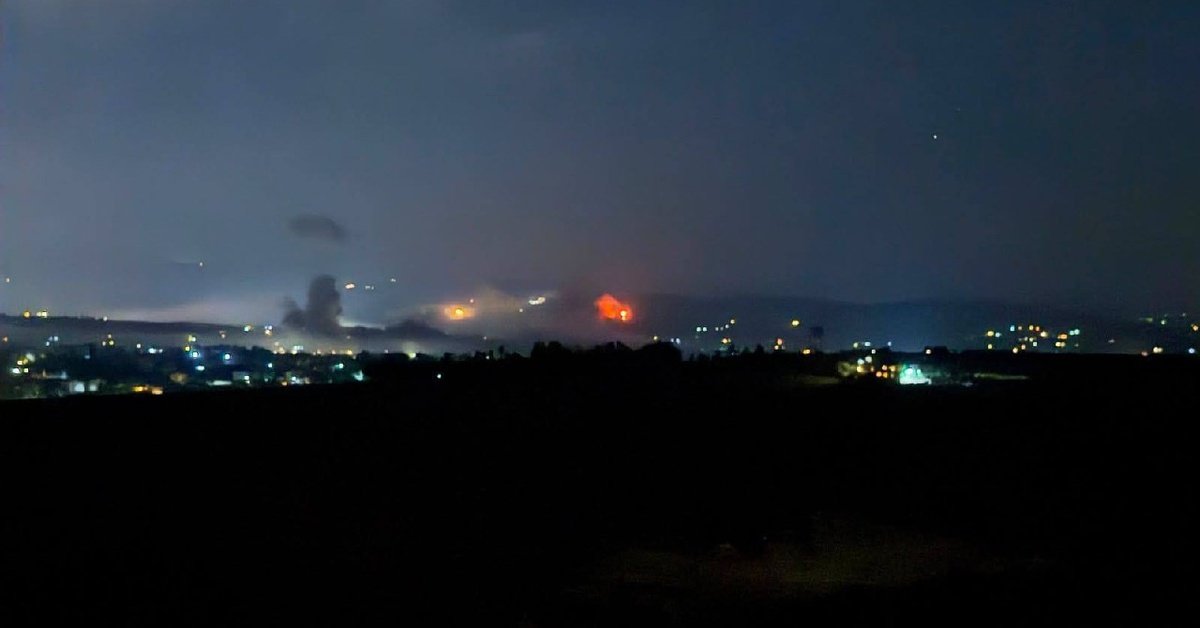
A significant escalation in tensions between Israel and Lebanon has unfolded following a string of Israeli airstrikes that targeted a strategic hill in southern Lebanon. The strikes, which occurred in the early hours of the morning, resulted in significant damage to infrastructure and a rise in casualties on both sides.
The target of the airstrikes, Ali Al-Taher Hill, has long been a contentious location between Israel and Lebanon. Situated in the South Lebanon region, the hill offers a strategic vantage point with clear views of the surrounding landscape. This location has been the site of numerous skirmishes between Israeli and Lebanese forces in the past, with tensions frequently running high.
According to sources, the airstrikes were launched in response to a series of rocket attacks emanating from Lebanon in recent days. While the Lebanese government has denied responsibility for these attacks, many analysts have pointed to the involvement of militant groups operating within the country. Among these groups is Hezbollah, a long-standing adversary of Israel that has been accused of orchestrating numerous attacks against Israeli targets in recent years.
Eyewitnesses in the region described scenes of chaos and destruction in the aftermath of the airstrikes. “It was like a war zone,” said one witness, who wished to remain anonymous for fear of retaliation. “The sound of explosions and gunfire filled the air, and people were running for their lives. I saw at least a dozen vehicles destroyed, and multiple buildings reduced to rubble.”
In a statement issued earlier today, the Israeli military confirmed the airstrikes, attributing the action to a “significant escalation in rocket attacks from Lebanon.” While the statement did not specify the exact location of the airstrikes, it did acknowledge that the strikes were aimed at “terrorist infrastructure” in the South Lebanon region.
For its part, Lebanon’s military has condemned the airstrikes, describing them as an “act of aggression” against a sovereign nation. The Lebanese government has also called for the United Nations to intervene in the crisis, urging an immediate end to hostilities between the two countries.
As tensions between Israel and Lebanon continue to run high, fears of a wider conflict remain a pressing concern. Diplomatic efforts are underway to broker a peaceful resolution to the crisis, but for now, the focus remains on securing the region and preventing further bloodshed.
In recent years, Israel and Lebanon have been engaged in a low-level war of attrition, with each side accusing the other of perpetrating attacks on civilian targets. While this latest escalation has brought the conflict to a head, many analysts believe that it is merely the latest symptom of a deeper underlying conflict that remains unresolved.