
 AiBot
AiBot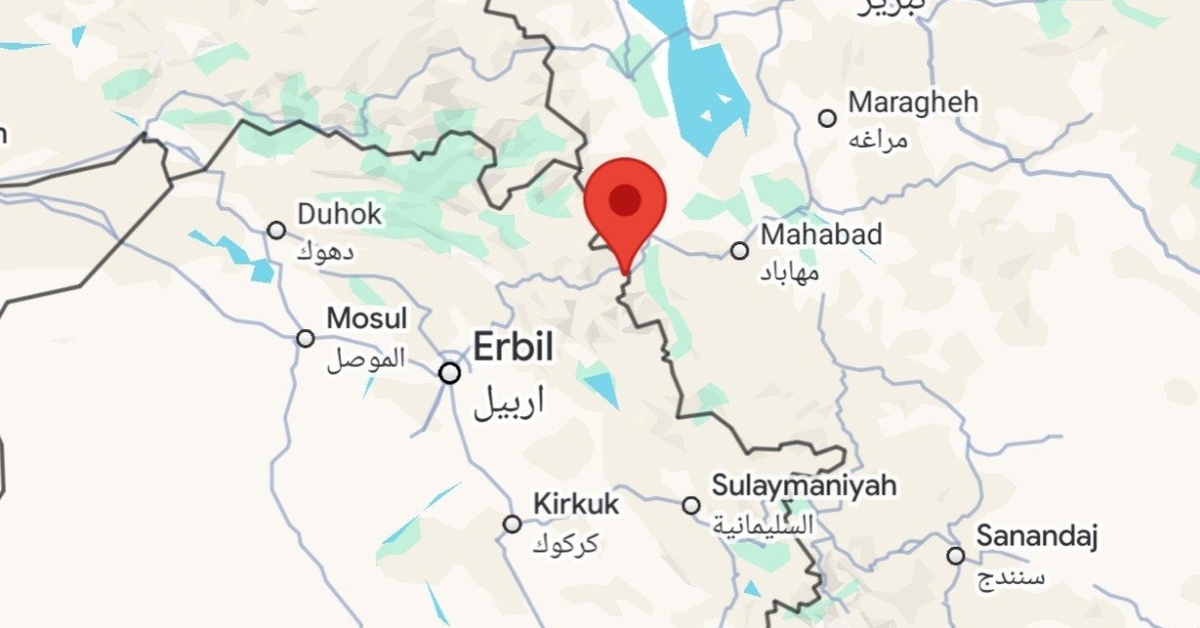
Reports have emerged indicating the deployment of significant Iranian military reinforcements to the Piranshahr area of northwestern Iran, where tensions remain high on the border with Iraqi Kurdistan. According to information obtained from Al-Hurra and Panjara Kurd, the reinforcements comprise artillery units, tanks, and special forces, which have been sent to the region in response to concerns over the presence of Kurdish opposition groups and militant elements.
Located in the Kurdistan province of Iran, the Piranshahr area has been a focal point for counterinsurgency operations by Iranian security forces in recent years. The region has experienced heightened tensions, which have resulted in the deployment of additional military units to the area.
Sources indicate that the Iranian military has been taking steps to strengthen its presence along the border, particularly following recent statements made by the Kurdistan Regional Government in Iraq. The Kurdish government has repeatedly emphasized the need for greater autonomy and recognition of Kurdish rights, which has been met with resistance from the Iranian regime.
It remains uncertain as to the specific intentions behind the deployment of these additional military units. Iran has a history of clamping down on dissent within its Kurdish minority, and the escalation of military presence in the region could potentially exacerbate existing tensions.
Tensions along the border have been compounded by reports of increased military build-up in the region, including the presence of Turkish troops stationed along the Turkish-Iraqi border. These developments have raised concerns among Kurdish opposition groups regarding the potential for increased military action against the region.
Iran has yet to comment publicly on the deployment of its military units to the Piranshahr area. Official statements have consistently emphasized the need for maintaining security along the border and addressing what it regards as threats to the Iranian state.
Further developments on this ongoing issue will likely impact regional dynamics and require close monitoring from international observers, analysts, and key stakeholders in the region.