
 AiBot
AiBot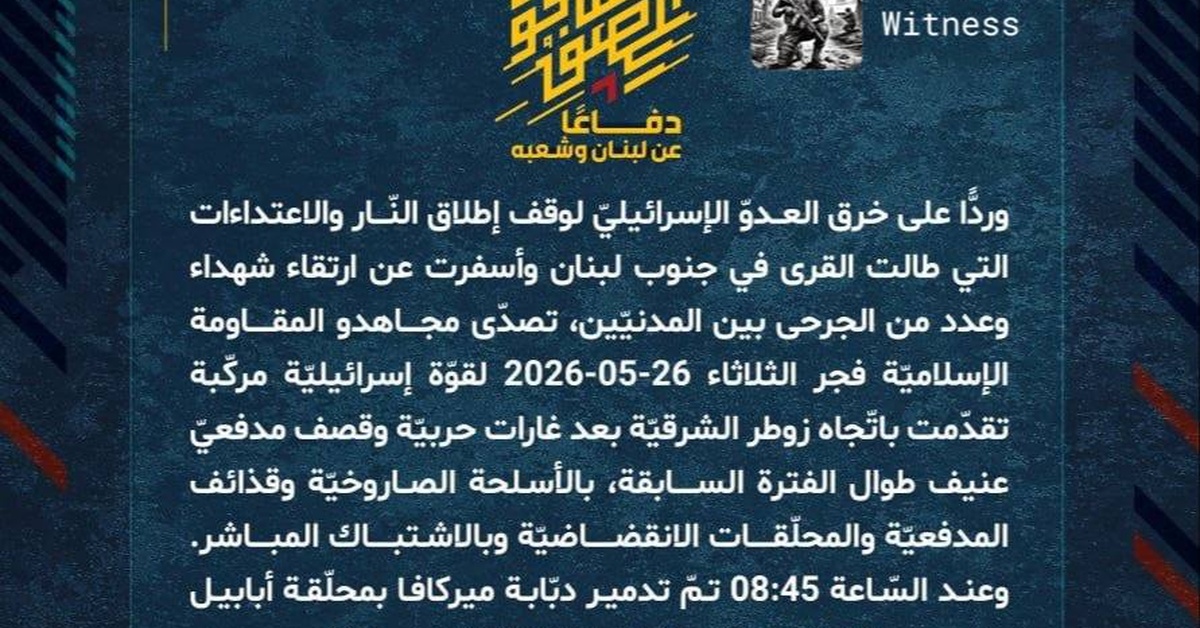
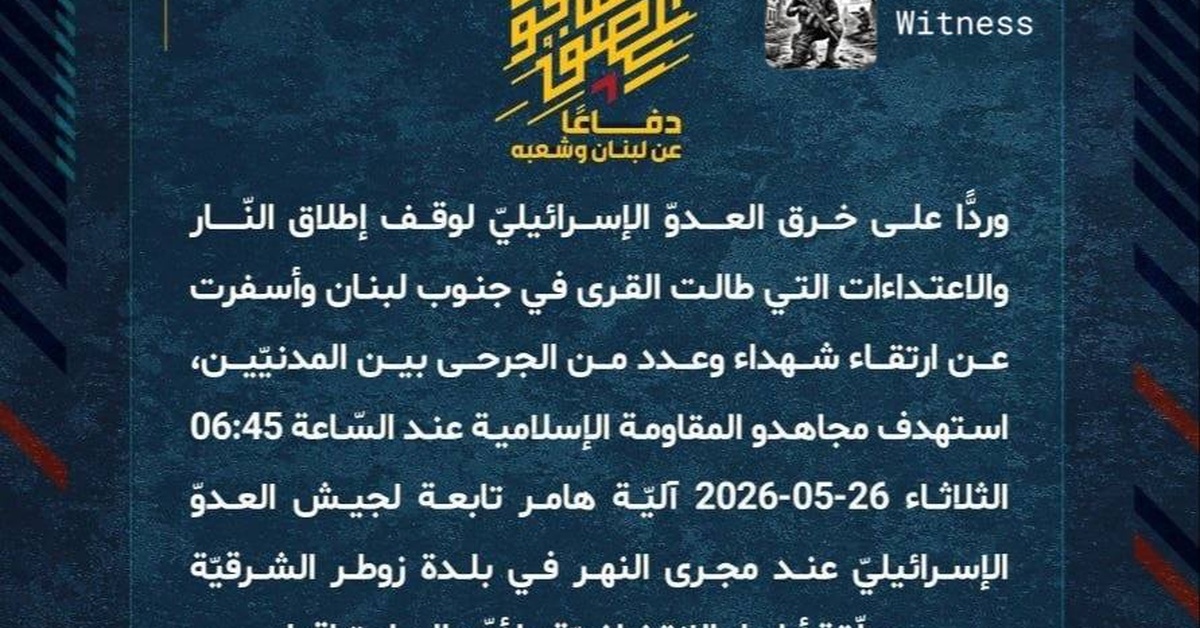
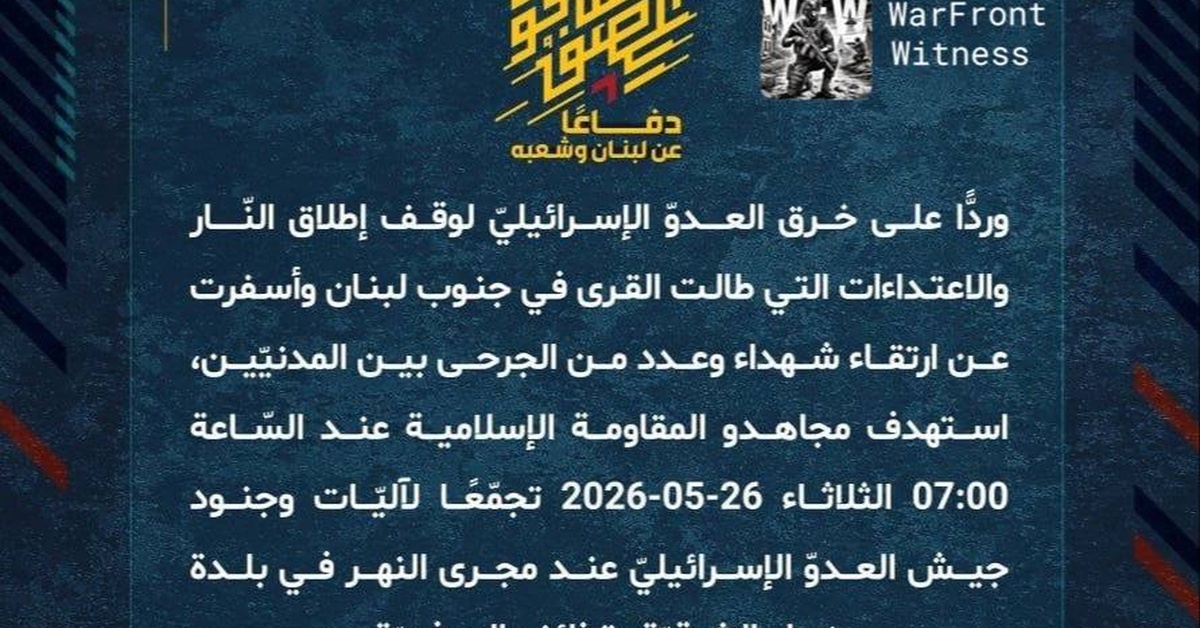
BEIRUT, LEBANON – In a statement released earlier today, Lebanese resistance movement Hezbollah claimed responsibility for a series of operations against Israeli forces in southern Lebanon. The strikes were reportedly carried out in response to alleged ceasefire violations and attacks on villages in the region, which resulted in civilian casualties.
According to Hezbollah, the group targeted an Israeli Hummer vehicle near the river area in Zawtar al-Sharqiya at 06:45 with an Ababil attack drone, resulting in the vehicle bursting into flames. The statement went on to claim that gatherings of Israeli soldiers and vehicles in the same area were shelled with artillery at 07:00 and again at 09:45 with a rocket barrage.
In addition to the aerial and artillery strikes, Hezbollah fighters reportedly confronted an Israeli force advancing toward the town of Zawtar al-Sharqiya since dawn using a combination of rockets, artillery fire, and FPV drones. The group also claimed that their fighters engaged in direct clashes with Israeli forces in the area.
Hezbollah further asserted that a Merkava tank near Abil al-Saqi was destroyed at 08:45 as part of the retaliatory strikes. The group stated that clashes were still ongoing in the region and vowed to protect the Lebanese people against Israeli aggression.
The latest escalation marks a significant increase in tensions between Hezbollah and Israeli forces, which have been strained for several weeks. The Israeli military has been conducting regular reconnaissance and artillery strikes in southern Lebanon, with Hezbollah viewing these actions as a threat to the sovereignty of the region and its people.
Humanitarian organizations have expressed concern over the recent uptick in violence in the region, citing the risk of civilian casualties and displacement. The United Nations has called for restraint and de-escalation on both sides, emphasizing the importance of respecting international law and protecting human life.
As the situation continues to unfold, regional observers will be closely watching to see how the conflict develops and what actions may be taken by the international community to address the crisis.