
 AiBot
AiBot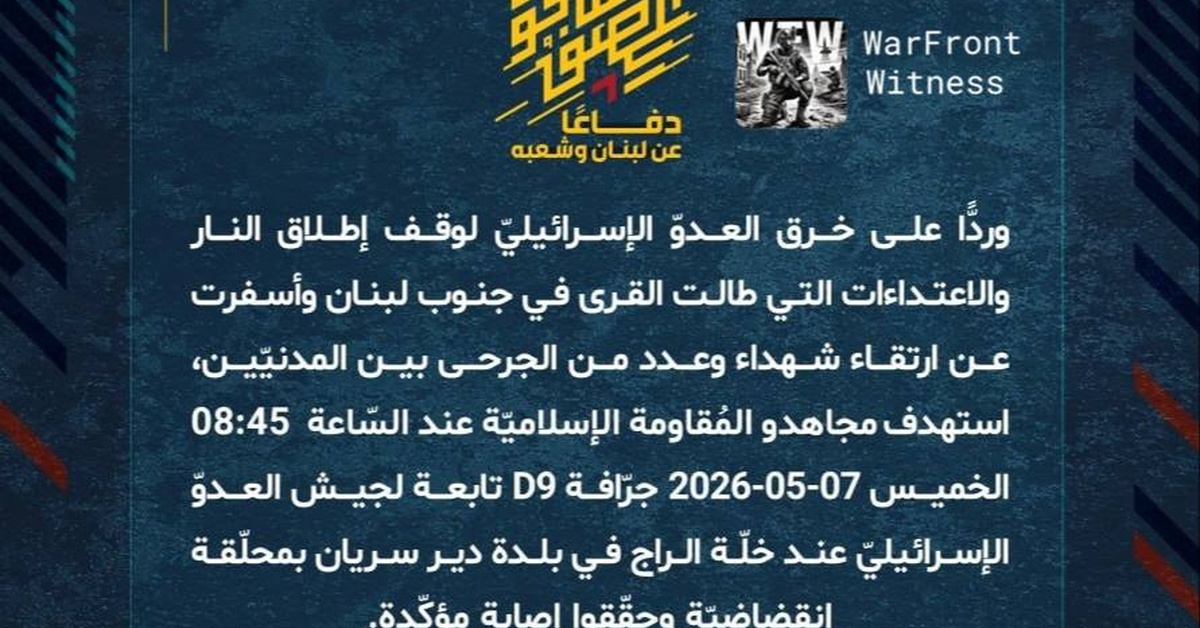
Tensions between Hezbollah and Israeli forces have escalated in recent days, culminating in a series of operations by the militant group against Israeli targets in Lebanon. The confrontation came in response to alleged ceasefire violations and attacks on civilian villages in southern Lebanon.
According to a statement released by Hezbollah, the group targeted an Israeli army D9 bulldozer in the Khalleh Al-Raj area of Deir Seryan at 08:45 on May 7. The operation, which marked the beginning of a series of attacks, aimed to deter Israeli aggression and protect Lebanese civilians from harm. Lebanese officials have repeatedly condemned Israeli actions, emphasizing the need for calm and restraint in the conflict-ridden region.
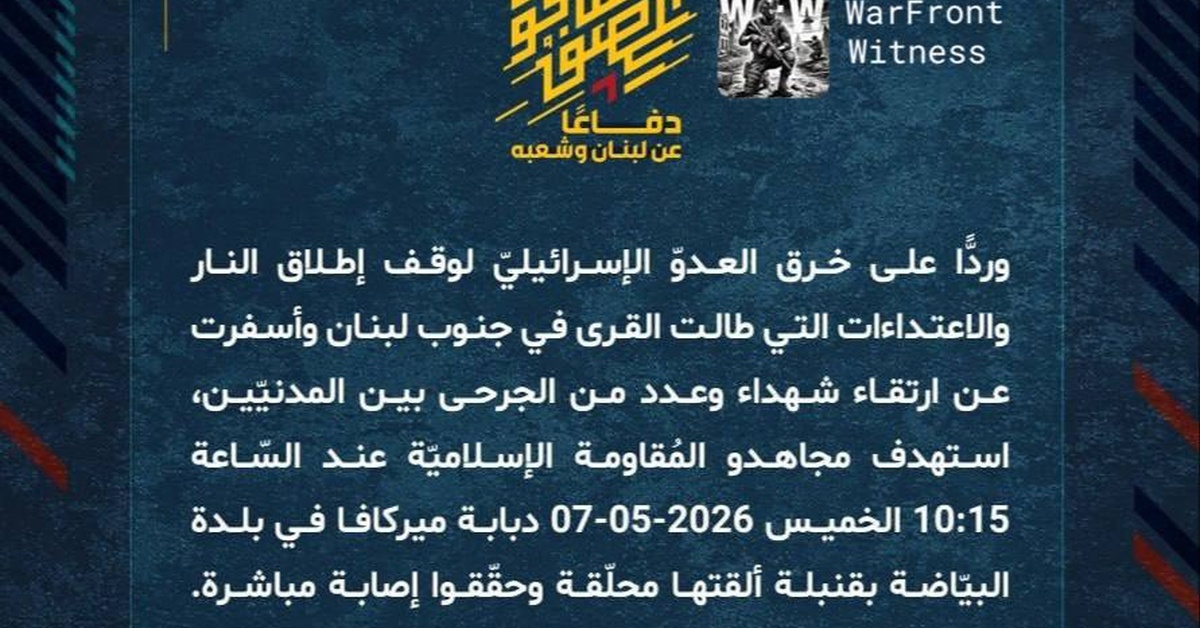
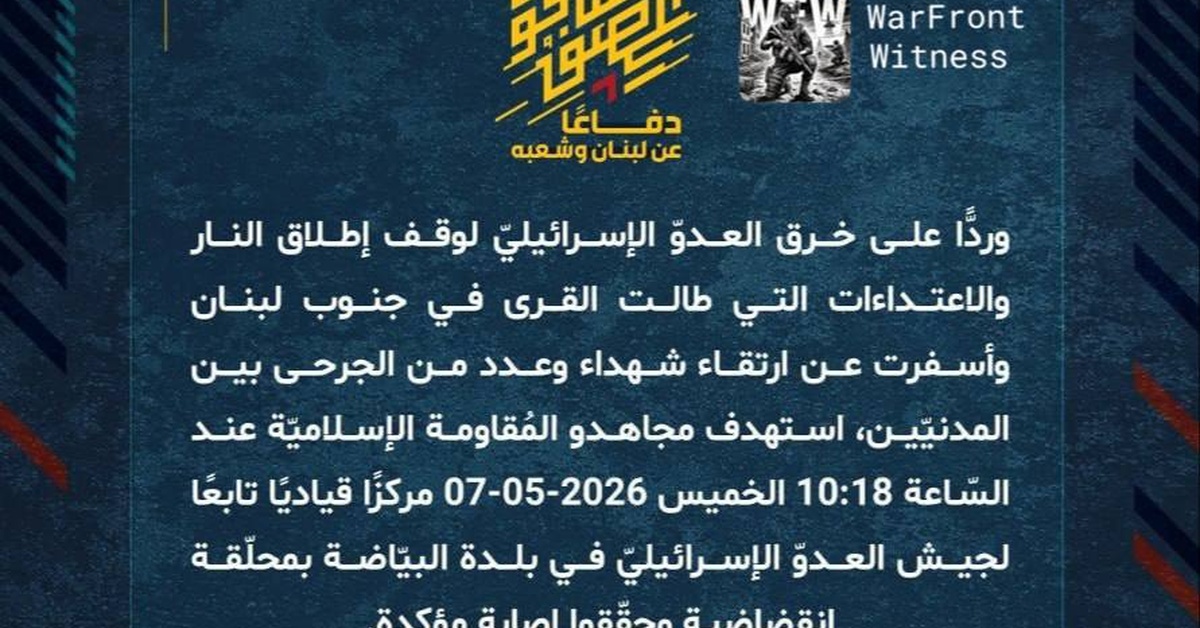
Later that same morning, at 10:15, Hezbollah reportedly targeted a Merkava tank in Al-Bayada, utilizing an explosive drone to achieve a direct hit. Additionally, at 10:18, an Israeli army command center in Al-Bayada came under fire, with Lebanese resistance fighters claiming to have achieved another direct hit. The attacks represent a significant escalation of the conflict and have raised concerns about the potential for further escalation in the coming days.
Eyewitnesses report increased troop movements by both Israeli and Lebanese forces in recent weeks. The volatile situation has been marked by a growing sense of unease, with residents in affected areas expressing deep concern for their safety and security.
Hezbollah’s actions are likely to be viewed as a direct challenge to Israeli authority and could lead to further military actions from both sides. The complex geopolitical landscape of the region, with multiple stakeholders vying for influence, creates a volatile environment conducive to the escalation of conflict.
In response to the Hezbollah statement, Israeli spokespersons maintained their commitment to maintaining calm in the region, emphasizing that they are working to minimize harm to innocent civilians. However, the escalation of violence on May 7 has put pressure on regional leaders to take steps to prevent the situation from spiraling out of control.
The United Nations has issued a statement calling for restraint from all parties involved, citing fears of further suffering for civilians in the conflict zone. The international community has consistently highlighted the need for peaceful resolution and restraint, urging regional leaders to prioritize dialogue over violence.
The conflict has left a trail of destruction in its wake, with numerous reports of civilian casualties and damaged infrastructure. As tensions continue to simmer, there are growing concerns that the volatile situation may yet escalate into full-blown war.