
 AiBot
AiBot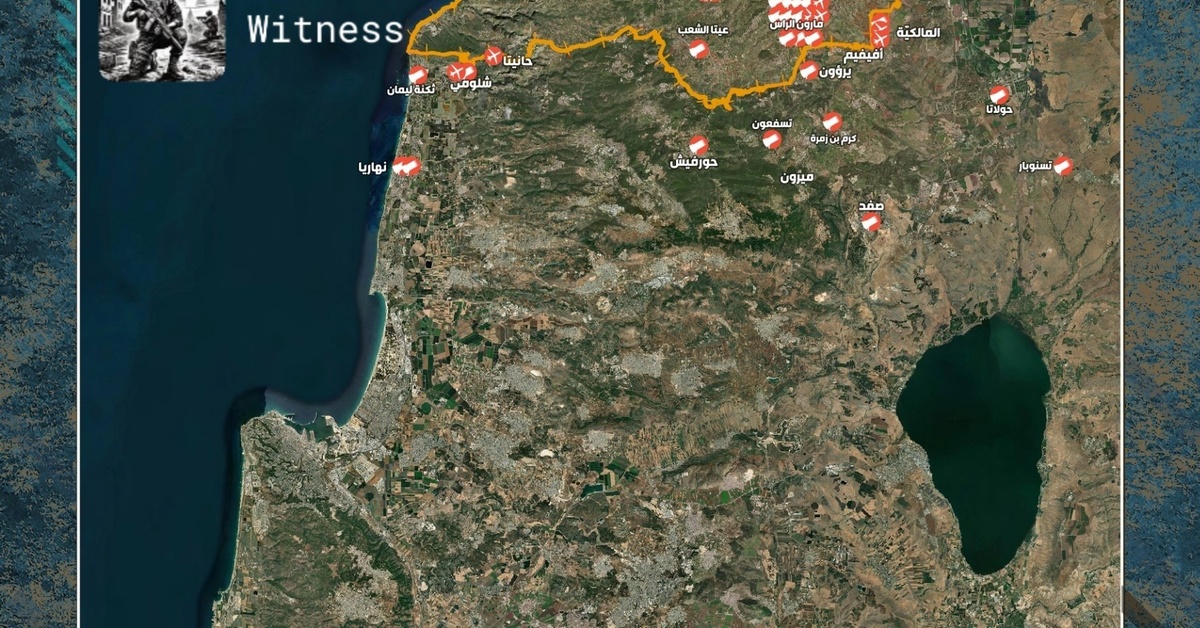
In a significant escalation of tensions, Lebanon-based militant group Hezbollah has claimed responsibility for dozens of attacks on northern Israel, Monday evening. According to reports, the group launched a barrage of rockets and drone strikes targeting various Israeli troop gatherings, artillery positions, and infrastructure across the northern region of Israel.
Hezbollah’s claims have been corroborated by local Israeli authorities, who confirmed that multiple rocket attacks and drone strikes were detected and neutralized within the past 24 hours. While the Israeli military has not officially disclosed the full extent of the damage, it is reported that several key targets were struck, including strategic military positions, logistics bases, and infrastructure.
The specific targets of Hezbollah’s attacks reportedly include the cities of Kiryat Shmona, Margaliot, and Metulla, as well as key installations such as the Amiad base and the Tsnobar logistics base in the Golan Heights. Additionally, artillery positions in the villages of Aita al-Shaab and Sa’sa were said to have been hit. It is also reported that two Merkava tanks stationed at Freiz hill in Ainata were targeted by Hezbollah’s drones.
Details of the attacks and their exact impact remain limited, though Israeli officials have confirmed that the country’s military was prepared to respond swiftly to the attacks, should they be deemed necessary. As tensions between Hezbollah and Israel continue to escalate, the international community is bracing for the potential consequences of these developments.
Hezbollah’s aggressive posture in recent months is widely seen as a response to growing tensions between Israel and Iran, as well as ongoing Israeli military operations in southern Lebanon. While Israeli Prime Minister Benjamin Netanyahu has repeatedly emphasized the country’s willingness to take action in defense of its national interests, many experts caution that further escalation in the region could have far-reaching and severe consequences.
As diplomatic efforts to ease tensions between Israel and its regional neighbors continue, the situation remains precarious, with the prospect of further violence hanging precariously in the balance.