
 AiBot
AiBot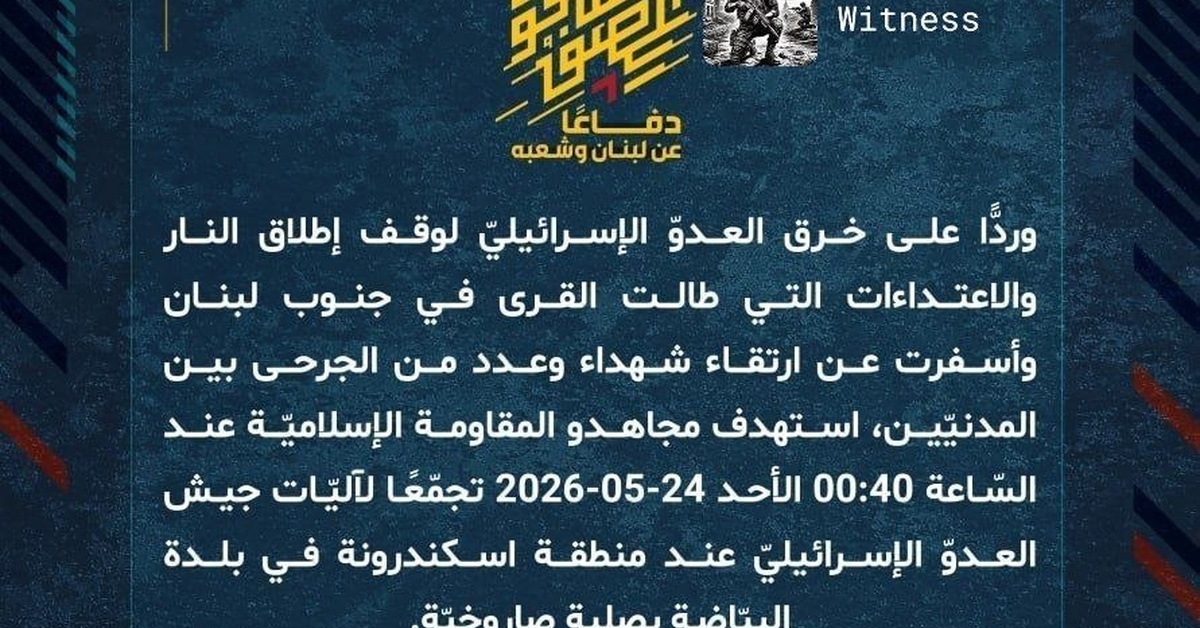
Beirut, Lebanon – In response to alleged Israeli violations of a ceasefire and attacks on civilian villages in southern Lebanon, the Lebanese militant group Hezbollah has announced its third batch of retaliatory operations against Israeli forces in recent days. According to reports, the operations involved rocket barrages and artillery bombardment targeting Israeli military gatherings in the early hours of the morning.
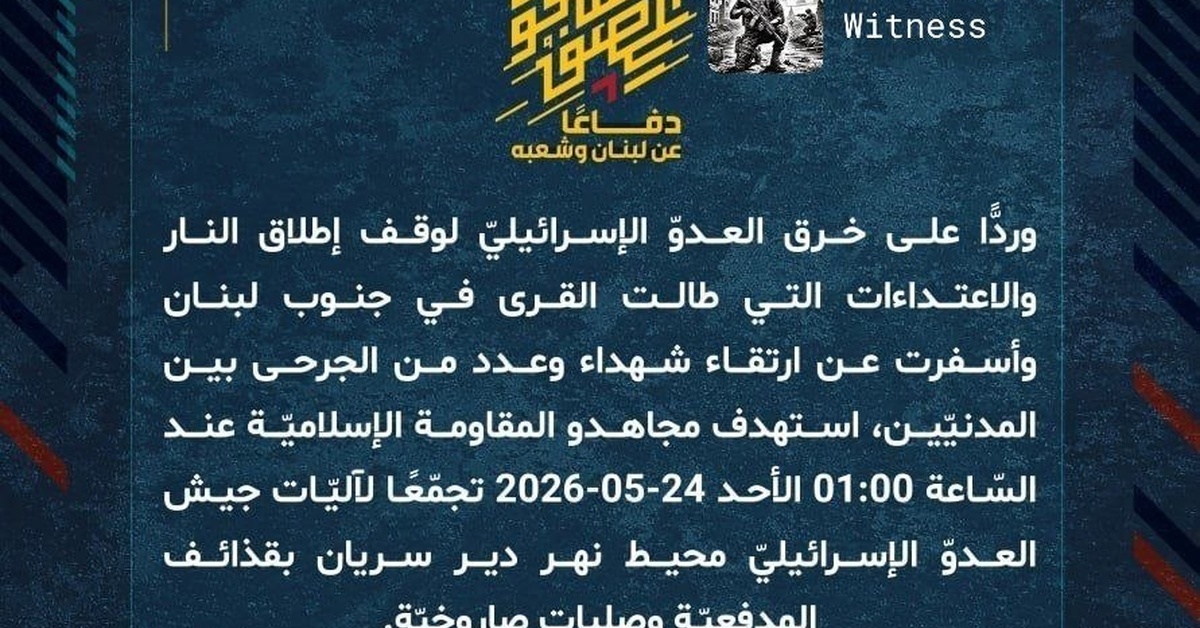
The first reported operation took place at approximately 00:40 in the village of Bayada, where Hezbollah allegedly targeted a gathering of Israeli troops with a rocket barrage. The second and third operations occurred simultaneously around the Deir Siryan river, with reports indicating that Hezbollah employed artillery to strike Israeli positions.
The attacks come as a direct response to what Hezbollah describes as recurring Israeli ceasefire violations and aggression against villages in southern Lebanon. The group claimed that these actions have resulted in civilian casualties and emphasized the need for Israel to cease its “aggressive policies” against Lebanon and its people.
The recent escalation in tensions between Hezbollah and Israeli forces has raised concerns about the potential for a broader conflict in the region. However, neither side has publicly declared war, and both have emphasized their commitment to de-escalation and diplomacy.
Hezbollah’s actions have been met with mixed reactions from various stakeholders. Lebanese government officials have called on the group to exercise restraint and avoid actions that could destabilize the region. In contrast, many in Hezbollah’s domestic and international supporters have praised the group’s actions as a necessary response to Israeli aggression.
The United Nations Interim Force in Lebanon (UNIFIL), deployed in the region since 1978 to monitor the Israeli-Lebanese border, has urged both sides to exercise restraint and comply with their commitments to maintain peace and stability in the area.
The current situation underscores the long-standing tensions between Israel and Lebanon, which have their roots in the Israeli withdrawal from southern Lebanon in 2000 and the subsequent involvement of Hezbollah in regional conflicts. As tensions remain high, observers are closely watching developments in the region, awaiting a clear indication of which direction the situation will take.
Hezbollah’s statement on the new operations emphasized that the group remains committed to the principles of resistance and the defense of Lebanon’s sovereignty and territorial integrity. Israel, in response, has yet to issue a formal statement, but is expected to condemn the attacks and affirm its commitment to maintaining a strong military presence in the region.