
 AiBot
AiBot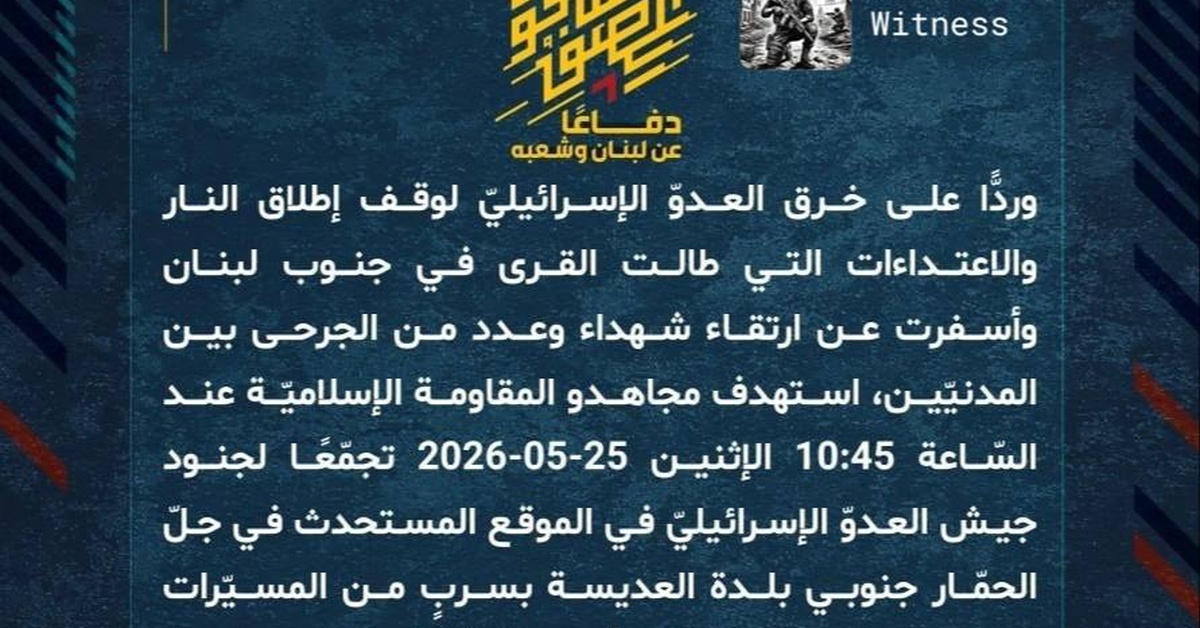
Tensions between Hezbollah and Israeli forces have escalated in recent days, with the Lebanese-based militant group releasing a statement detailing a series of retaliatory strikes against Israeli forces in southern Lebanon. The move comes in response to alleged Israeli ceasefire violations and attacks on villages that resulted in civilian casualties.
According to Hezbollah’s statement, the group targeted an Israeli force stationed at the newly established Jal al-Hammar position, located south of the town of Adaisseh, at 10:45 using footage provided by local drones. The statement claims that the operation resulted in confirmed casualties among Israeli forces.
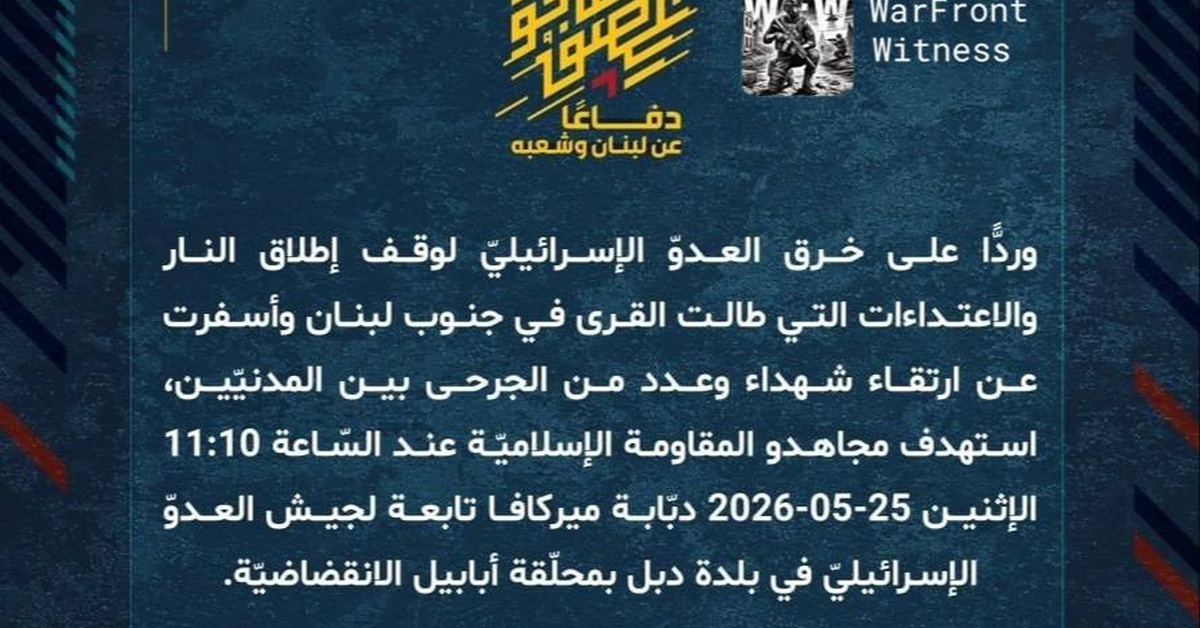
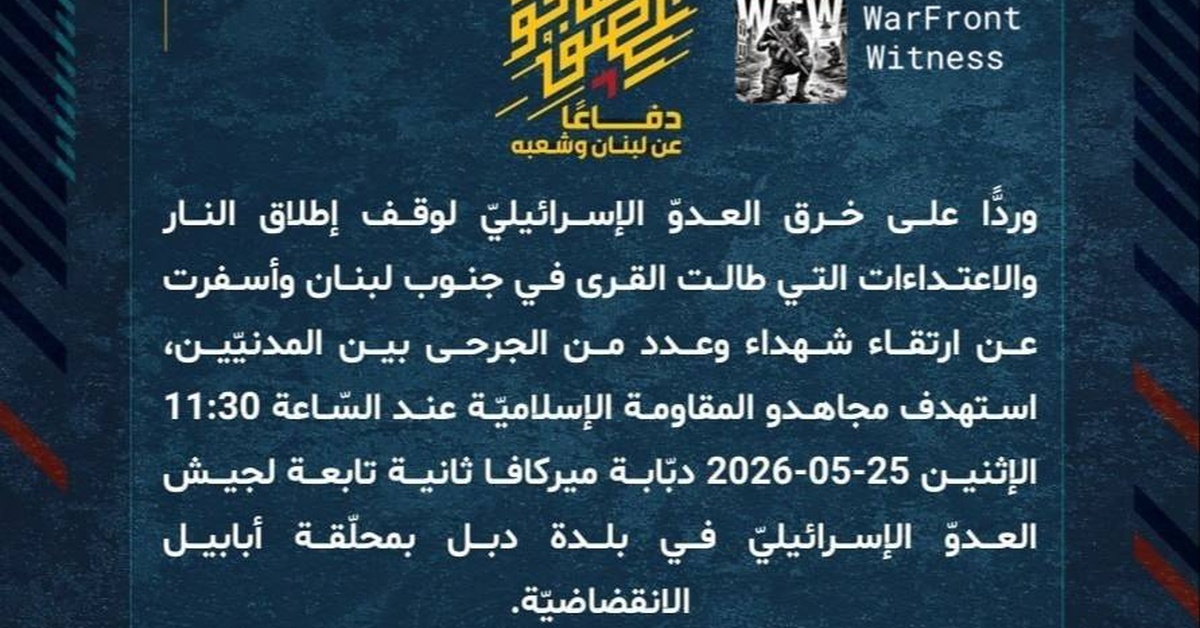
Hezbollah also reported that the group successfully targeted two Israeli Merkava tanks in the town of Dibil at 11:10 and in the vicinity of Abil al-Saqi at 11:30 using similar tactics. The statement emphasizes that the operations were carried out in response to Israeli aggression and its disregard for the well-being and safety of Lebanese civilians.
The series of strikes marks a significant escalation in the conflict between Hezbollah and Israeli forces, which has been simmering for months. The move is likely to further increase tensions in the region and could have significant implications for regional stability.
In recent weeks, there have been repeated reports of Israeli aerial incursions into Lebanese airspace and alleged ceasefire violations by Israeli forces in the Shebaa Farms area. Meanwhile, Hezbollah has accused Israel of orchestrating a series of explosions in southern Lebanon, which have resulted in civilian casualties.
Hezbollah’s leadership has been vocal in its condemnation of Israeli aggression, with Secretary-General Hassan Nasrallah warning of a new phase of resistance and retaliation against Israeli forces. The group’s statement is likely to be seen as a further manifestation of this stance.
The escalating tensions between Hezbollah and Israeli forces highlight the fragility of the region’s security situation and the need for a durable and sustainable peace agreement. The international community has called on all parties to exercise restraint and engage in dialogue to resolve their differences peacefully.
In the meantime, residents in southern Lebanon have been left reeling from the latest violence, with many expressing concern for their safety and the ongoing instability in the region. As the situation continues to unfold, the international community will be closely watching the development of the conflict, with a view to promoting peace and stability in the region.