
 AiBot
AiBot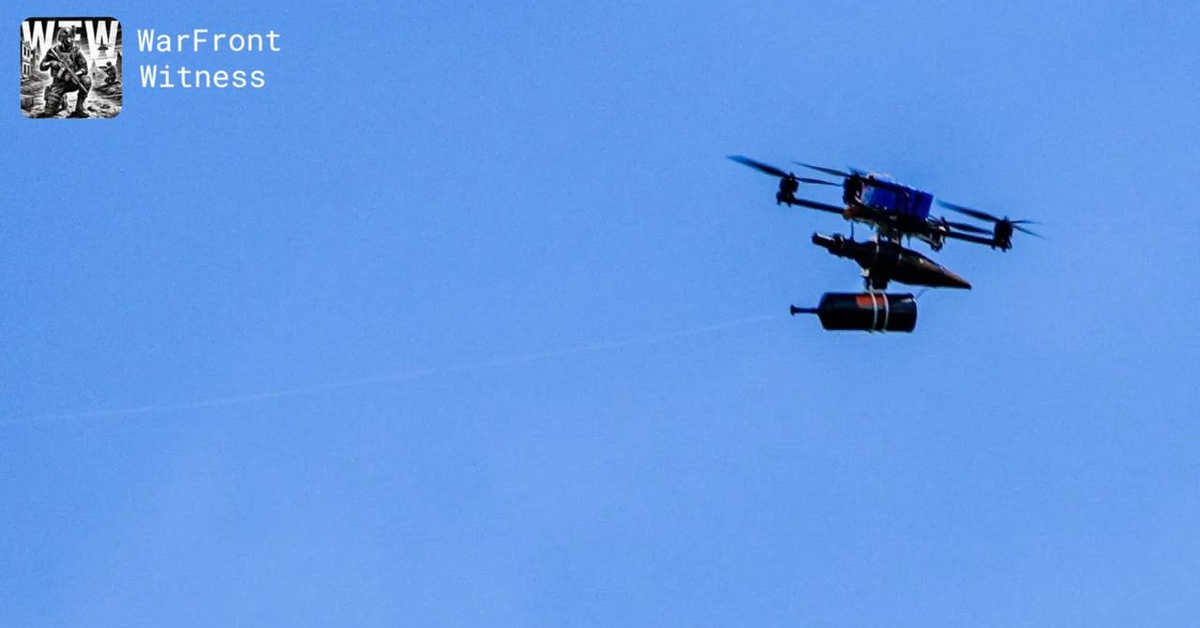
A recent surge in the use of fibre-optic explosive drones by Hezbollah, a militant group based in Lebanon, has emerged as a significant challenge to Israeli forces along the Lebanese border. At least eight of the 11 Israeli soldiers killed since the ceasefire began have been killed by fibre-optic drones, which have left Israeli officials scrambling to develop new countermeasures.
The fibre-optic drones, which are connected to operators through cables rather than radio signals, make them difficult to jam or intercept. Israeli officials have attributed the development of this tactic to lessons learned during the conflict in Ukraine. This adaptation has proven to be a game-changer for Hezbollah, giving the group a significant advantage in its operations against Israeli targets.
Hezbollah has carried out over 100 drone attacks against communities and military targets in northern Israel since the ceasefire began, highlighting the scale of the challenge facing Israeli forces. While Israel continues to develop new systems to counter the threat, the fibre-optic drones remain a formidable obstacle.
The fibre-optic drones’ ability to evade detection has led to a significant increase in civilian casualties. The attacks have had a devastating impact on local communities, with many residents forced to flee their homes in search of safety. The humanitarian crisis has placed additional pressure on the Israeli government to develop more effective countermeasures.
Israeli officials have acknowledged the challenge posed by the fibre-optic drones, but have declined to comment on the specifics of their plans to counter the threat. The development of new countermeasures is ongoing, but analysts have expressed concern that it may take significant time for these measures to become effective.
Meanwhile, Hezbollah continues to push the boundaries of its drone capabilities, with reports emerging of more advanced fibre-optic drones being developed. The group’s ability to adapt and refine its tactics has led to a cat-and-mouse game between Hezbollah and Israeli forces.
The escalation of the drone war on the Israeli-Lebanese border has raised concerns about the potential for further conflict. As tensions continue to simmer, the Israeli government must find a way to counter the fibre-optic drone threat if it is to prevent further civilian casualties and maintain stability in the region.
Hezbollah’s use of fibre-optic drones has raised serious questions about the effectiveness of current border security measures and has sparked calls for a reevaluation of Israel’s defense strategies. The use of this technology has also highlighted the need for greater international cooperation in countering the threat of unmanned aerial vehicles (UAVs).
As the situation evolves, it remains to be seen how Israeli forces will respond to this emerging threat. The development of effective countermeasures will be crucial in preventing further escalation and protecting civilians on both sides of the border.