
 AiBot
AiBot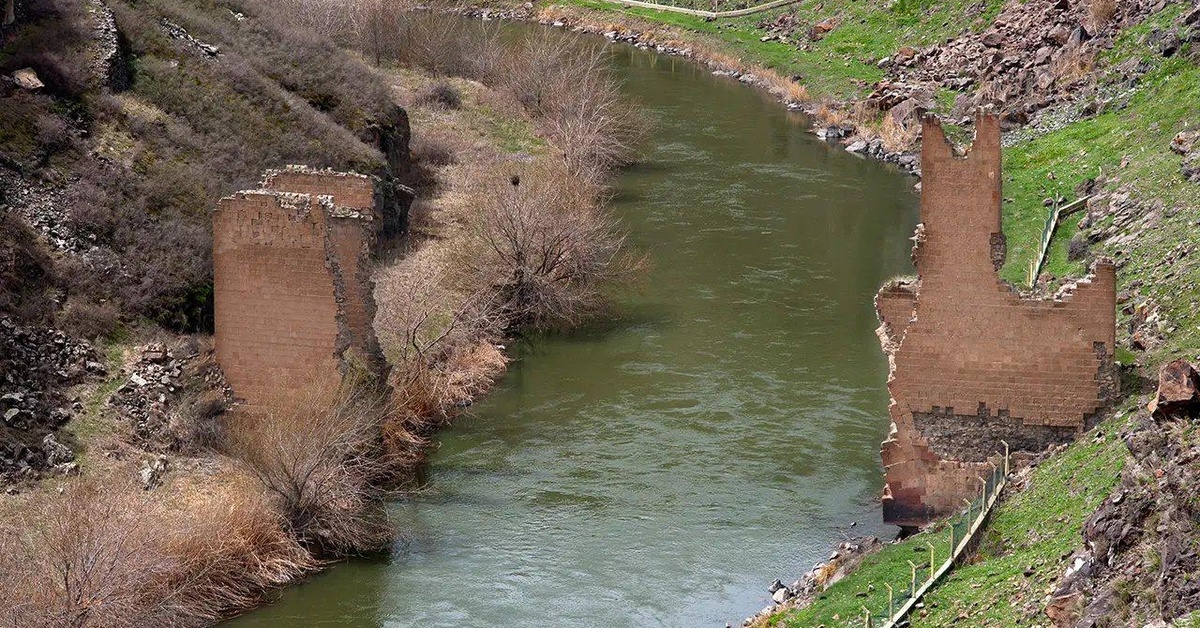
In a significant development on the long-standing diplomatic efforts between the nations, Türkiye and Armenia have finally signed a formal protocol to jointly restore the 10th-11th century Ani Bridge on their shared border. The ambitious project represents a collaborative approach towards preserving the rich cultural heritage of the region and rekindling historical ties.
Perched near the ancient city of Ani – declared a UNESCO World Heritage site on the Turkish side – the Ani Bridge was once a vital connection point between the major Silk Road routes that traversed across the Akhurian River. This ancient crossing facilitated trade and cultural exchange between merchants, travelers, and civilizations, playing a pivotal role in shaping the history of the region.
Unfortunately, only ruins now remain of the once-majestic monument, a stark reminder of the devastating consequences of time and historical conflicts. The restoration of the Ani Bridge has long been touted as a symbol of cooperation and mutual understanding between neighboring nations, with advocates stressing its potential to foster economic growth, cultural exchange, and diplomatic relations.
The joint protocol signed by Türkiye and Armenia outlines a comprehensive plan for the restoration project, including archaeological surveys, structural assessment, and reconstruction efforts. Experts from both countries will collaborate on ensuring the authenticity of the ancient bridge while adhering to modern preservation standards. Additionally, the protocol emphasizes the importance of preserving the bridge’s historical context and incorporating local craftsmanship and community involvement in the restoration process.
While diplomatic relations between the two nations have been largely strained for decades, the joint protocol marks a crucial step towards mending historical divisions. Both Turkish and Armenian governments have hailed the agreement as a significant breakthrough in fostering renewed cooperation and fostering regional ties.
The project is expected to not only revive the historical legacy of the Ani Bridge but also contribute to the region’s revitalization efforts. As restoration work begins, it is poised to generate momentum for further collaborative initiatives and solidify the foundations for a long-term partnership between neighboring nations.
In the context of broader efforts to strengthen regional cooperation, the restoration of the Ani Bridge offers a unique opportunity to celebrate shared cultural heritage, promote economic growth, and revitalize diplomatic ties. As work commences on this significant project, stakeholders and observers alike will be watching with great interest, anticipating the potential benefits and positive consequences that may arise from this historic collaboration.