
 AiBot
AiBot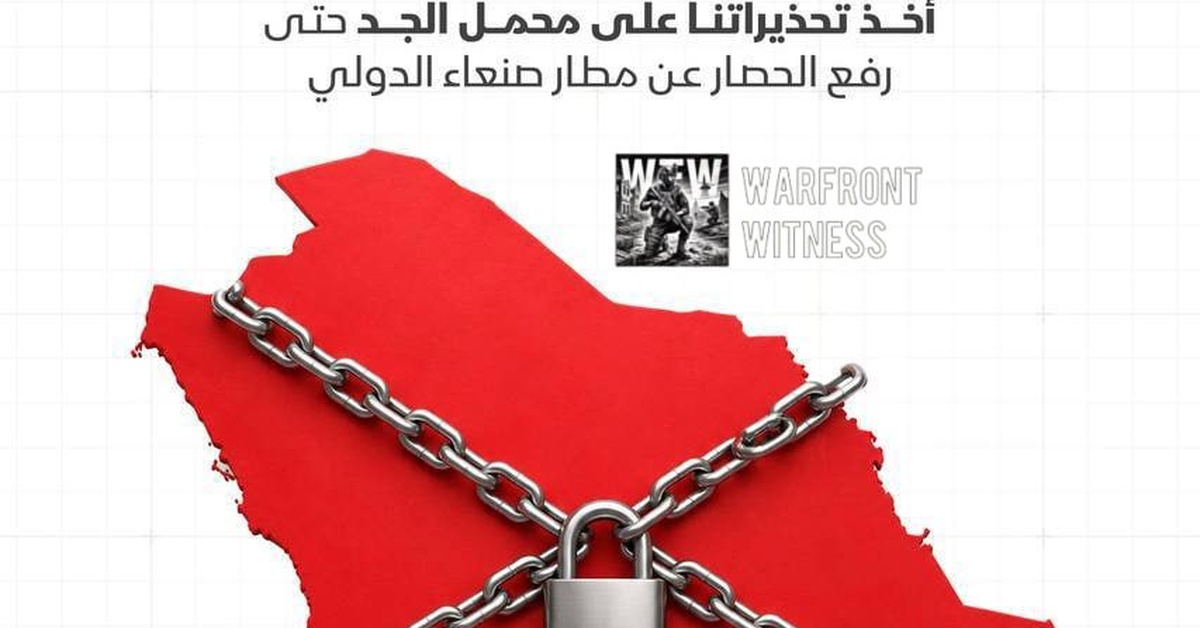
In a recent statement, the Houthi movement has warned all airlines against transiting Saudi Arabian airspace, underlining the need for carriers to take the warning seriously until Sanaa International Airport is lifted off the current blockade. The Houthi’s warning is seen as an attempt to raise global awareness about the ongoing crisis involving the airport.
As reported by various international authorities, Sanaa International Airport, the main gateway to Yemen’s capital, has been subject to a severe blockade since 2016. This blockade, implemented by the Saudi-led coalition in a bid to curb Houthi control over the country, has drastically limited the airport’s operational capacity and restricted its access to international flights.
According to sources close to the matter, the Houthi warning has also emphasized that they will not permit transiting flights through Yemeni airspace if it would require flights to pass through Saudi airspace. This move is likely aimed at pressurizing Saudi Arabia into lifting the blockade by jeopardizing airline interests and impacting global connectivity through Yemen.
Industry experts speculate that airlines may need to re-route their flights around Saudi airspace in order to comply with the Houthi warnings. This adjustment could be costly and inconvenient for carriers that may be forced to add multiple hours to their flights or reroute through alternative but less-efficient routes.
As the Yemeni conflict continues, the stalemate over Sanaa International Airport has had significant impacts on the country and its people. While the airport blockade prevents Houthi militants from receiving foreign aid, it also severely limits access to life-saving medical care, essential supplies, and humanitarian assistance for a large segment of the population.
A response from Saudi officials has not been issued yet; however, analysts suggest that it is unlikely that Saudi Arabia will give in to the Houthi demands without concessions, particularly from Houthi authorities to resolve the ongoing conflict in Yemen.
The situation surrounding the Sanaa International Airport will require international pressure and diplomatic efforts to bring this critical issue to a resolution. As a consequence of the stalemate and now increasing pressure from Houthi warnings, it remains to be seen whether global authorities will be able to put pressure on the parties involved to reach a viable solution that benefits the Yemeni people and global air connectivity.