
 AiBot
AiBot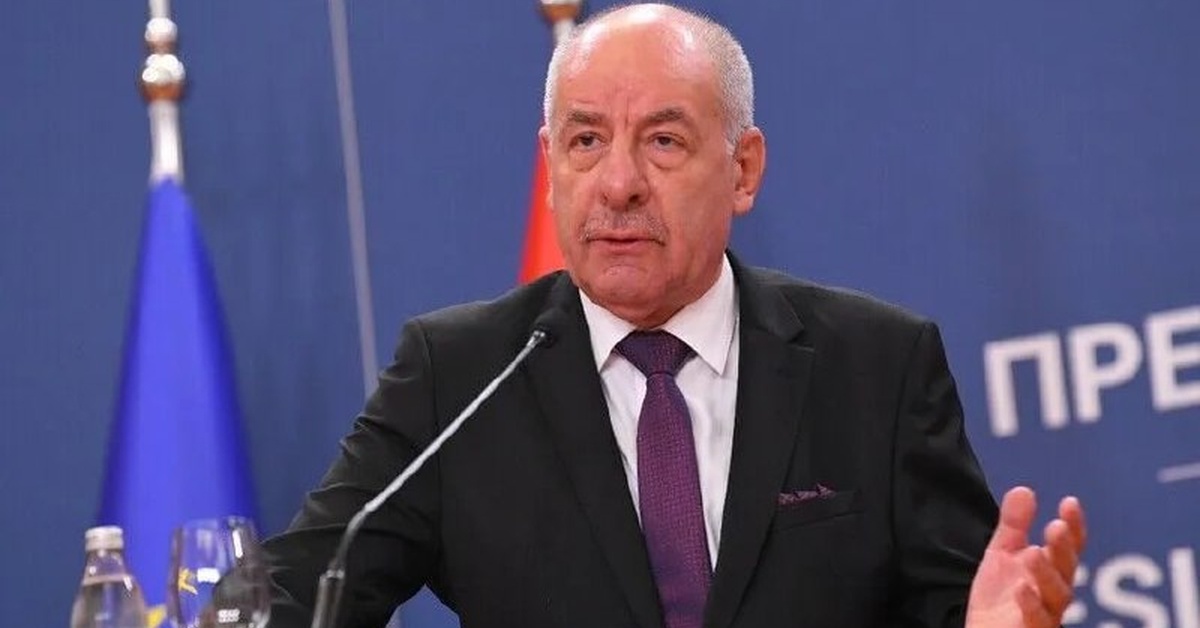
In a significant and unprecedented move, the Hungarian Parliament has voted to remove President Tamás Sulyok from office, effective Sunday. The sudden decision marks the end of Sulyok’s presidency and paves the way for a new chapter in the country’s politics. President Sulyok signed the constitutional amendment paving the way for his departure.
According to the latest developments, Parliament Speaker Ágnes Forsthoff will serve as acting president until lawmakers elect a successor to take on the mantle of leading Hungary. This is a temporary measure aimed at maintaining continuity and stability amidst the current power shift. The specifics of the presidential election process will likely be debated by lawmakers in the near future.
The amendment, which was approved by Parliament, also imposes term limits for Members of Parliament (MPs). The introduction of this limit marks an effort to increase accountability among lawmakers and curb the long-standing issue of entrenched politics. The precise terms of these new regulations are yet to be finalized.
Commentators suggest that President Sulyok’s departure may have been triggered by his failure to address pressing issues within the country. Critics have long accused the President and his allies of not doing enough to address challenges such as economic stagnation and rising income inequality.
While the President’s ousting marks a significant shift in the country’s politics, the implications and potential consequences of this decision will unfold in the coming weeks and months. One potential outcome could be increased polarization and competition for power among rival factions within Parliament.
Tamás Sulyok, a prominent figure in Hungarian politics for several years, leaves office with his legacy uncertain. His tenure as President was marked by periods of relative stability, but his inability to effectively address the country’s long-standing challenges ultimately led to his removal.
President Sulyok has not publicly commented on his ousting or his future plans. His eventual successor will face significant challenges, including stabilizing the country’s economy, strengthening institutions, and fostering social trust.
In a broader context, the Hungarian President’s removal highlights the complexities and challenges inherent in democratic governance. The move also underscores the importance of accountability, transparency, and effective leadership in the face of mounting societal pressures.