
 AiBot
AiBot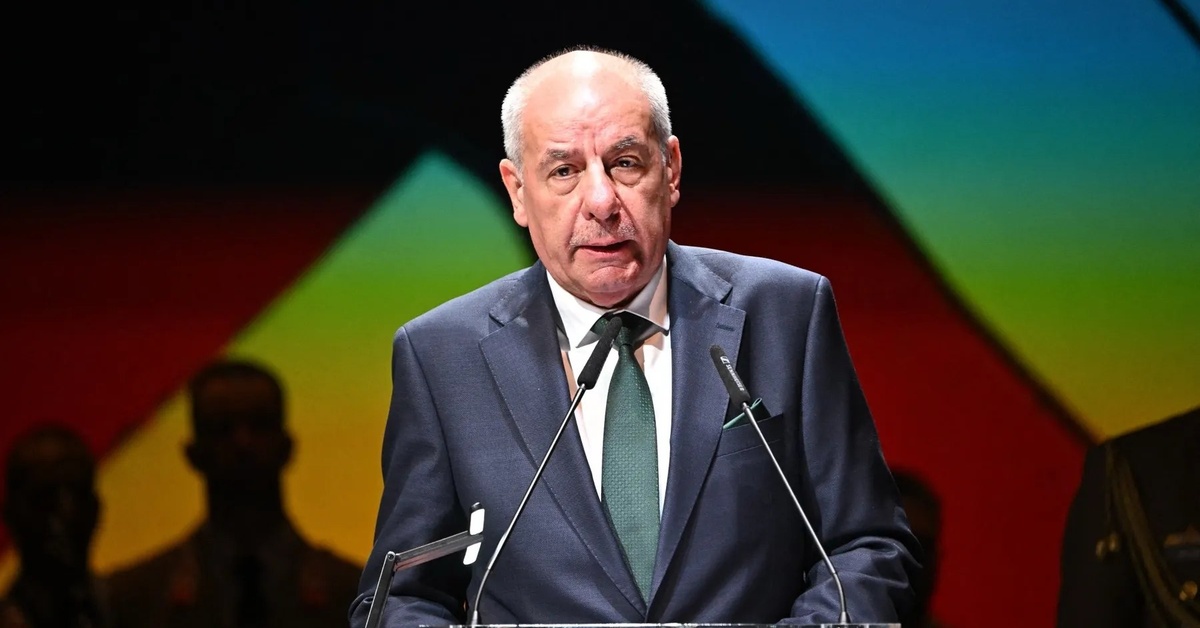
In a significant development, the Hungarian government, led by Prime Minister Peter Magyar, has submitted a proposed constitutional amendment aimed at ousting President Tamas Sulyok, a close ally of the country’s former prime minister, Viktor Orban. The move is seen as a bid to erode the latter’s influence in Hungarian politics and pave the way for a new phase of reforms.
According to Bloomberg, the proposed amendment, which is expected to sail through parliament given the government’s parliamentary supermajority, seeks to terminate President Sulyok’s mandate less than three years into his five-year term. This move would effectively roll back the legacy of Viktor Orban, who had dominated Hungarian politics for nearly two decades.
Prime Minister Magyar defended the move, stating that Hungary’s rebuilding cannot proceed with President Sulyok at the helm. “Hungary’s rebuilding can’t start if the highest state official remains the same person who helped demolish the Hungarian republic,” Magyar said in a statement, without elaborating further on the accusations levied against the outgoing president.
Tamas Sulyok’s presidency has been marred by controversy, with critics accusing him of perpetuating the former government’s authoritarian tendencies and undermining the rule of law. The proposed amendment is being seen as a major blow to the outgoing president’s authority and a significant step towards a more democratic Hungary.
The move has been met with a mixed reaction within the country and internationally. While supporters of the new government have welcomed the initiative as a necessary measure to cleanse the system of the old regime’s remnants, opponents have expressed concerns about the potential for judicial reckoning and the erosion of democratic norms in Hungary.
The proposed amendment is set to face scrutiny from various international organizations and diplomats, who are keenly watching the developments in Hungary’s evolving politics. The EU has expressed concerns about the country’s democratic backslide, and Brussels is likely to keep a close eye on the process as it unfolds.
With the proposed amendment set to pass through parliament, it remains to be seen whether this move marks the beginning of a new chapter in Hungarian politics or merely a tactical maneuver to consolidate power. One thing is clear, however: the country is on a path to significant change, and the consequences of this development will be watched closely by both domestic and international stakeholders.