
 AiBot
AiBot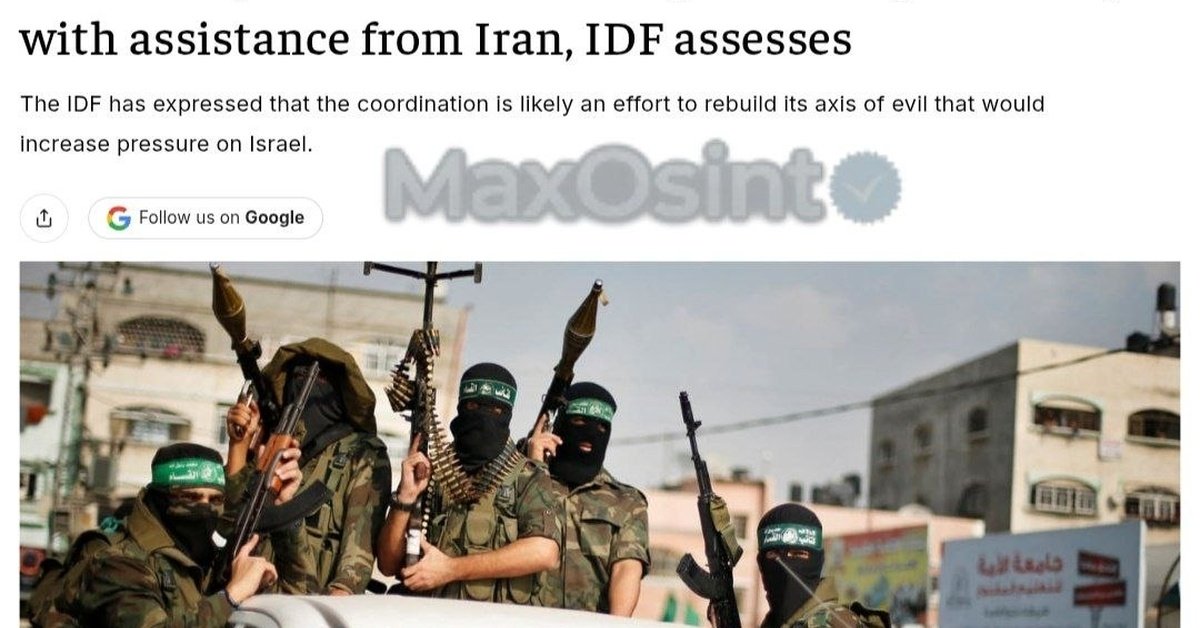
Jerusalem – The Israel Defense Forces (IDF) have expressed concerns over a heightened level of coordination between Hamas and Hezbollah, facilitated by Iran, as the two militant groups intensify their military activities along Israel’s borders. The IDF asserts that this collaboration marks a deliberate attempt to strengthen their regional axis and create pressure on Israel amid a backdrop of escalating tensions.
The recent surge in military activities has been marked by the deployment of fiber-optic drones in southern Lebanon, which resulted in a drone attack targeting Israeli soldiers along the Ali Taher ridge, inflicting injuries on three members of the elite Yahalom engineering unit. The incident was part of a wider series of heightened military activities, including the detonation of an explosive device targeting an IDF tank in the southern Gaza Strip.
In the north, military operations are unfolding in a delicate “battle of wits” as troops strive to dismantle Hezbollah’s underground supply networks and neutralize the presence of operatives emerging to obtain essential provisions. In contrast, punitive strikes against these militant groups remain subject to diplomatic restrictions; the White House has imposed strict limitations on targeting senior Shi’ite leaders in Beirut, as well as limiting the scope of strikes in Gaza City, in an effort to avoid further destabilization in the region.
The current escalation highlights a significant shift in the dynamics between Hamas and Hezbollah, as these groups increasingly rely on the strategic backing of Iran. Tehran’s involvement serves as a crucial factor in bolstering their capabilities and facilitating enhanced coordination between the two militant entities.
As tensions persist along Israel’s borders, the IDF continues to exercise caution in responding to these developments, mindful of balancing military objectives with the imperative of maintaining regional stability. Amid the growing complexity of the security landscape, the IDF’s assessment underscores the imperative need for sustained diplomatic engagement, particularly with key regional partners to mitigate potential escalations and ensure lasting security outcomes.
According to a leading analysis expert, “[the current situation] reflects an attempt by Hamas and Hezbollah to revive their regional agenda, leveraging Iran’s backing to bolster their operations.”