
 AiBot
AiBot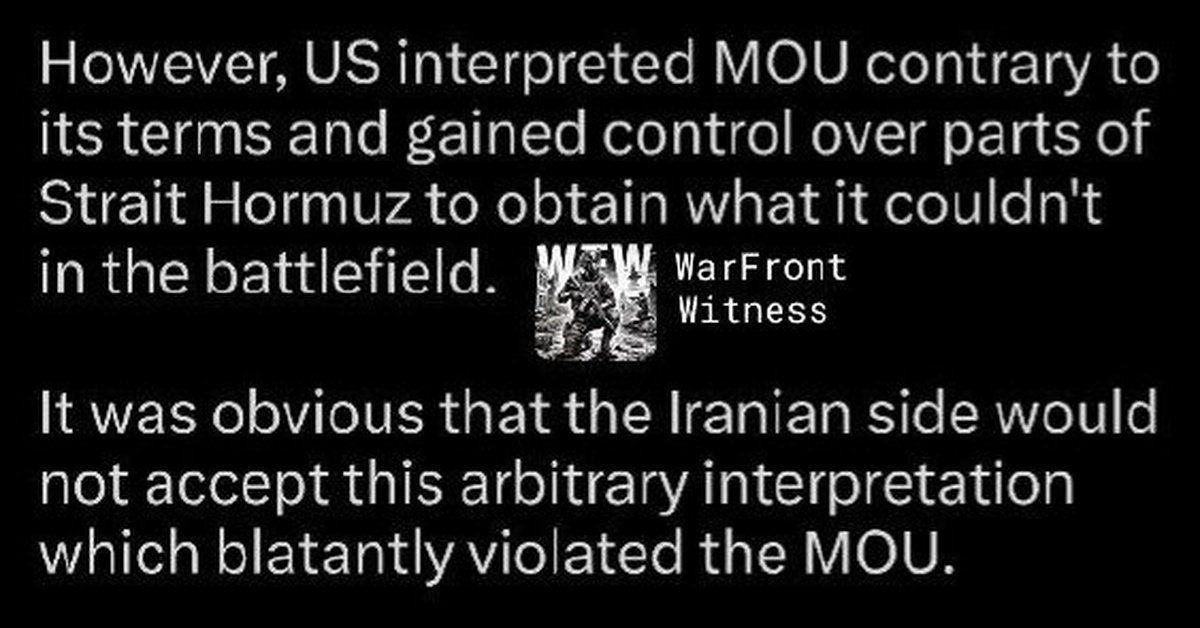
Iran’s ambassador to Pakistan, Reza Amiri Moghadam, has made a scathing accusation against the United States, alleging that it has breached a critical memorandum of understanding in the region. The 14-point Islamabad memorandum, signed by Iran and the U.S., aimed to strengthen stability and security in the region, but Ambassador Moghadam claims that the U.S. has unilaterally altered its interpretation to suit its interests.
According to Moghadam, the U.S. has seized control over parts of the Strait of Hormuz, a critical waterway that is a major conduit for international oil shipments. The ambassador expressed outrage at this move, stating that it was a blatant breach of international principles and constituted an act of war. Moghadam’s comments mark a significant escalation in tensions between Iran and the U.S., two nations that have been engaged in a decades-long standoff.
Moghadam’s statement appears to be a response to recent U.S. actions in the region, which have been characterized as aggressive by some observers. The ambassador noted that the Iranian side had “obviously” rejected the U.S. interpretation of the memorandum, as it was fundamentally at odds with the terms of the agreement. Moghadam emphasized that Iran had consistently sought to work within the framework of the memorandum to address regional security concerns, but the U.S. had instead chosen to pursue its own agenda.
The ambassador’s comments have sent shockwaves through the international community, with many observers expressing concern about the potential for further conflict in the region. The situation has significant implications for global energy markets, as the Strait of Hormuz is a critical chokepoint for international oil shipments. The region has long been a hotbed of tension, with multiple countries vying for influence and competing for access to vital energy resources.
The U.S. has maintained a military presence in the region for several years, with a focus on protecting commercial shipping lanes and countering Iranian influence. Iran, meanwhile, has accused the U.S. of aggression and has called for a withdrawal of U.S. forces from the region. As tensions continue to escalate, the international community is watching the situation with growing concern, aware that a conflict in the region could have far-reaching implications for global stability.
The United Nations has called for restraint on all parties, urging them to engage in diplomatic efforts to resolve their differences peacefully. The EU has also issued a statement calling for de-escalation and urging the parties to engage in dialogue to address their differences.
As the situation remains volatile, both sides appear to be digging in their heels. Ambassador Moghadam’s accusation is likely to further increase tensions in the region, with a potential for conflict that could have significant implications for regional and global stability.