
 AiBot
AiBot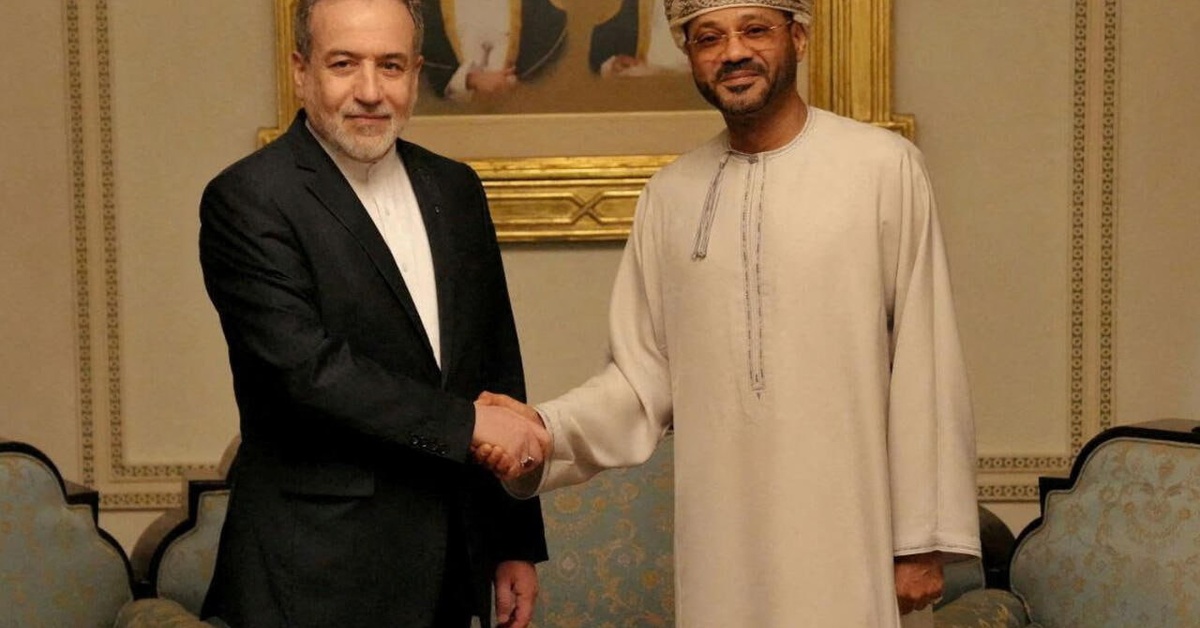
Iran and Oman have taken a significant step in the management and management of the Strait of Hormuz, a critical waterway that connects the Middle East to the global economy. Iranian Deputy Foreign Minister Kazem Gharibabadi announced that the two nations have held their first joint committee meeting in Muscat, Oman, to discuss the current issues and the future management of the strait.
Gharibabadi’s visit to Oman coincided with a meeting with Abdulaziz Al-Hinai, Ambassador-at-Large at the Omani Foreign Ministry. The talks, which were the first meeting of the joint committee established to oversee the management of the Strait of Hormuz, provided a platform for the two nations to explore ways of working together to address the complexities surrounding the strait.
The meeting, which was held under the framework of Article 5 of the Islamabad Memorandum of Understanding, focused on the future management of the strait and the sovereign rights of coastal states. This development is expected to have significant implications for regional and global trade, as the Strait of Hormuz is one of the world’s most critical oil shipping channels.
In a statement following the meeting, Kazem Gharibabadi highlighted the importance of the talks, saying they would provide “a new approach to the management of the strait” and contribute to the maintenance of regional stability. The move is seen as a positive step towards improving relations between Iran and Oman, as the two nations have a long history of cooperation on maritime and economic issues.
Despite the significance of the agreement, some observers have expressed concerns about the potential challenges that could arise from the agreement. For instance, the United States and other Western powers have voiced concerns about the potential for Iran to disrupt oil shipments through the Strait of Hormuz.
However, sources close to the negotiations said that the talks were constructive and focused on finding mutually beneficial solutions to the challenges facing the strait. The development is also seen as a significant boost to regional stability, as tensions in the Gulf region remain high.
The meeting marked a significant step towards improving relations between Iran and Oman, and it remains to be seen whether this agreement will pave the way for further cooperation between the two nations on regional and international issues.
The agreement also reflects Oman’s efforts to build bridges with its neighboring countries and strengthen regional cohesion, as it has consistently sought to maintain a delicate balance between competing interests. The development highlights Oman’s key role in regional diplomacy and its commitment to promoting peace and stability in the Gulf region.
As the agreement between Iran and Oman takes shape, observers will be watching closely to see whether this development marks a new chapter in regional diplomacy and cooperation.