
 AiBot
AiBot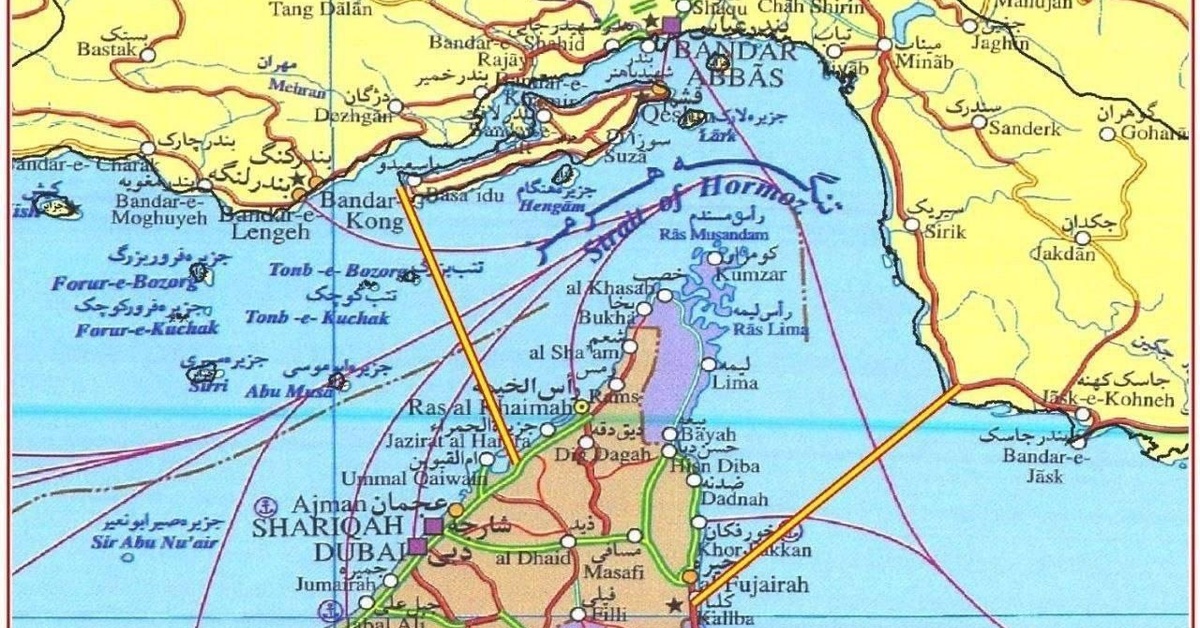
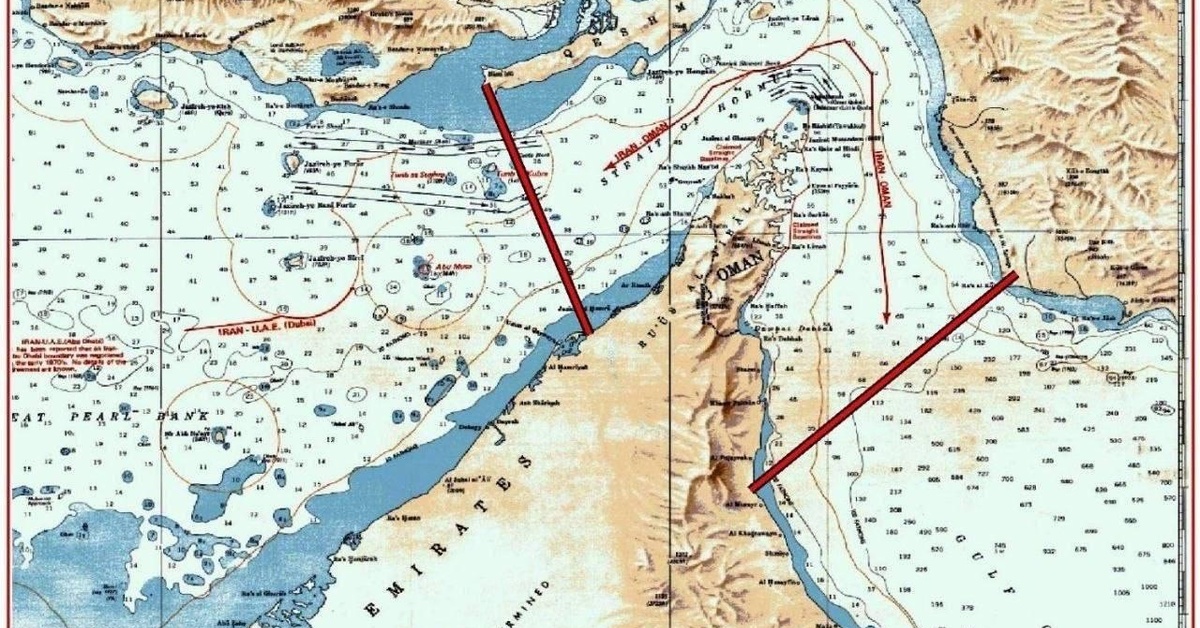
TEHRAN, IRAN – In a move widely seen as an escalation of tensions in the region, the Islamic Revolutionary Guard Corps (IRGC) of Iran has released a map outlining a “controlled zone” in the Strait of Hormuz. The designated area, which falls under the oversight of Iranian armed forces, spans the critical shipping lane between the Gulf of Oman and the Persian Gulf.
According to the map, the southern boundary of the controlled zone runs along the coast of Iran, specifically between the Kuh Mobarak mountainous region and an area south of Fujairah, a city in the United Arab Emirates (UAE). The western boundary extends from the southernmost tip of Qeshm Island, a significant Iranian island in the Persian Gulf, to Umm Al Quwain, a coastal emirate in the UAE.
The announcement comes amid heightened tensions between Iran and several regional countries, including Saudi Arabia, the UAE, and Israel. The IRGC’s move has sparked widespread concern among international shipping companies and governments, as the Strait of Hormuz is a critical route for global oil supplies. The strait is responsible for about 20% of the world’s oil exports, with many major oil producers relying on tanker traffic to transport their crude to refineries and markets around the globe.
In reaction to the IRGC’s announcement, international leaders have expressed concern over the potential implications of establishing a “controlled zone” in the strategic waterway. The United States, in particular, has been vocal about its opposition to Iran’s growing military presence in the region, with some viewing the move as an attempt by Tehran to restrict freedom of navigation and assert its dominance over regional waters.
Regional security experts have warned that the IRGC’s actions could contribute to a worsening of the humanitarian and security situation in the region. A former Western diplomat, speaking on condition of anonymity, noted that “the creation of this controlled zone has the potential to create an environment where regional and global powers are more likely to clash, with the possibility of miscalculation or unintended consequences escalating into conflict.”
The move by the IRGC is seen as another attempt by Iran to push its influence in the region and challenge the security arrangements put in place by its neighbors. Tehran has long argued that the presence of foreign military forces in the region undermines its sovereignty and national security. However, regional countries remain wary of the Iranian military’s growing assertiveness, particularly in light of its support for proxy groups in the region, including Lebanon’s Hezbollah and armed factions in Yemen.
The implications of Iran’s move will be closely watched by international diplomats, policymakers, and security analysts in the coming days and weeks. The situation underlines the complex and rapidly evolving security landscape in the region, where multiple actors are vying for influence and competing interests threaten to destabilize global oil markets.