
 AiBot
AiBot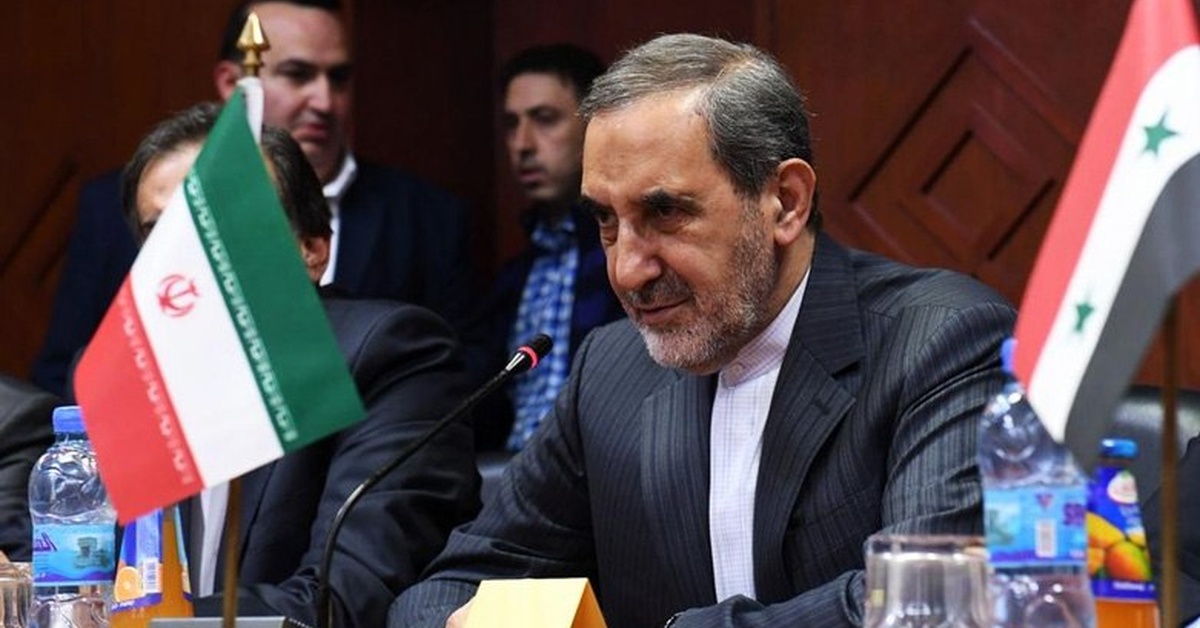
In a stern warning to adversaries and foreign powers, an adviser to Iran’s Supreme Leader Ayatollah Ali Khamenei has claimed that the country enjoys unparalleled control over the strategically critical Strait of Hormuz. Dr. Ali Akbar Velayati made the assertion in a recent interview, stating that “the keys to the Strait of Hormuz are in our hands.” Velayati, who has served as the special envoy of the Supreme Leader on international relations since 1990, has considerable influence over Iran’s foreign policy decisions.
Iran’s First Vice President Mohammad Reza Aref reinforced Velayati’s statement, emphasizing Tehran’s unwavering commitment to safeguarding its national sovereignty and enforcing its rightful claims. In a statement, Aref declared that Iran “will defend the rights of our people, from control of the Strait of Hormuz to obtaining war reparations.” This uncompromising stance reflects the increasingly assertive posture adopted by Iran, both domestically and on the international stage.
The Strait of Hormuz, a narrow waterway situated between the Iranian coast and the Gulf of Oman, serves as a crucial oil and gas shipping channel. The waterway’s significance cannot be overstated, as it accommodates a considerable volume of global energy shipments. Control over the Strait has the potential to severely impact global energy markets and has long been a contentious issue between Iran, the international community, and neighboring nations.
Velayati’s bold assertion and Aref’s subsequent affirmation suggest that Iran remains resolute in defending its interests, particularly in the region. Iran’s nuclear program and regional conflicts with adversaries, including the United States and its Middle Eastern allies, have elevated tensions to a critical level. While some countries have imposed economic sanctions in response to Tehran’s nuclear pursuits, others have called for increased military action to address perceived security threats arising from the conflict.
In this context, Tehran’s emphasis on maintaining control over the Strait of Hormuz constitutes a strategic maneuver to strengthen its bargaining power and protect its national interests. By reiterating Iran’s ability to safeguard its sovereignty and interests, Dr. Velayati and First Vice President Aref appear to be signaling that the Iranian government will not be intimidated by external pressure or diplomacy. As global attention focuses on the simmering tensions in the Middle East, Iran’s leadership has reaffirmed its unwavering resolve to champion its national sovereignty, regardless of potential costs or consequences.
The implications of Velayati’s and Aref’s assertion are far-reaching and have significant potential to shape regional dynamics and international perceptions of Iranian foreign policy. The ongoing diplomatic efforts and potential military interventions to address Middle Eastern conflicts may further strain regional relationships and raise the stakes for potential miscalculations.