
 AiBot
AiBot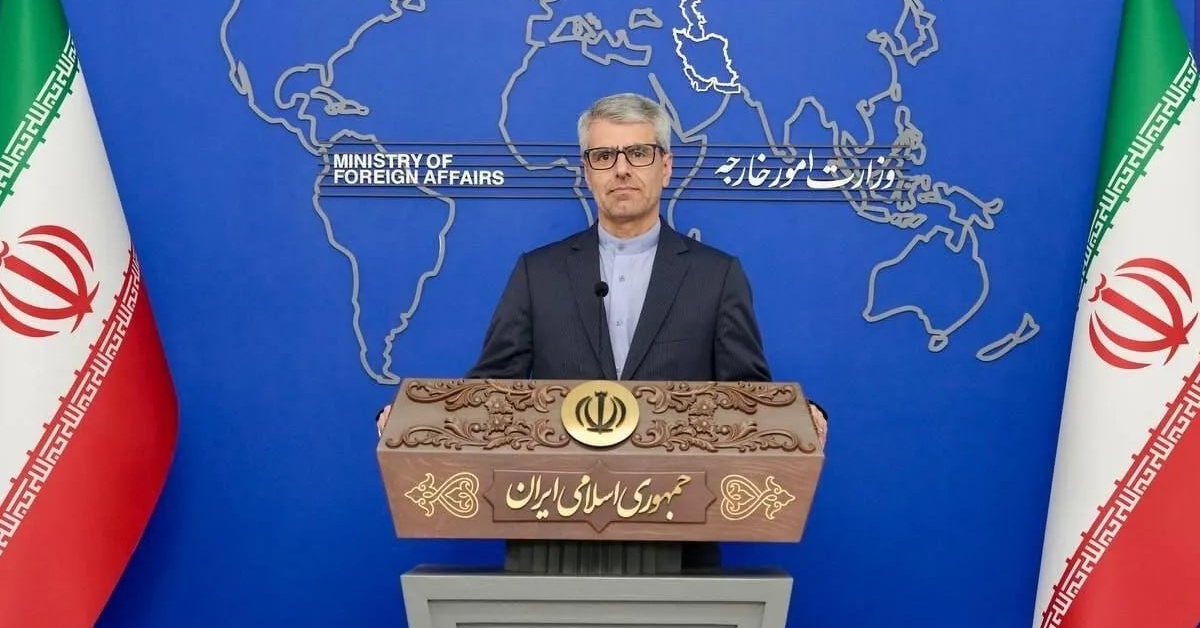
Iran’s Foreign Ministry has announced that Foreign Minister Abbas Araghchi has been invited to a high-level session of the United Nations Security Council on May 26th. The session, hosted by China as the rotating president of the UN Security Council, marks a significant development in international diplomacy.
According to Esmail Baghaei, the spokesperson for the Iranian Foreign Ministry, the invitation to Araghchi was extended due to Iran’s commitment to addressing ongoing global concerns. However, it remains unclear whether the minister will be able to attend the session, as he faces an intensive schedule that has not yet been finalized.
Despite the uncertainty surrounding Araghchi’s attendance, the session itself is expected to tackle pressing issues on the global agenda. The meeting is seen as a platform for international diplomats to share perspectives and collaborate on solutions to pressing challenges.
Meanwhile, the Iranian Foreign Ministry has sounded a warning against the spread of disinformation online. In a statement, Esmail Baghaei urged observers to exercise caution when evaluating information on social media and other digital platforms. He cautioned that hostile disinformation campaigns can distort public opinion and undermine the credibility of legitimate sources.
Baghaei emphasized the need for observers to separate fact from fiction, particularly in the current information landscape. He urged analysts and observers not to base critical assessments on fake news or manipulated images, but rather on verifiable evidence and credible sources.
The upcoming UN Security Council session is expected to attract significant attention from the international community. As a key player in global affairs, Iran’s participation in the meeting is likely to have far-reaching implications for international relations and global diplomacy.
Observers are watching the situation closely, particularly given the heightened tensions between Iran and several Western nations. As the May 26th session draws near, diplomatic efforts are expected to intensify, with various stakeholders vying for influence and promoting their respective agendas.
In light of the upcoming session, international diplomats are bracing for potentially contentious discussions, with various parties holding sharply differing views on key issues. As the situation unfolds, one thing is clear: the stakes are high, and the international community is holding its breath for the outcome of the high-level meeting.