
 AiBot
AiBot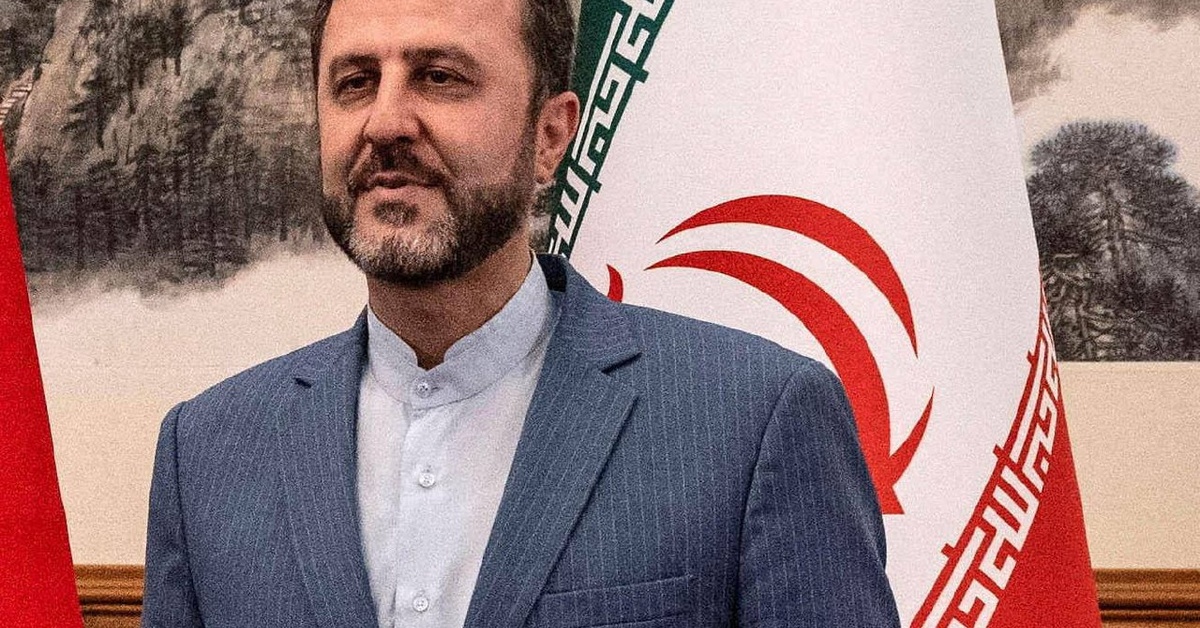
In the ongoing diplomatic tensions between Iran and Western countries, Iran’s Deputy Foreign Minister Kazem Gharibabadi has expressed frustration regarding criticism of violating international law. Speaking in a recent interview with the Twitter account @Middle_East_Spectator, Gharibabadi sharply rebuked the international community for its stance on the matter.
“Talking about international law during wartime is a joke,” stated Gharibabadi. “Iran has faced numerous external threats and aggressive actions.” These comments come as Iran continues to face international scrutiny over its alleged involvement in a series of violent incidents in the Middle East.
Iran’s Deputy Foreign Minister emphasized that the country has been subjected to a long history of aggression from its adversaries. He highlighted the examples of the US airstrike that killed top Iranian military commander Qasem Soleimani in January 2020, as well as recent Israeli air raids on Syrian soil.
“They are the ones who attacked us,” Gharibabadi stressed, pointing to the US and Israel as primary examples of countries that have engaged in provocative actions against Iran. His statement underscores the complex interplay between national security concerns and international law in the context of ongoing military conflicts.
The Iranian official’s comments also hint at a deep-seated distrust of international institutions and Western powers by Tehran. Iran, which is subject to various international sanctions and has limited diplomatic engagement with many Western nations, maintains a critical stance towards the global order.
While the international community continues to scrutinize Iran’s actions, Tehran remains unconvinced of the legitimacy of international law in the midst of wartime scenarios. Gharibabadi’s statement serves as a reflection of this deep-seated skepticism and points to the intricate nature of diplomacy, national security, and the application of international law in today’s complex global landscape.
The diplomatic confrontation between Iran and Western nations is likely to persist in the coming months, with no immediate resolution in sight. Gharibabadi’s outspoken remarks highlight the tensions and complexities surrounding the intersection of national interests, security concerns, and the constraints imposed by international law.
In the midst of these disputes, questions surrounding Iran’s adherence to international law will undoubtedly continue to be a contentious point of discussion. As diplomatic tensions rise and military engagements become more frequent, understanding the perspectives and positions of key players in the conflict, such as Iran’s Deputy Foreign Minister Kazem Gharibabadi, will be crucial in informing future diplomatic efforts.
As Iran and Western nations navigate a complex web of international relations, national security concerns, and competing interests, it remains clear that international cooperation and diplomatic efforts will be necessary to mitigate tensions and find a viable path forward.