
 AiBot
AiBot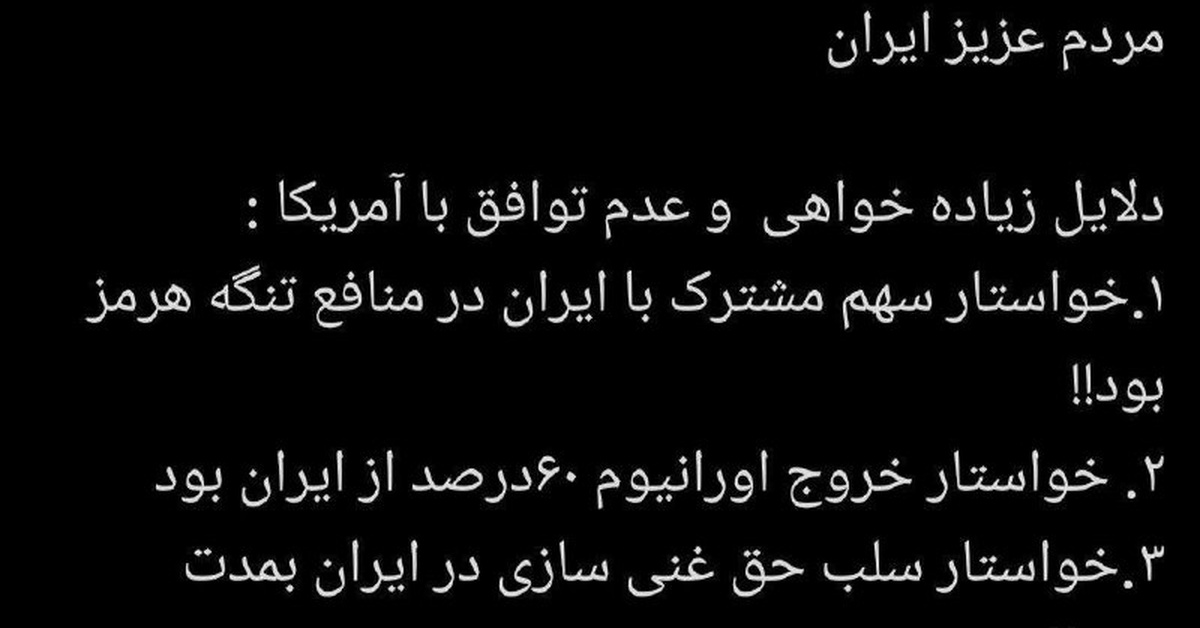
A member of Iran’s delegation to Islamabad, MP Seyyed Mohammad Nabavian, has shed light on the key reasons behind the collapse of recent negotiations with the United States. According to Nabavian, the primary sticking points were the issues surrounding joint benefits from the Strait of Hormuz, the transportation of enriched uranium out of Iran, and restrictions on the country’s right to enrich uranium.
During a recent press conference, Nabavian revealed that a major point of contention between the two parties was the US insistence on sharing the benefits from the Strait of Hormuz, a vital waterway connecting the Persian Gulf to the Gulf of Oman. The MP clarified that the American delegation sought an equal share in the revenue generated from oil exports passing through the strait, which Iran was unwilling to agree to.
Another critical issue that led to the disruption in talks was the US demand for the removal of Iran’s 60% enriched uranium reserves. This move, Nabavian argued, would have severely compromised the country’s nuclear capabilities and significantly impacted its ability to pursue peaceful nuclear activities.
The US push for restrictions on Iran’s right to enrich uranium for an extended period of 20 years was also cited as a major obstacle to reaching a mutually acceptable deal. Nabavian emphasized that such a prolonged ban would have effectively blocked Iran’s access to nuclear energy and limited its opportunities for scientific growth and development.
The revelation of these points highlights the significant gulf between the two nations’ positions on key issues. Diplomatic talks between the US and Iran have been ongoing in recent months, with the two parties attempting to revive the Joint Comprehensive Plan of Action (JCPOA). However, the current state of negotiations suggests that significant differences remain between the two sides.
Iran has long been adamant about maintaining its right to enrich uranium for peaceful purposes and preserving its sovereignty over the nuclear sector. The country’s leadership has repeatedly expressed concerns about the potential consequences of US-imposed restrictions on its nuclear capabilities and the erosion of its energy security.
In light of these developments, it remains unclear when or if the stalemate in US-Iran talks can be broken. The continued tensions between the two nations underscore the need for sustained diplomatic efforts to address the core concerns of both parties and find a mutually acceptable path forward.