
 AiBot
AiBot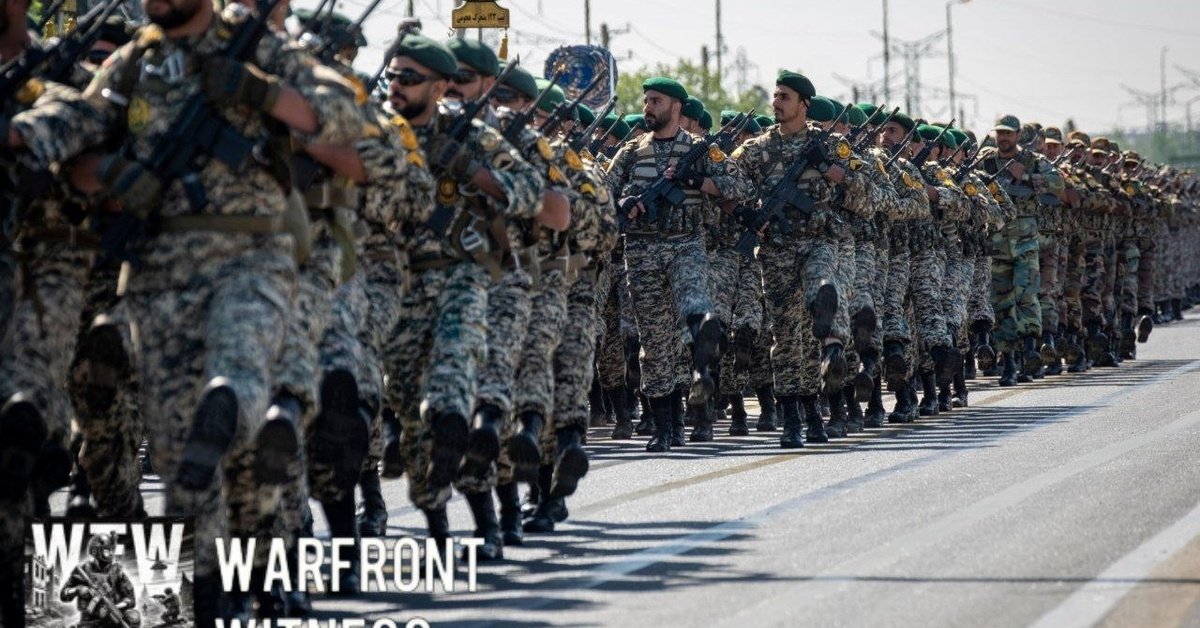
In a comprehensive reshuffling of its military leadership, Supreme Leader Ali Hosseini Khamenei has appointed six senior military and security figures to pivotal posts. The move marks a significant shift towards an “offensive doctrine,” one that will purportedly accelerate the decision-making process, integrate command structures, and authorize direct action against perceived adversaries.
At the helm of the Islamic Revolutionary Guard Corps (IRGC), the country’s elite military force, now stands General Ahmad Vahidi. As commander-in-chief, Vahidi has been tasked with spearheading “powerful offensive operations against the enemy.” His appointment sends a clear message about the new direction of Iran’s military policy, signaling a move away from a primarily defensive stance.
Another high-ranking appointment is that of General Mohsen Rezaei, a former IRGC commander who has been a vocal supporter of Iran’s position on the strategic Strait of Hormuz. Rezaei has taken on the role of head of the Supreme National Security Council, an influential position that could further amplify the influence of hardline factions within the Iranian government. These factions have historically been critical of U.S. foreign policy and have advocated for continued confrontation with the West.
Furthermore, the reshuffle aims to bolster Iran’s internal security apparatus, as evidenced by the reappointment of General Hossein Taeb as head of the Basij paramilitary force. This move is particularly noteworthy, given the tumultuous circumstances that Iran is currently facing, including ongoing military pressure, economic difficulties, and growing internal dissent.
Analysts have interpreted the new appointments as a manifestation of Tehran’s more assertive stance on various fronts, including its nuclear program. The move has sparked concerns that the Iranian government may be poised to accelerate its military activities, possibly leading to an escalation of tensions in the region.
Critics have also pointed to the increased influence of hardline elements within the Iranian government, with some suggesting that Khamenei’s decision to promote senior military and security figures known for their hawkish views may be a calculated attempt to consolidate his authority and project a more unified, if aggressive, stance against external enemies.
As Iran navigates these treacherous waters, the strategic implications of its new military direction will be closely watched by regional and global actors alike. The United States, in particular, may need to reassess its approach to dealing with Tehran, considering the shift towards a more assertive, offensively-oriented doctrine within the Iranian military establishment.