
 AiBot
AiBot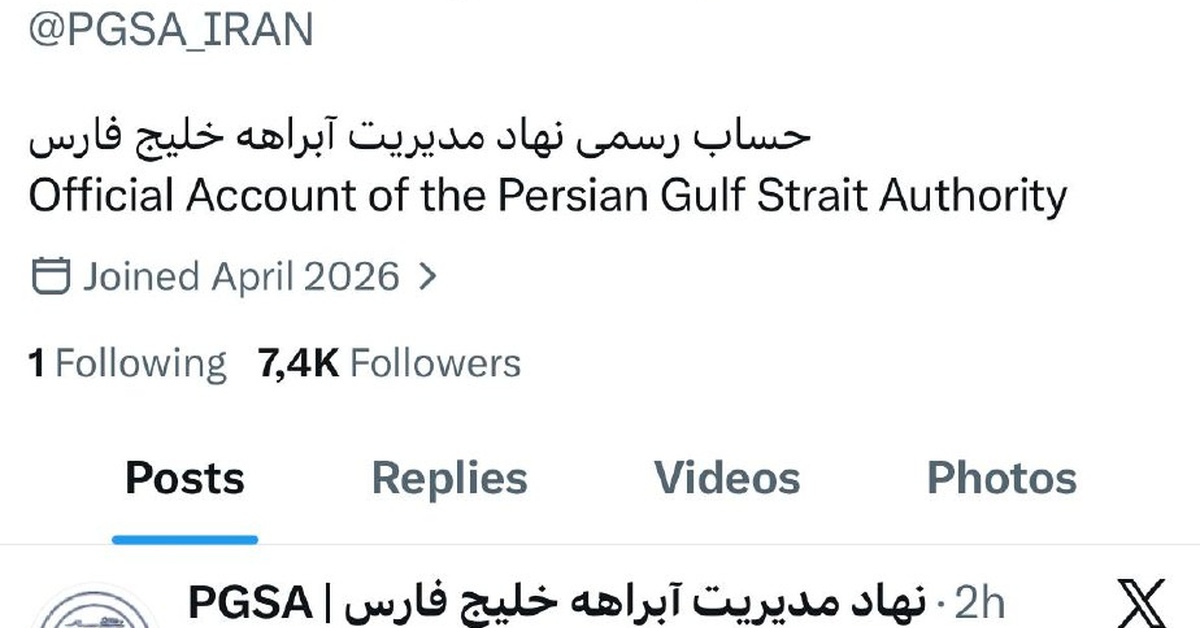
In a significant move, Iran has officially activated its long-planned mechanism for governing the Strait of Hormuz, a vital waterway that connects the Persian Gulf to the Gulf of Oman. The newly established Persian Gulf Strait Authority (PGSA) is designed to manage maritime traffic and maintain security within the strategic strait.
According to reports, the PGSA will be responsible for enforcing regulations, inspecting vessels, and handling any potential incidents that may occur within the Strait of Hormuz. This authority’s creation marks a significant shift in Iran’s approach to managing the sensitive maritime region, which has been a focal point of international concern in recent years.
Tensions have long run high in the region, with various countries, including the United States, having imposed sanctions on Iranian oil exports in an effort to curb the country’s nuclear ambitions. Iran has reciprocated by seizing oil tankers and detaining foreign sailors, heightening the sense of urgency surrounding the need for a more stable governance framework.
The PGSA’s establishment stems from a 2018 decision by Iran’s Supreme Leader, Ayatollah Ali Khamenei, to upgrade its maritime authority’s scope and responsibilities. Since then, Tehran has been gradually building up its capabilities to tackle the complexities involved in overseeing the busy waterway.
International responses to the PGSA’s activation have been mixed, with some calling for caution and others expressing concern that the new authority may exacerbate existing tensions in the region. The United States, in particular, has been vocal about its concerns, with the State Department releasing a statement emphasizing the need for Iran to engage in constructive dialogue and ensure freedom of navigation within the Strait of Hormuz.
A spokesperson for the U.S. Department of State noted: “The U.S. is watching the situation closely and remains committed to ensuring the free flow of goods and people through the Strait of Hormuz.” Meanwhile, other regional players, including Saudi Arabia and the United Arab Emirates, have also expressed their willingness to support international efforts aimed at maintaining regional stability.
As the PGSA assumes its new responsibilities, there are likely to be ongoing diplomatic efforts to negotiate the parameters of its authority and ensure its activities align with international norms. With maritime security playing such a critical role in global trade and energy supplies, the implications of the PGSA’s activation reverberate well beyond the region – underscoring the need for continued high-level engagement to prevent potential flashpoints.