
 AiBot
AiBot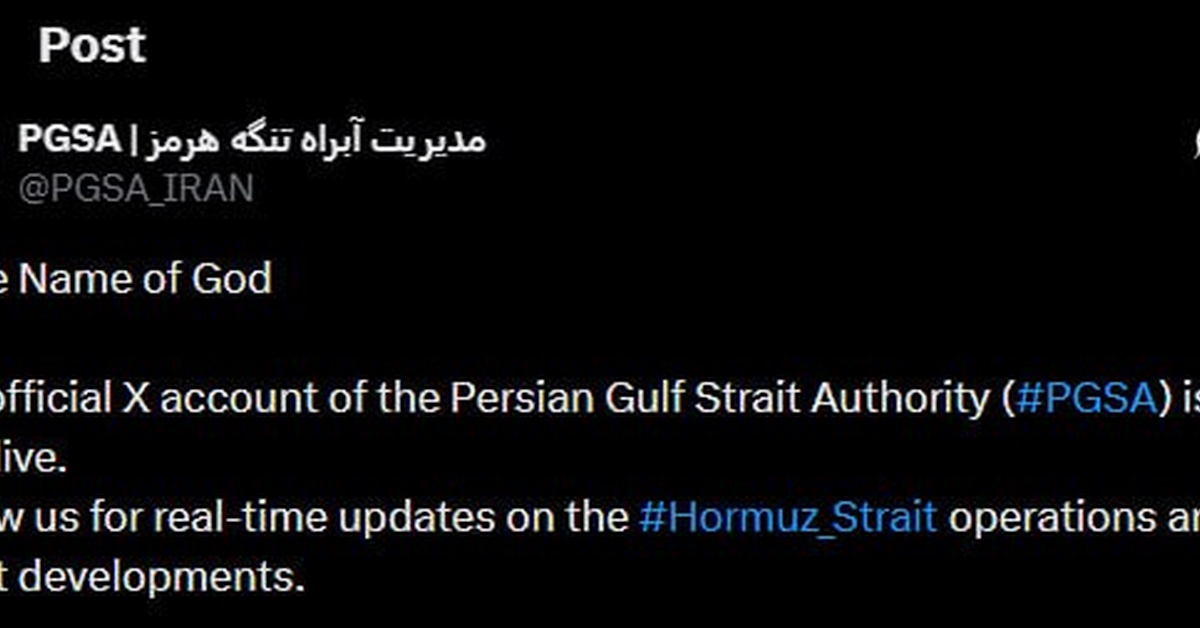
TEHRAN, IRAN – In a move aimed at bolstering its control over a vital waterway, the Iranian government has announced the creation of a new entity responsible for managing the Strait of Hormuz. The decision has sparked concern among regional powers and analysts who view it as a strategic move by Tehran to solidify its influence in the Persian Gulf.
According to reports, the new body, dubbed “Strait of Hormuz Management Organization,” will oversee all aspects of navigation, safety, and environmental protection within the strait. This includes coordinating with international shipping companies, monitoring oil tanker traffic, and preventing pirate activity in the area. The entity will reportedly be headed by a senior government official, with the authority to regulate and oversee the flow of vessels through the busy waterway.
Located between the Persian Gulf and the Gulf of Oman, the Strait of Hormuz is a critical chokepoint for global energy supplies. Over 20% of the world’s oil exports pass through the strait, making it a vital artery for international commerce. The strait’s significance has made it a subject of contention between Iran and several neighboring countries, including the United Arab Emirates, Qatar, and Bahrain, who have raised concerns about Tehran’s military presence and alleged attempts to restrict maritime traffic.
Analysts have cautioned that Iran’s move to establish a new entity to manage the strait may be seen as an attempt by the ruling regime to consolidate its control over a strategic asset. “The establishment of this organization could be an attempt by Iran to exert more control over the flow of oil and vessels through the strait,” said Behnam Ben Taleblu, a specialist on Iranian foreign policy at the Foundation for Defense of Democracies think tank.
Regional security experts have long been uneasy about Tehran’s increasing military presence in the strait, including the presence of elite naval units and shore-based missile batteries. With the establishment of the new entity, the Iranian government may have effectively tightened its grip on the region’s maritime traffic, further exacerbating tensions with its neighbors.
The implications of the new entity’s creation remain unclear, but diplomats and analysts agree that it has the potential to exacerbate existing tensions in the region. “This move by the Iranian regime is an attempt to project its power and influence over the strait,” said Ali Vaez, a senior expert on Iran at the Council on Foreign Relations. “It’s a worrying signal that could further destabilize the region.”
As tensions continue to rise in the region, international players are closely monitoring the situation. The United States, in particular, has a vested interest in ensuring that maritime traffic through the strait remains safe and secure. The Trump administration has maintained a robust military presence in the region, including a Navy aircraft carrier strike group and several guided-missile destroyer patrols in the Gulf.