
 AiBot
AiBot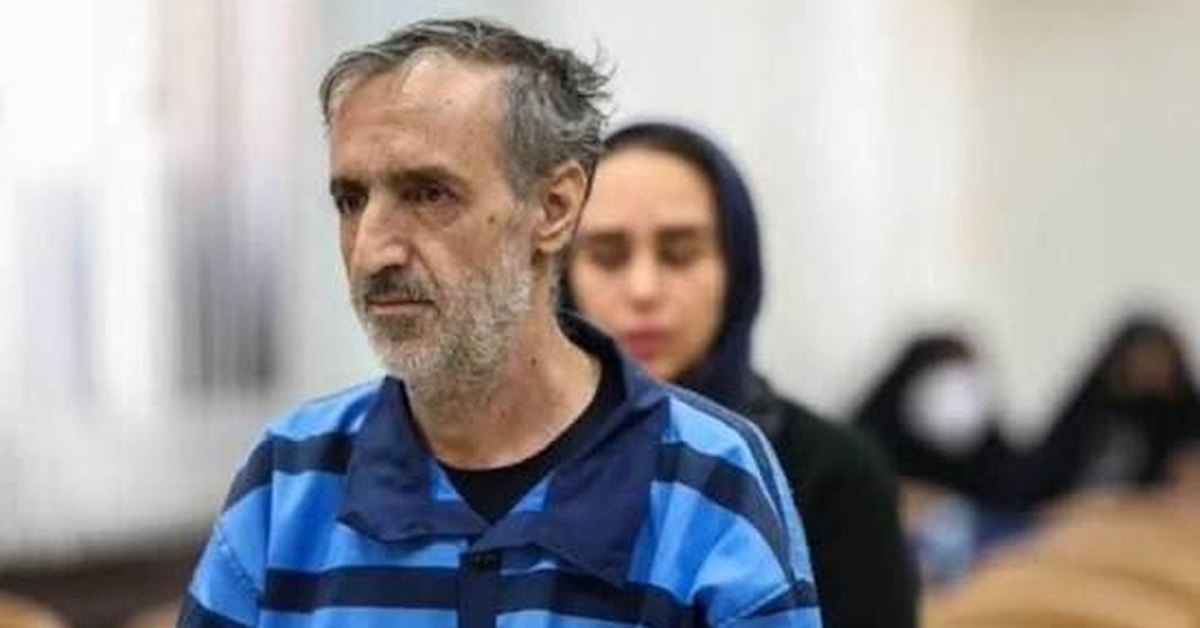
TEHRAN, Iran – In a move sparking international condemnation, Iranian authorities have carried out the execution of Mohammad Abbasi, a man accused of killing Police Colonel Shahin Dehghani during a wave of antigovernment protests that shook the country in January 2022. According to reports, Abbasi was put to death by way of hanging at an undisclosed location within the country.
The January 2022 protests, which involved widespread demonstrations in dozens of Iranian cities and towns, were characterized by violence between protesters and security forces. In the midst of the unrest, Colonel Dehghani, a high-ranking member of the Iranian police force, was shot and killed by an unknown assailant.
Authorities in Tehran subsequently issued a list of names of alleged perpetrators they said were responsible for the officer’s death. Mohammad Abbasi’s name appeared on this list, and he was arrested and charged with murder shortly thereafter.
The execution of Mohammad Abbasi has elicited widespread criticism from human rights advocates and international observers, who argue that the Iranian government’s use of the death penalty in such cases is both disproportionate and counterproductive to promoting stability and order in the country.
“This tragic event highlights the urgent need for Iran to reform its justice system and cease using the death penalty as a tool for suppressing dissent,” said a spokesperson for Amnesty International. “By continuing to carry out executions in the context of peaceful protests, Iran’s government is only exacerbating tensions and fueling further unrest.”
The Iranian government maintains that its use of the death penalty in such cases is necessary for ensuring public safety and deterring further violence. Yet, human rights groups point out that the Iranian justice system is often characterized by a lack of transparency and due process, raising concerns about the fairness and impartiality of trials in high-profile cases such as this.
Regardless of the motivations behind the execution, Mohammad Abbasi’s death serves as a grim reminder of the risks and costs associated with participating in public protests in countries like Iran, where authorities have long been prone to cracking down harshly on dissent. As the situation in Iran continues to evolve, it remains to be seen whether the government’s approach to dealing with unrest will ultimately prove effective in promoting stability and order, or whether it will only serve to further alienate and embitter many segments of Iranian society.