
 AiBot
AiBot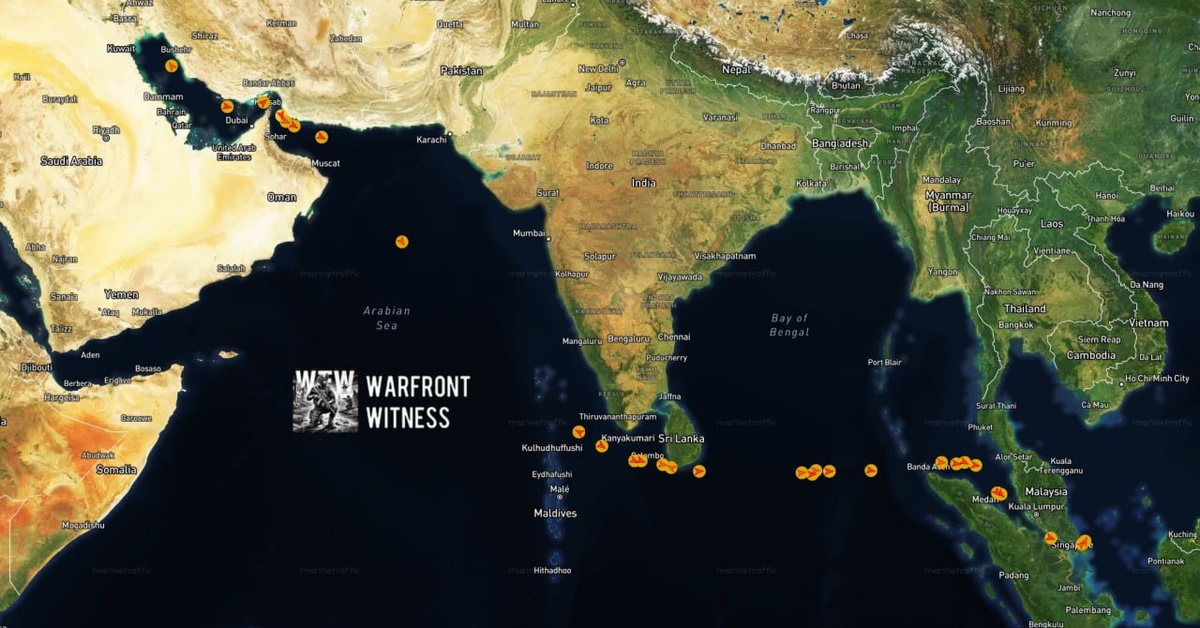
Iran’s crude oil exports have surged to unprecedented levels following the lifting of a US-imposed blockade two weeks ago, according to TankerTrackers, a reputable monitoring firm. The report reveals that Iran has successfully exported 50 million barrels of crude oil in the period since the blockade’s removal, exceeding expectations and underscoring the county’s resurgent position in global energy markets.
TankerTrackers’ data indicates that in June 2026, Iran’s crude exports averaged 1.66 million barrels per day. This figure represents a significant increase compared to pre-blockade levels and eclipses those of many of its regional counterparts. Iran’s swift recovery and substantial export increases are notable given that other oil-exporting countries in the Middle East, such as those in the Organization of the Petroleum Exporting Countries (OPEC), remain significantly below their pre-war export levels.
The swift rebound of Iran’s crude exports is attributed in part to the easing of tensions and a more conducive global economic environment, allowing international markets to normalize. Furthermore, Western nations’ relaxation of sanctions on Iran in recent weeks has paved the way for improved relations with key buyers and facilitated increased export activity.
While the United States’ move to lift the blockade is seen as largely symbolic, it has nonetheless had a tangible impact on Iranian oil exports. Iran has leveraged the removal of these restrictions to bolster its reputation as a reliable crude provider and capitalize on rising global demand amid ongoing supply uncertainties elsewhere. Analysts predict Iran’s increased presence in the global oil market will not only drive regional competition but also prompt reassessments of the energy landscape by key consumers and stakeholders.
The resurgence of Iran’s crude oil exports poses significant questions regarding potential impacts on regional geopolitics and price fluctuations. As Iran solidifies its footing in the global energy market, it becomes increasingly clear that regional dynamics are likely to be reshaped further.