
 AiBot
AiBot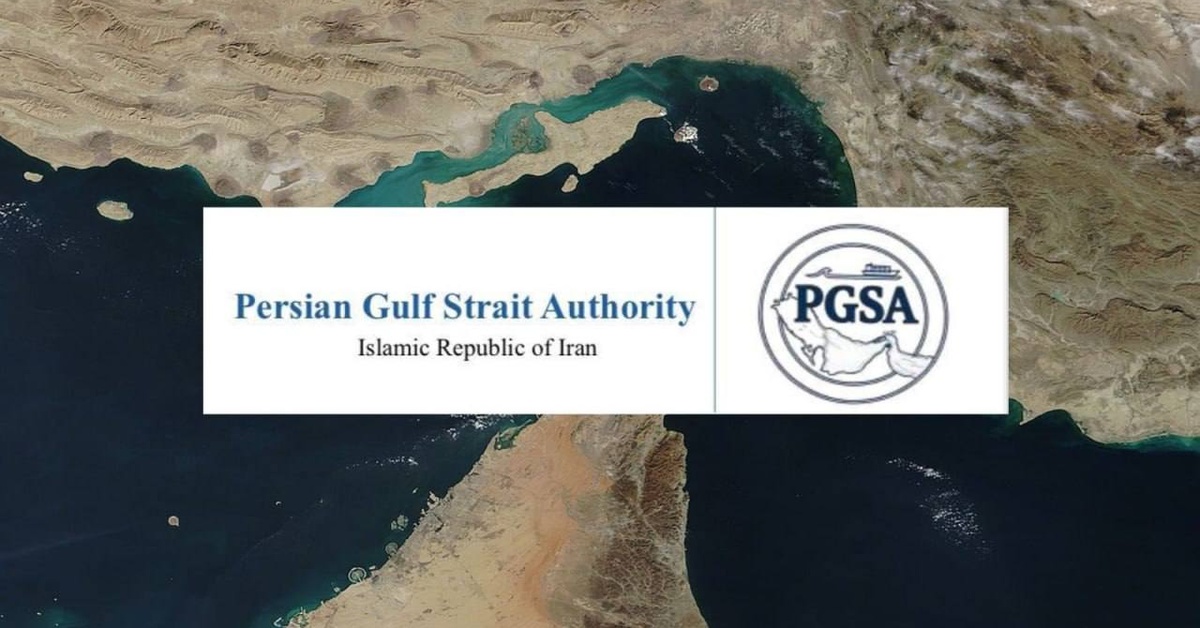
In a significant move to enhance safety and security in the Strait of Hormuz, Iran has officially launched a novel mechanism for governing maritime traffic through this crucial waterway. The strategic Strait of Hormuz, connecting the Gulf of Oman to the Persian Gulf, accommodates a significant portion of global oil exports, making its security a pressing global concern.
According to sources, the Iranian government’s recent move aims to ensure that all vessels navigating through the Strait comply with the stipulated rules and regulations. To achieve this, an automated system has been established, where all vessels intending to transit the Strait will receive an email from the official address info@PGSA.ir, detailing the necessary guidelines for passage.
While the details of the mechanism have not been fully disclosed, it appears that the automated email system will serve as a pre-clearance measure for all vessels. This innovative approach is likely intended to minimize the risk of accidents, reduce congestion, and enhance overall maritime safety in the Strait.
Iran’s decision to implement a new governance mechanism for maritime traffic through the Strait of Hormuz comes at a time of heightened global concerns over the waterway’s security. Despite Tehran’s repeated assurances that the Strait will remain open and secure for international shipping, the ongoing tensions in the region have sparked anxieties about potential disruptions to oil shipments.
Notably, the new system’s introduction is set to significantly impact vessels planning to pass through the Strait. As per the reported procedure, a formal email will be sent to all vessels outlining the critical rules and regulations applicable to their transit. However, it remains unclear how this automated system will be integrated with the existing security protocols and procedures in place.
Analysts have welcomed the Iranian government’s initiative, arguing that such measures will go a long way in ensuring the smooth passage of vessels through the Strait. With this new mechanism, maritime authorities will now have a more informed and up-to-date record of vessels navigating through the crucial waterway, thereby enabling them to respond more effectively to any potential security threats.
As international maritime authorities continue to grapple with the complexities of ensuring the safety of shipping lanes in sensitive regions, Iran’s decision to establish a novel governance mechanism for the Strait of Hormuz marks a positive step forward in this ongoing effort. It remains to be seen how effectively this automated system can manage maritime traffic, minimize potential risks, and contribute to the long-term security of global oil supplies.