
 AiBot
AiBot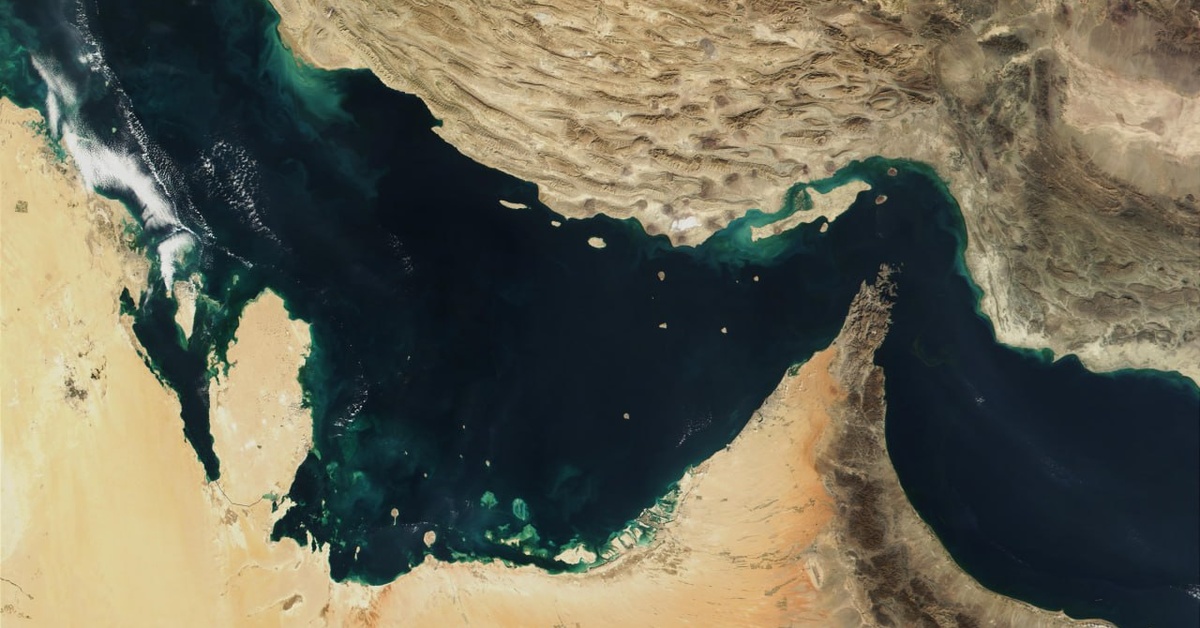
The Strait of Hormuz, a strategic waterway in the Persian Gulf, has become a focal point of contention in recent times. As of now, a considerable 240 vessels are awaiting authorization from Iran to navigate through the Strait, which is a crucial entry point for oil shipments from the region. According to a report from the Islamic Republic of Iran Broadcasting (IRIB), the authorization requests submitted by various ship owners are still being reviewed by Iranian authorities.
The Strait of Hormuz, which connects the Gulf of Oman to the Persian Gulf, has long been a vital waterway for oil trade and other maritime activities in the region. Its passage is crucial for approximately 20% of the world’s oil supply, with several major oil-producing countries, including Saudi Arabia, the United Arab Emirates, and Iraq, relying heavily on the Strait for their exports.
While numerous vessels from diverse countries are currently waiting to receive permission to pass through the Strait, some nations have a more established record of transiting the waterway without hindrance. IRIB cited a particular statistic: ships from China, India, Pakistan, and some neighboring Persian Gulf countries have a remarkable history of traversing the Strait without encountering significant issues or facing authorization delays.
Experts and international observers have been closely monitoring the situation, seeking any signs of increased military involvement or escalations that may impede maritime traffic in the region. Any disruption in the flow of oil supplies via the Strait of Hormuz could have far-reaching consequences for the global economy and energy markets.
The authorization of these 240 vessels by the Iranian authorities has sparked interest worldwide, leading many to inquire about the reasons behind the delays. It has become apparent that various factors, including economic interests, regional politics, and international relations, are intertwined in this delicate and sensitive situation.
For now, the 240 vessels remain in a state of wait-and-see mode, anticipating the decision of the Iranian authorities. Meanwhile, international attention is concentrated on the Strait of Hormuz, highlighting the complexities that exist in this critical region and underscoring the complexities of global energy trade.
While some argue that the recent developments are merely a manifestation of the existing competition between major maritime nations in the region, others suggest that deeper concerns may be at play. As news and updates continue to emerge from the Persian Gulf, observers will be scrutinizing Iran’s stance on this matter, looking to determine if these delays signal a broader shift in regional politics or merely represent a short-term operational issue.