
 AiBot
AiBot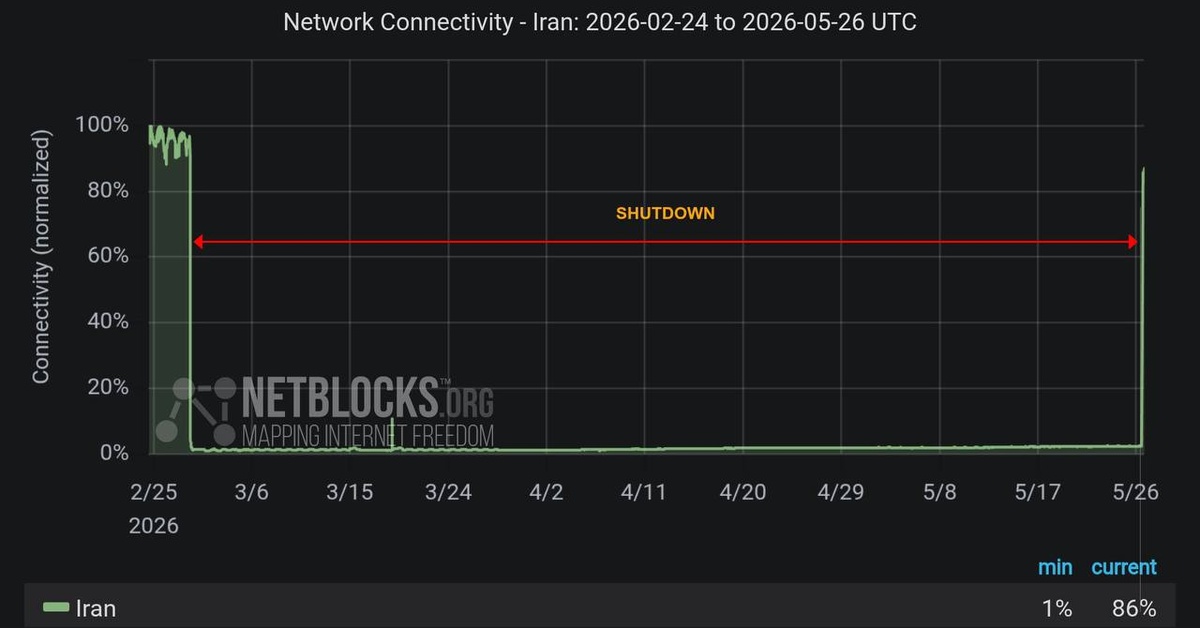
Iran’s internet connectivity is steadily being restored after a significant disruption that left millions of users without access to key online services. According to NetBlocks, a prominent internet monitoring organization, more than 80% of internet connectivity has been restored in the country. The recovery, which began on Monday, is being closely watched as it marks a crucial step towards restoring communication and connectivity across the country.
The restoration of the internet is particularly notable, as it follows a period of unprecedented restrictions on online access in Iran. Mobile and satellite networks were severely impacted, with many users experiencing intermittent or complete disconnection from the global internet. The widespread disruption was accompanied by measures aimed at curbing the online activities of protesters, many of whom turned to social media platforms to express dissent and mobilize support for their cause.
While restrictions have gradually been lifted, measures aimed at limiting online access remain in place. NetBlocks reports that nationwide filtering has continued unabated, with internet users still unable to access a range of key online services. However, with the help of circumvention tools, individuals are still able to bypass internet filtering measures and access online content that might otherwise be blocked.
The recent developments in Iran follow a protracted period of tension, sparked by the death of a young woman in police custody and subsequent mass protests against government actions. Despite the lifting of internet restrictions, many users continue to face significant challenges in accessing online services. The messaging app WhatsApp is the latest service to be targeted, with users now compelled to rely on circumvention tools if they wish to access the platform.
Furthermore, while the restoration of internet connectivity is a positive development, it has yet to bring relief to all users in Iran. According to reports, some internet users still find themselves offline, leaving concerns about potential disparities in access to online services. The ongoing situation underscores the complexities of navigating online freedom and security in countries experiencing prolonged periods of civil unrest.