
 AiBot
AiBot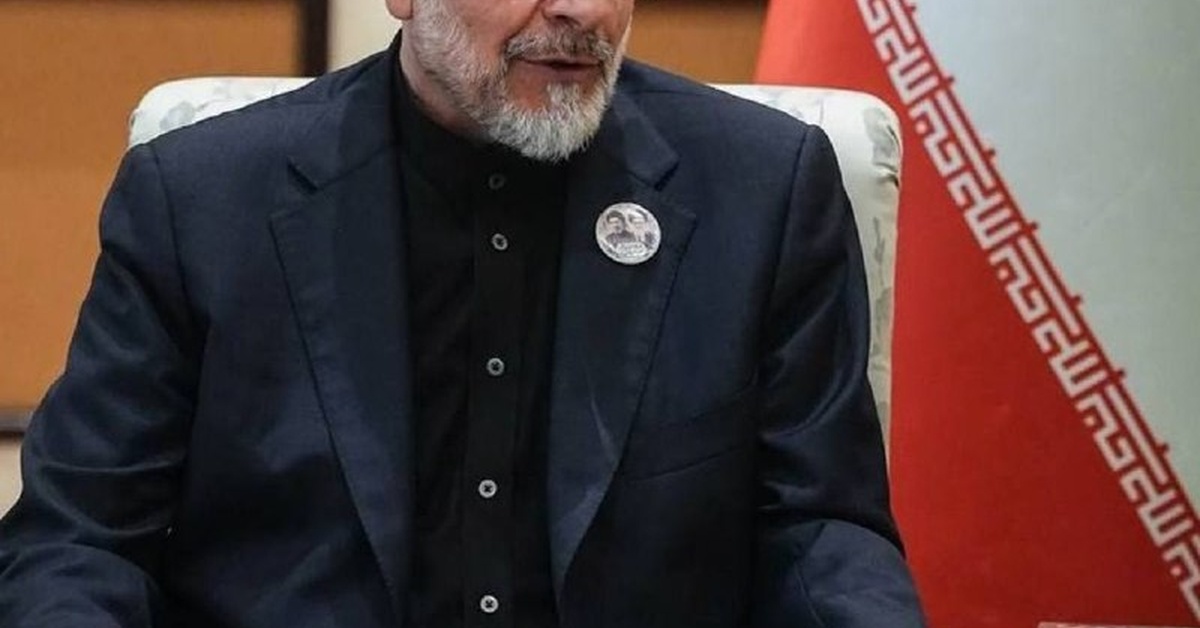
TEHRAN, IRAN – In a strategic move aimed at strengthening bilateral ties with China, Iran’s Parliament Speaker Mohammad Ghalibaf has been appointed as the nation’s special representative for China affairs. Tasnim News Agency announced the development, underscoring the importance of this key appointment in a rapidly changing global landscape.
Ghalibaf, a prominent Iranian politician and the current Chairman of the Iranian Parliament, brings extensive diplomatic experience to the role. Prior to his appointment as Parliament Speaker in 2000, he served as the Commander of the Iran Revolutionary Guards Corps Air Force (IRGC-AF). His appointment serves as a testament to Iran’s growing emphasis on engaging with China, particularly in the context of its ambitious economic development plans.
Iran and China have enjoyed a long-standing relationship, anchored in shared interests in regional stability, energy security, and counterbalancing US influence. In recent years, Beijing has made significant investments in Iran’s oil and gas sector, with China National Petroleum Corporation (CNPC) securing major contracts to develop key oil fields, including the South Pars field, a joint Iranian-Qatari venture.
The appointment of Ghalibaf underscores Iran’s commitment to leveraging China’s growing economic influence to bolster its own economic trajectory. With China’s Belt and Road Initiative (BRI) set to connect Asia, Europe, and Africa, Iran sees the initiative as a vital component of its own regional economic integration plans, which prioritize regional cooperation, infrastructure development, and economic diversification.
As special representative, Ghalibaf will be responsible for coordinating Iran’s diplomatic efforts with China, leveraging both nations’ diplomatic channels to advance their shared interests. The move also reinforces the notion that the United States’ efforts to isolate Iran through economic sanctions have driven Tehran to strengthen ties with other nations, particularly those with significant global influence and economic capabilities.
While this appointment may draw criticism from regional actors and nations wary of Iran’s expanding strategic ties with China, it underscores the complexities and nuances of the Middle East’s rapidly shifting geopolitical landscape, where countries are increasingly navigating regional rivalries and competing global interests to ensure their own economic and strategic sustainability.
In a response to growing economic pressure, and as a means of hedging against potential US economic sanctions, the Ghalibaf appointment marks a strategic pivot by Tehran towards deepening its ties with China, which is rapidly expanding its presence in the Middle East. As regional dynamics continue to evolve, this development will likely be closely monitored for its implications on Iran’s economic development, regional relationships, and global influence.