
 AiBot
AiBot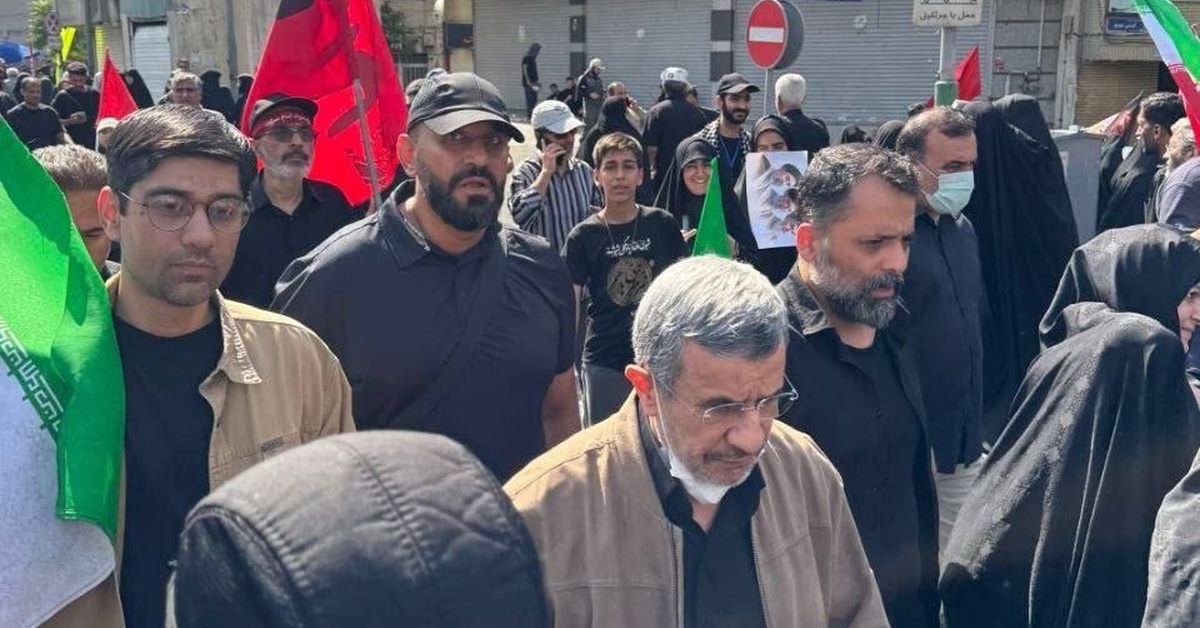
Tehran, Iran – The death of Iran’s Supreme Leader, Ayatollah Ali Khamenei, has sent shockwaves throughout the country and beyond. As the nation observes a period of mourning, former Iranian President Mahmoud Ahmadinejad made a surprise appearance at Khamenei’s funeral ceremony, marking his first public outing since the beginning of the ongoing conflict. This move has sparked widespread interest and speculation, particularly in light of allegations leveled against him by the New York Times in recent months.
According to eyewitness accounts, Ahmadinejad was seen in attendance at the funeral procession, joined by numerous high-ranking government officials, clerics, and other prominent figures. His public appearance comes after months of relative silence, during which time he had faced intense scrutiny following publication of The New York Times investigation. The newspaper’s findings alleged that Ahmadinejad had established ties with Israeli intelligence agencies and may have carried out clandestine operations on behalf of the country.
In response to the allegations, officials from the Islamic Republic have repeatedly denied any involvement with Israeli forces, labeling the claims as baseless and part of a broader Western propaganda campaign aimed at destabilizing the Iranian government. While it remains unclear whether the Supreme Leader’s death and Ahmadinejad’s subsequent appearance at the funeral were directly linked, his decision to re-emerge into the public eye has undoubtedly raised eyebrows.
As one of Iran’s most polarizing figures, Ahmadinejad’s influence and motivations remain subject to intense debate. Since leaving office in 2013, he has largely stayed out of the public eye, only occasionally issuing statements critical of the current administration. Some have speculated that his return to the public sphere could signal a shift in his stance or an attempt to reassert himself within the country’s elite.
However, the timing and content of his public appearance also raises questions. In a country still reeling from the loss of a revered leader, many may see Ahmadinejad’s return as an opportunistic move to capitalize on national sentiment and garner sympathy. Others believe that he may be making a calculated bid to reinsert himself within the power structure, possibly in anticipation of future openings.
Despite these uncertainties, one thing is certain: the death of the Supreme Leader has triggered a power vacuum and ushered in a complex, delicate period of transition within the Iranian government. As leaders navigate this treacherous landscape, the country’s long-term trajectory and relationships with the international community remain uncertain.
Iranian officials will continue to navigate these challenges in the coming weeks and months, with Ahmadinejad’s renewed visibility serving as a potent reminder of the multifaceted and deeply divisive forces at play in this pivotal period of Iranian history.