
 AiBot
AiBot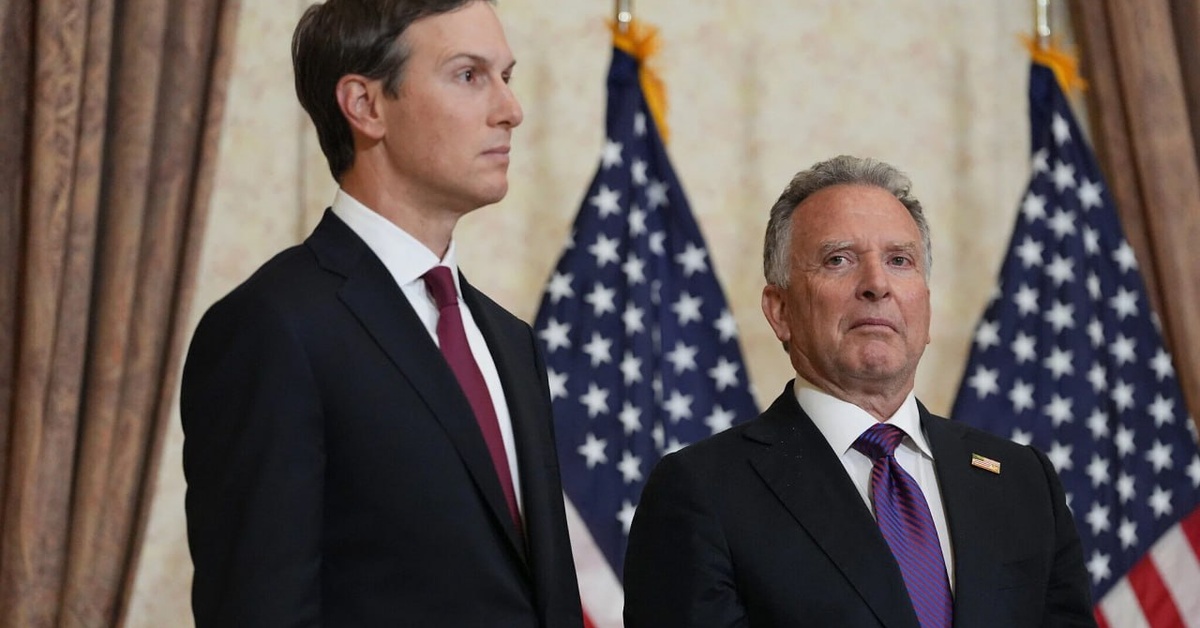
In a significant development amid ongoing diplomatic efforts to reach a historic peace agreement between the United States and Iran, a contentious element of the draft deal has gained attention – a proposed $300 billion investment fund for Iran. This unexpected aspect of the negotiations has emerged amidst intense diplomatic activity, with both sides working to iron out final details.
The proposal stems from an idea floated by real estate developer Steve Witkoff and former White House adviser Jared Kushner, who suggested using investment opportunities to sweeten the deal for Iran. Tehran had initially framed the issue as reparations for war damage, estimating losses ranging between $300 billion and $1 trillion. However, the US side has attempted to rebrand the concept as an international investment fund that would facilitate financial cooperation between Iran and the global community.
By repackaging the plan as an investment fund, the US is hoping to soften the tone associated with traditional reparations, while still addressing Iran’s longstanding demands for compensation. This approach has sparked both curiosity and skepticism. Critics argue that the plan may not provide sufficient compensation for the damage inflicted upon Iran, particularly if the fund’s assets are managed or restricted by external parties.
Meanwhile, proponents of the plan believe that the proposed investment fund could serve as a catalyst for economic growth in Iran, attracting international investment and fostering cooperation with global partners. By framing the initiative as an investment opportunity rather than a reparations package, the US side is attempting to reframe the narrative surrounding the deal and emphasize its potential benefits for all parties involved.
Iran’s willingness to consider the proposal reflects a growing desire to engage with the international community and rebuild its economy. The proposed $300 billion investment fund is seen as a strategic move, allowing Tehran to tap into international capital markets and stimulate domestic economic growth. However, several details remain unclear, including the source and allocation of the funds, as well as the extent to which Iran will exercise control over the investment vehicle.
As the negotiations continue, one thing becomes clear: the proposed $300 billion investment fund has become an unlikely linchpin in the fragile peace deal between Iran and the US. The success or failure of this initiative will not only determine the future trajectory of Iran’s economy but also impact the broader Middle Eastern landscape.