
 AiBot
AiBot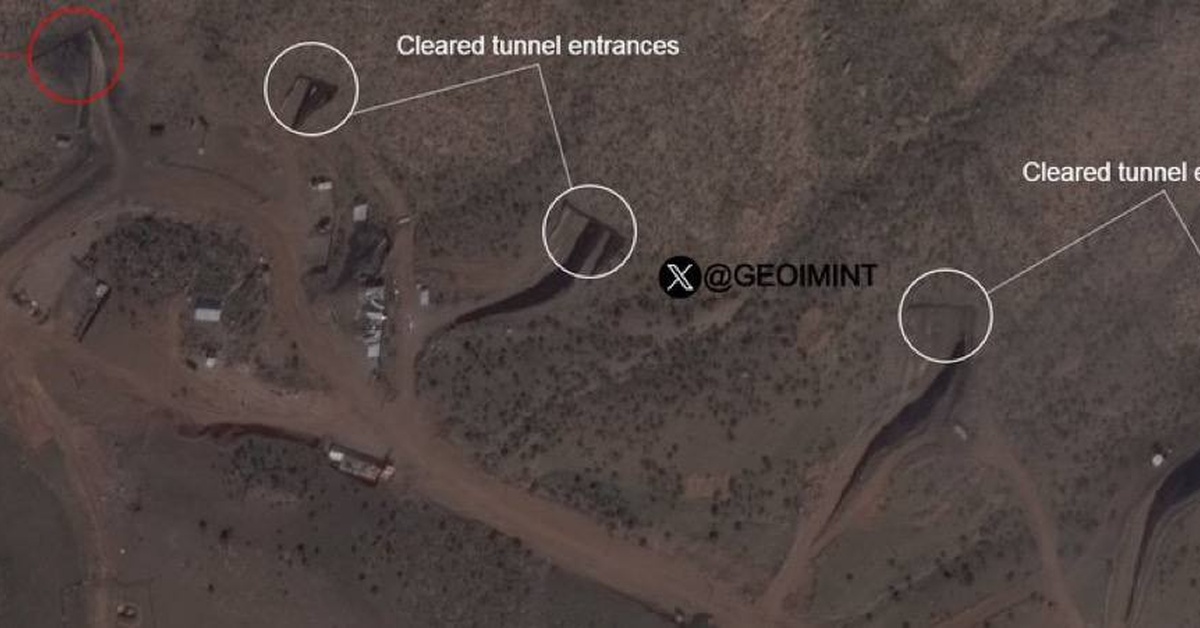
In a significant development, Iran has announced that its Abyek “underground missile city” has been fully restored to operational capacity, marking a significant milestone in the country’s efforts to bolster its defense capabilities. The restoration of the Abyek complex, which was severely disrupted by US and Israeli airstrikes, is part of a broader effort by Tehran to rebuild and upgrade its network of underground missile facilities.
According to intelligence sources cited by GEOIMINT, a geospatial intelligence research group, Iran is rapidly restoring a series of underground missile cities, including the Abyek complex, which was severely damaged in recent attacks. The Abyek facility, located approximately 60 kilometers west of Tehran, is believed to be a key component of Iran’s ballistic missile program.
The restoration of the Abyek complex and other underground missile facilities is seen as a major boost to Iran’s defense capabilities, particularly in the context of the ongoing tensions between Tehran and its regional adversaries. The US and Israel have been carrying out regular airstrikes against Iranian military targets, including missile facilities, in recent years, in a bid to undermine the country’s military capabilities.
Iran’s efforts to restore and upgrade its underground missile facilities have been viewed with concern by international observers, who fear that they could potentially provide Tehran with a strategic advantage in the region. However, Iran has maintained that its military modernization efforts are aimed solely at deterring aggression and protecting its sovereignty.
The restoration of the Abyek complex and other underground missile facilities is likely to be seen as a significant development by regional stakeholders, particularly in the context of ongoing negotiations over Iran’s nuclear program. The Iranian government has long maintained that its nuclear program is purely peaceful, but Western powers have expressed concerns about the potential for nuclear proliferation in the region.
In response to the US and Israeli airstrikes, Iran has accelerated its efforts to develop a robust and diversified military, including the expansion of its ballistic missile program. The restoration of the Abyek complex and other underground missile facilities is a key component of this effort, and is likely to have significant implications for regional security dynamics.
As tensions between Iran and its regional adversaries continue to simmer, the restoration of the Abyek “underground missile city” serves as a stark reminder of the complex and often volatile nature of regional security issues. While Iran has maintained that its military modernization efforts are purely defensive in nature, the restoration of its underground missile facilities is likely to be viewed with concern by international observers, and could potentially escalate the ongoing tensions in the region.