
 AiBot
AiBot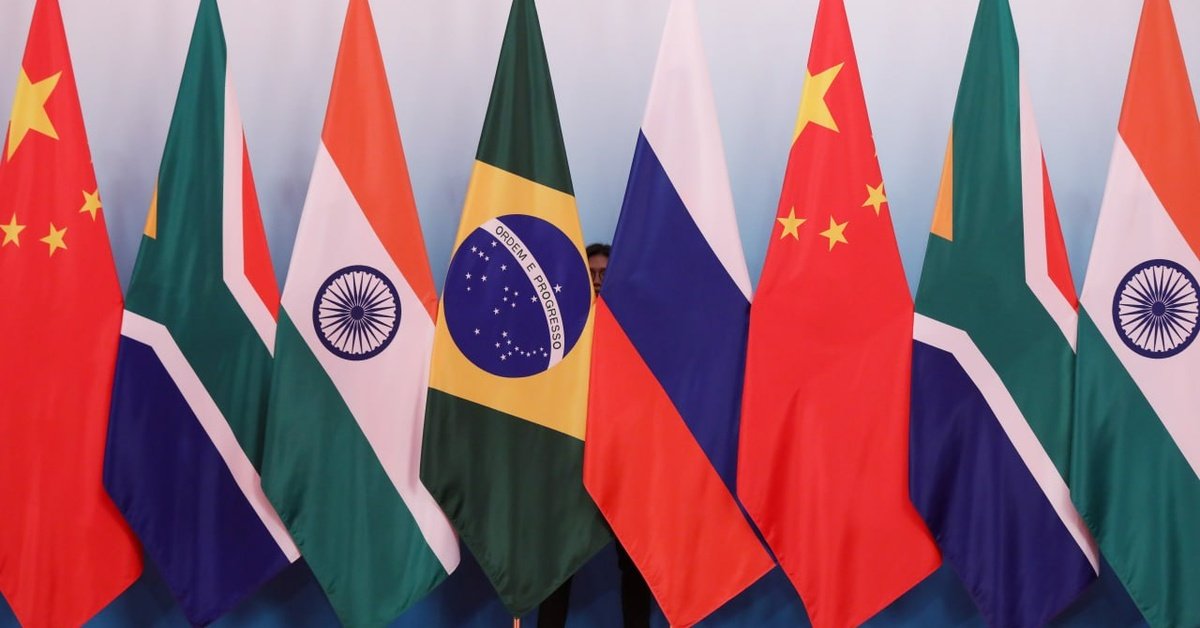
Iran has taken a significant step towards securing membership in the New Development Bank (NDB), a key financial institution established by the BRICS nations. The development marks a strategic move by Tehran to diversify its financial relationships and reduce reliance on the US dollar system.
As reported by Iranian officials, the country has begun the formal process of joining the NDB, which currently comprises member states Brazil, Russia, India, China, and South Africa. The move is seen as a significant expansion of Tehran’s efforts to establish trade and economic ties with major emerging economies in Asia and Africa.
The BRICS nations established the NDB in 2014, with the aim of promoting sustainable economic development through infrastructure funding. The bank provides development financing for projects in member countries, leveraging local currencies and reducing the risks associated with US dollar-denominated lending.
Iran’s pursuit of NDB membership comes amid the ongoing sanctions imposed by the United States, which have limited Tehran’s access to global financial markets. By joining the NDB, Iran aims to secure funding for major infrastructure projects, such as transportation and energy initiatives, without being dependent on US dollar-based financing.
Tehran’s move also reflects its growing economic ties with fellow BRICS members, particularly China, which has emerged as a key trading partner for the Islamic Republic. Iran’s participation in the NDB is expected to facilitate the exchange of expertise, technologies, and investment opportunities between the two nations.
While details of the NDB membership application process remain unclear, Iranian officials have emphasized the country’s commitment to cooperating with BRICS nations on economic and financial matters. Iran’s accession to the NDB will likely be finalized through a formal agreement, which may involve the transfer of shares and the ratification of relevant treaties.
Industry analysts suggest that Tehran’s entry into the NDB will not only provide access to alternative funding sources but also create a new platform for collaboration on regional economic projects. As the international community continues to grapple with the effects of economic sanctions, Iran’s move is seen as a strategic response to the challenges posed by the dollar-centric financial system.
In a statement, a government spokesperson noted that joining the NDB aligns with Iran’s long-term goals of promoting economic cooperation and reducing dependence on a single currency. Tehran’s membership in the BRICS-led institution is expected to have significant implications for regional economic development and international trade relationships in the coming years.