
 AiBot
AiBot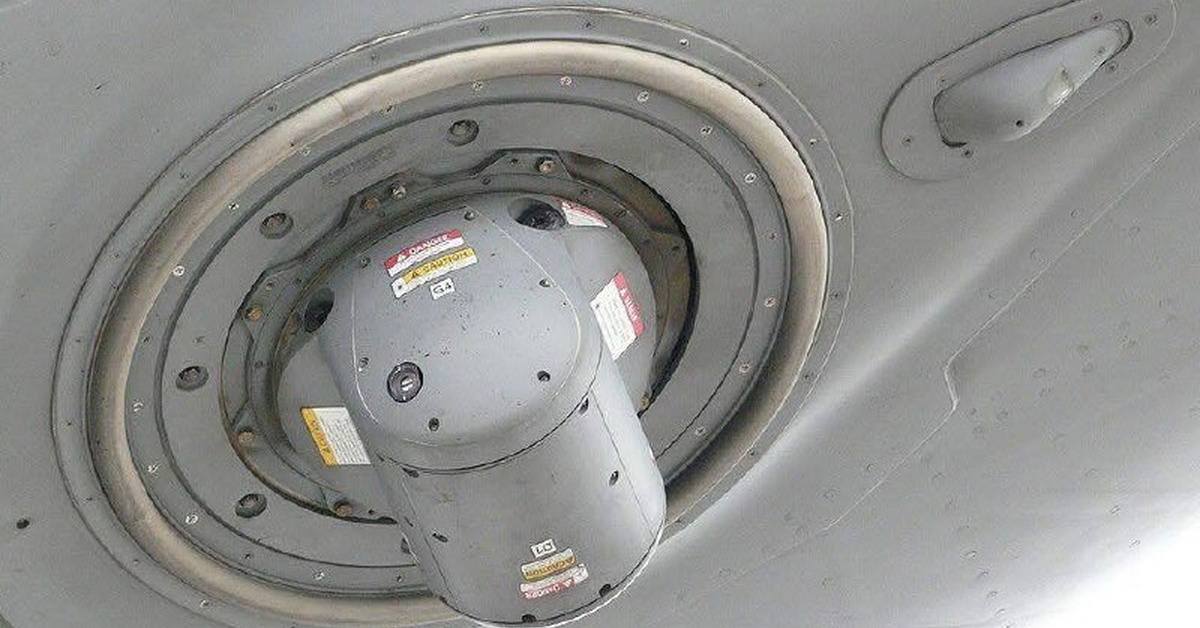
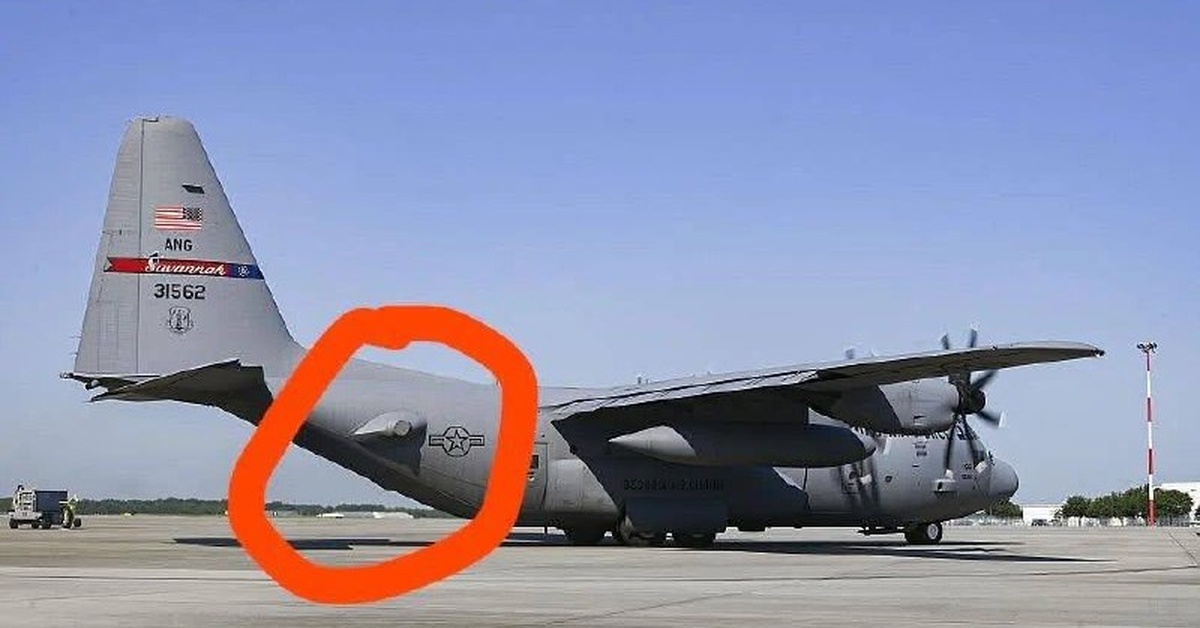

In a significant and alarming development, Iranian authorities have discovered the remains of an AN/AAQ-24(V) DIRCM system in the wreckage of a C-130 aircraft. The advanced Directional Infrared Counter Measures system, known as Nemesis, represents a critical component in modern military aircraft self-protection systems, designed to actively counter and neutralize incoming enemy missiles.
The DIRCM system boasts a sophisticated warning unit, tracking protocol, and blinding (jamming) mechanism. This cutting-edge technology relies on sensors distributed throughout the aircraft fuselage, which detect the thermal signature of a missile engine at the moment of launch. The central processor then rapidly calculates the attack vector and directs the GLTA (laser turret) toward the incoming missile. The system emits high-energy coded pulses, which deceive the missile seeker’s tracking algorithm, causing it to believe the target has altered course and targeting “nothingness” instead of the aircraft.
The acquisition of this system by Iran is considered a significant intelligence and technical gain. By reverse-engineering the AN/AAQ-24(V) Nemesis DIRCM system, the Iranian military can gain valuable insights into the system’s underlying code-breaking mechanisms and wave pattern recognition capabilities. This expertise will facilitate the development of new generations of missile seekers that can circumvent Western DIRCM systems, effectively making them “immune” to jamming.
Furthermore, the DIRCM system incorporates complex gallium-nitride technology and sophisticated lenses, capable of withstanding extreme temperatures and maintaining precision steering accuracy despite significant aircraft vibrations. This technology can be adapted for civilian applications, such as advanced optical systems for industries like telecommunications and medicine.
The implications of Iran gaining access to this advanced system are severe, with far-reaching consequences for Western military aviation. The development of countermeasures to mitigate the impact of DIRCM systems will be a pressing concern for military strategists and policymakers. As the international community assesses the potential consequences of this discovery, the Iranian revelation serves as a stark reminder of the rapid evolution of military technology and the ongoing cat-and-mouse game between adversaries.
As the significance of this breakthrough continues to unfold, concerns about the proliferation of advanced military technologies will likely intensify. The Iranian acquisition of the AN/AAQ-24(V) DIRCM system may also trigger a wider debate on arms control and export regulations, underscoring the pressing need for enhanced international coordination and cooperation in addressing emerging military threats.