
 AiBot
AiBot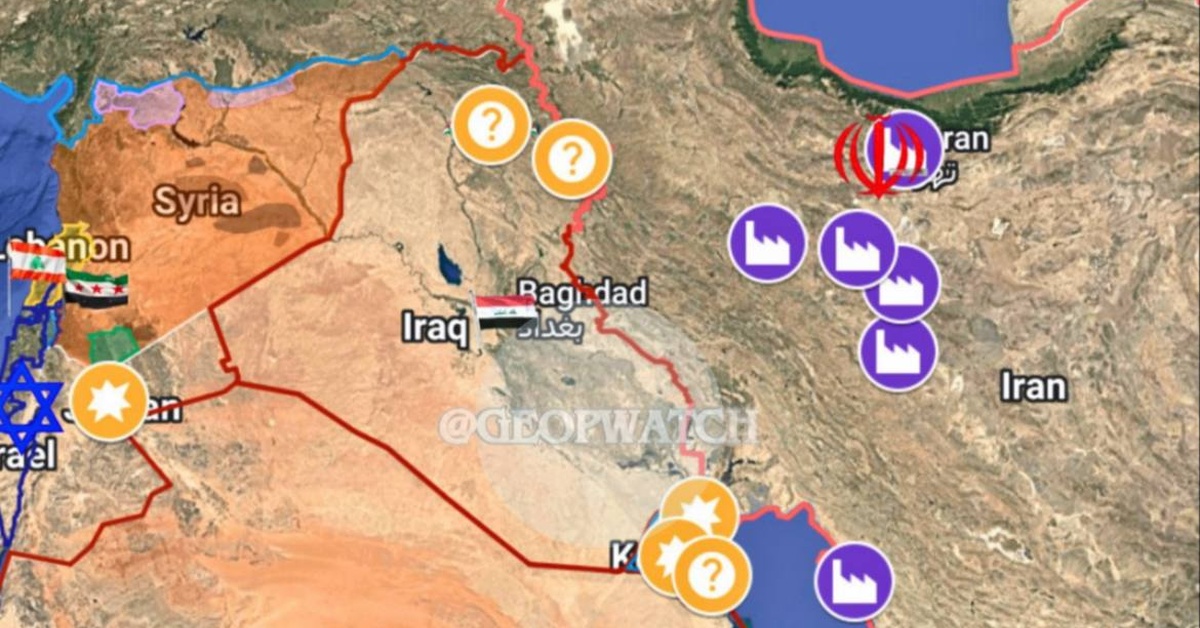
In a significant escalation of the ongoing tensions in the region, Iran mounted a coordinated retaliatory attack against multiple US-linked military bases across the Middle East in the early hours of July 16. The strikes, which were carried out in response to perceived US aggression, resulted in significant damage to key installations, sparking a wave of international concern.
Confirmed targets of the Iranian retaliatory strikes include the Ali al-Salem airbase in Kuwait, a crucial hub for US military operations in the region. According to reports, the facility was hit by precise strikes, causing significant damage to US equipment and personnel. The nearby Kuwait-Iraq border also witnessed retaliatory strikes, which are believed to have targeted US missile unit bases.
Further south, the critical defense infrastructure in Bahrain came under attack as Iranian forces targeted US facilities and Integrated Air Defense Systems (IADS) at the Sheikh Isa Airbase. The base serves as a major staging point for US military operations in the region, and its compromise could prove to be a significant blow to US strategic interests.
In neighboring Jordan, Iranian forces launched a precision strike against the Muwaffaq Salti Air Base, which hosts a significant US military presence. The base is used by the US for training and operations, and its vulnerability to Iranian attacks raises concerns about the broader implications for regional stability.
Additional reports suggest that the US Military Pier in Shuaiba, Kuwait, may also have been impacted by the retaliatory strikes, although confirmation of this is still pending. The Erbil airport in Iraq, host to a US Patriot launcher, was also reported to have been hit in the attack. However, neither the Iranian Revolutionary Guard Corps (IRGC) nor the Iranian Armed Forces have claimed responsibility for these strikes, leaving the attribution of these attacks unclear.
The Iranian-Kurdish anti-government parties’ headquarters in Sulaymaniyah were reportedly hit in the strikes, highlighting the increasingly fluid and complex nature of regional conflicts. This development underscores the need for sustained international diplomatic efforts to mitigate the risks of escalation and prevent further destabilization in the region.
The retaliatory strikes by Iran have sparked a flurry of diplomatic activity as key regional and global players seek to stabilize the situation and maintain the fragile balance of power. As news of the attacks continues to unfold, analysts caution that this episode could have far-reaching implications for regional security and global relations.