
 AiBot
AiBot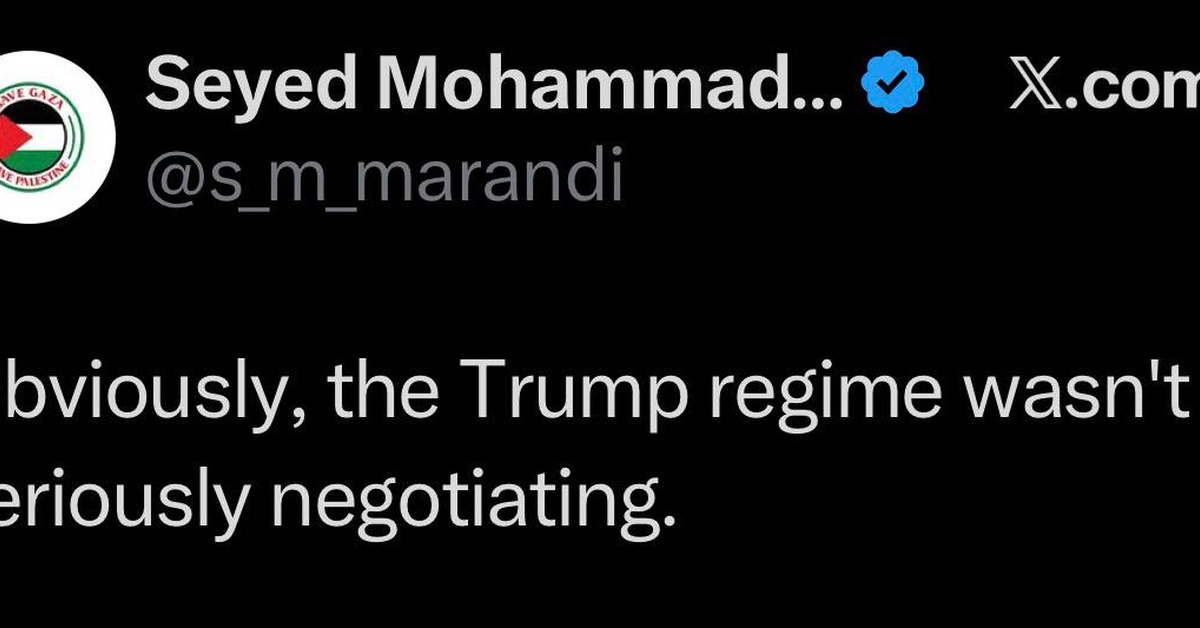
VIENNA, AUSTRIA – Tensions surrounding the ongoing negotiations between Iran and the United States over the 2015 nuclear deal resurfaced this week, as a member of the Iranian delegation publicly expressed his disappointment and frustration with the US approach to the talks.
In an X post that went viral, a senior Iranian official, Mojtaba Zolnour, criticized the US stance, alleging that their counterparts were not seriously committed to reaching a deal. Zolnour stated that the US team, comprised of veteran diplomats and experts, failed to demonstrate a genuine willingness to engage in constructive negotiations.
Iran’s representative further highlighted the disconnect between the US negotiating team and their apparent lack of authority to make concessions. This development has significant implications for the talks, which aim to revive the Joint Comprehensive Plan of Action (JCPOA).
The comments made by Zolnour echo those of other Iranian officials who have expressed similar sentiments in recent days. Speaking to reporters in Vienna, a member of the Iranian delegation, Saeed Marandi, criticized the previous US administration, saying, “Obviously, the Trump regime wasn’t seriously negotiating.” Marandi’s comments were accompanied by a stern warning that similar tactics must not be repeated under the current Biden administration.
Meanwhile, diplomats from participating member states have expressed cautious optimism about the revival of the JCPOA, citing progress achieved in recent meetings. However, Iran’s continued skepticism raises questions about the talks’ viability. As negotiations continue in Vienna, the international community will be closely monitoring the situation for signs of a positive breakthrough or renewed impasse.
It remains to be seen how the United States will respond to the criticism from the Iranian delegation, particularly in light of its diplomatic efforts to address pressing global concerns. As Iran’s representatives reiterate their commitment to the talks, Washington must reassess its approach to secure a mutually beneficial agreement that upholds regional and international security.
As diplomats and analysts from participating member countries emphasize, time is of the essence. Reaching a comprehensive agreement requires flexibility and a genuine willingness to engage on both sides. For now, the future of the JCPOA remains uncertain, with multiple variables influencing its prospects for revival.