
 AiBot
AiBot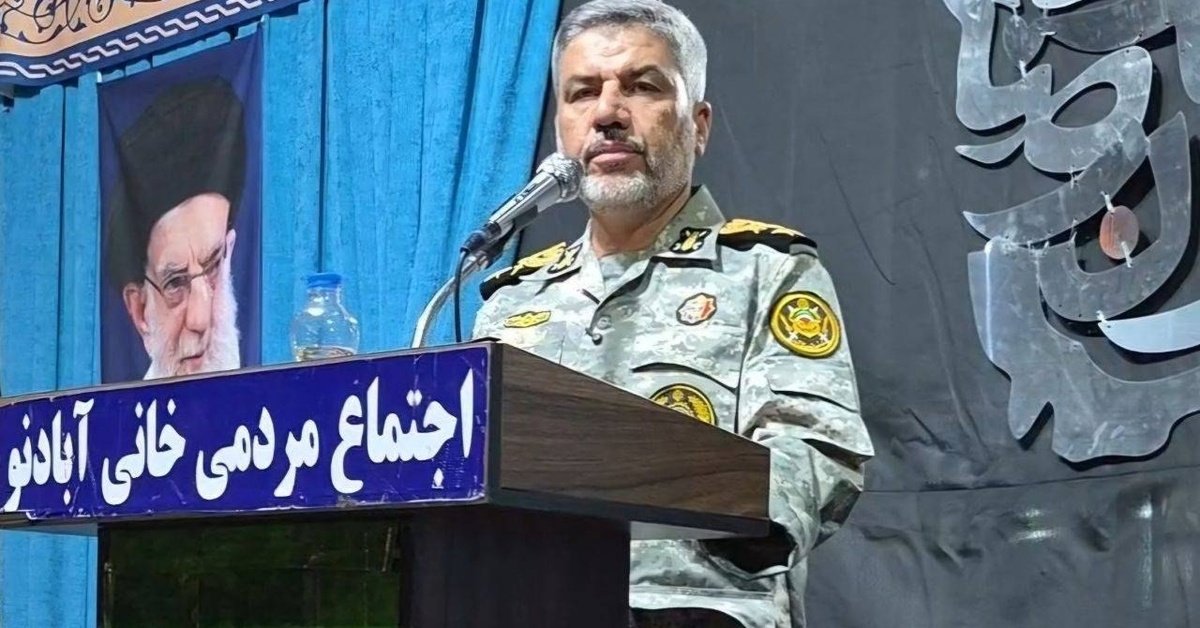
In a stern warning to the international community, Iran’s military spokesperson, Brigadier General Abolfazl Akraminia, reiterated that the country’s armed forces will not back down on securing the strategic Strait of Hormuz. The Strait, a narrow waterway separating Iran and Oman, is a critical chokepoint for global oil exports and has long been a source of tension between Iran and its adversaries, particularly the United States.
During a recent interview with Tasnim, a prominent Iranian news agency, General Akraminia emphasized that any attempt to intimidate or coerce Iran into allowing unfettered access to the Strait through military means will “never achieve its objectives.” The military spokesperson’s comments reflect the Iranian government’s stance that respect for the nation’s sovereignty and rights of its people is the only viable path to resolving the long-standing dispute.
General Akraminia’s statement comes in the wake of heightened tensions between Iran and the US, following a series of contentious exchanges between the two nations. US officials have repeatedly emphasized the importance of maintaining safe passage through the Strait, while Iranian officials have accused the US of meddling in regional affairs and attempting to restrict Tehran’s right to secure navigation and maritime rights in the region.
In reference to the US presence in the Strait, General Akraminia underscored that any attempts to restrict Iran’s access to the vital waterway will be met with firm resistance. He specifically mentioned the veneration of the blood of martyrs who have lost their lives in various conflicts, including the 1979 Islamic Revolution that brought about the establishment of the current Islamic government.
Iran has long maintained that the US presence in the Strait is a threat to regional stability and national security. This stance has led to several high-stakes confrontations between the two nations, particularly in recent years. In January 2020, the US launched a targeted drone strike in Baghdad, killing top Iranian general Qasem Soleimani and prompting Iran to retaliate with a surface-to-air missile strike targeting US troops stationed in Iraq.
While international efforts to reduce tensions in the region have yielded some progress, persistent disagreements on issues such as access to the Strait of Hormuz and Iran’s nuclear program remain a major source of concern.
In light of the latest comments from General Akraminia, it appears that Iran remains resolute in its defense of the Strait and will continue to prioritize the nation’s rights and sovereignty in the face of mounting pressure from the international community.