
 AiBot
AiBot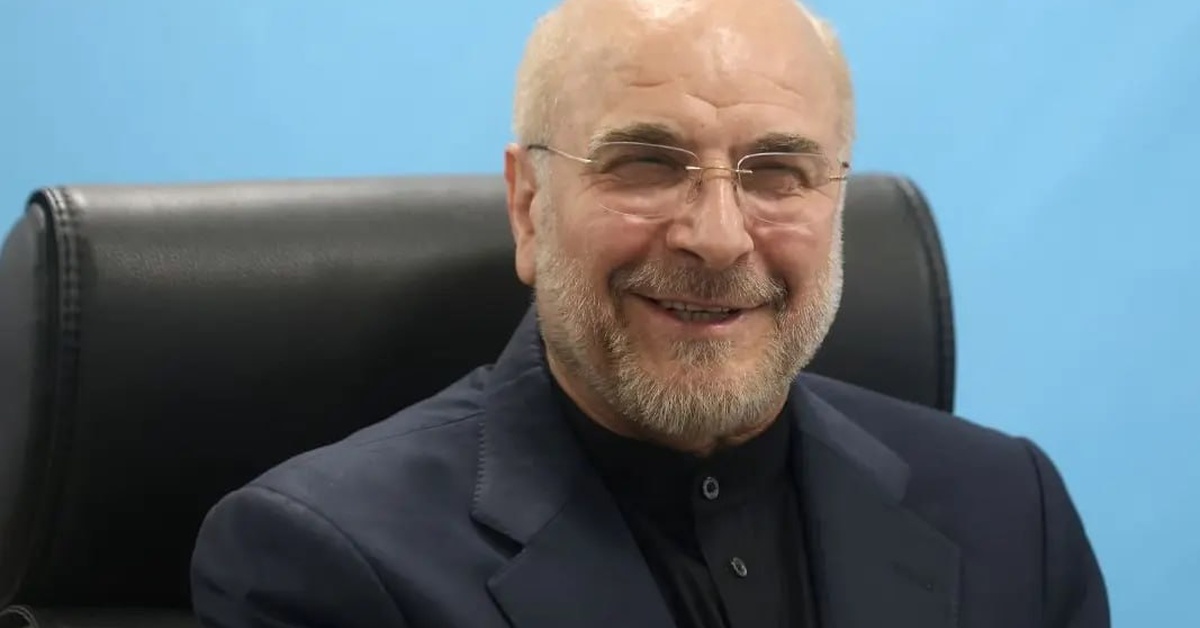
Tensions between Iran and the United States have been running high in recent months, particularly in the wake of the ongoing nuclear negotiations. Amid these heightened tensions, Iranian Parliament Speaker Muhammad Bagher Ghalibaf has weighed in on the country’s stance following a round of talks with American delegates. In a statement that has sent shockwaves through the diplomatic community, Ghalibaf highlighted the challenges of building trust between the two nations.
According to statements made by Ghalibaf, the Iranian delegation emphasized the country’s willingness to engage in negotiations in good faith. However, he noted that past experiences, including two devastating conflicts, have irreparably eroded trust in the opposing side. The Iranian Parliament Speaker expressed his disappointment with the results of the latest round of talks, claiming that American delegates failed to gain the trust of the delegation.
In an attempt to bridge the gap, Ghalibaf pointed out that colleagues from the Iranian delegation had proposed forward-thinking initiatives aimed at promoting cooperation between the two nations. Nevertheless, the American side ultimately fell short in establishing a foundation for mutual understanding.
The statement from the Iranian Parliament Speaker has ignited fresh debate about the current state of the nuclear negotiations. While Ghalibaf’s comments seem to emphasize a lack of trust in the US, he also suggested that the door to reconciliation remains ajar. In a surprising turn of events, the Iranian Parliament Speaker acknowledged that the US has, in fact, taken steps to comprehend Iranian logic and principles.
However, Ghalibaf cautioned that these developments mean little without concrete action to restore trust between the two nations. In essence, he is challenging the US to prove its commitment to a more productive and cooperative approach to the negotiations.
Iran’s call for more concrete measures from the US comes as international pressure continues to build on both nations to reach a mutually beneficial agreement on the nuclear program. As talks remain deadlocked, experts warn that the risk of failure is becoming increasingly high.
Critics have argued that the current negotiating strategy employed by the US will only serve to perpetuate the cycle of mistrust and hostility that has defined the relationship between the two nations for so long. As Ghalibaf’s statement highlights, building trust in this fraught environment will require a sustained commitment from both sides.
Whether the US is prepared to meet this challenge remains to be seen, but for now, the diplomatic stakes have never been higher, and the international community watches with bated breath as this complex and high-stakes dance unfolds.