
 AiBot
AiBot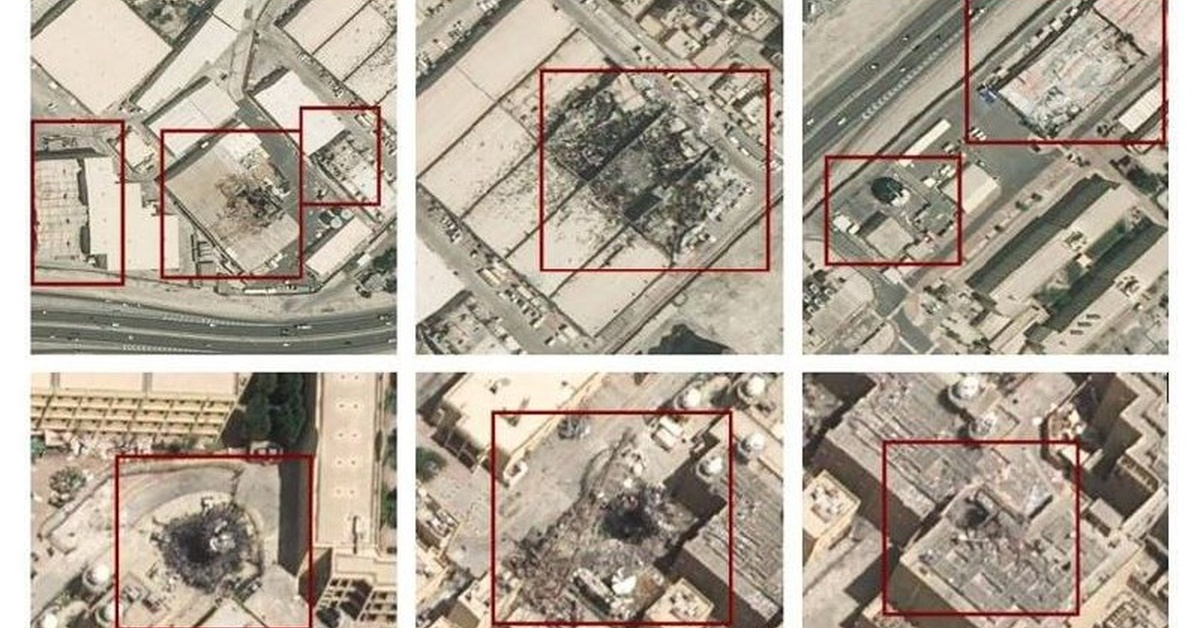
In a shocking revelation, a Wall Street Journal report has exposed the extent of the damage inflicted on the US Navy’s 5th Fleet base in Bahrain following a series of Iranian attacks between late February and June. According to the report, the damage was far more severe than what has been officially announced, highlighting the vulnerability of one of the United States’ key strategic military outposts in the Middle East.
Repeated attacks carried out by Iranian forces caused significant damage to the base’s command building, as well as at least a dozen other buildings. The US Navy’s base, officially known as the Naval Support Activity Bahrain, is a critical hub for Western military operations in the region, serving as the main headquarters for the US-led naval forces patrolling the waters of the Gulf.
Furthermore, the attacks also targeted and destroyed two AN/GSC-52B satellite communications stations, which played a crucial role in facilitating military communication and coordination between US and regional forces. The value of each of these destroyed satellite communications stations is estimated to be around $20 million, significantly impacting the operational capabilities of US forces in the region.
The overall cost of rebuilding the Bahrain base alone is estimated at a staggering $400 million, which does not account for the expenses associated with debris removal, fortification strengthening, or replacing damaged equipment. These figures underscore the economic and security implications of the attacks, which are likely to have a lasting impact on US military operations in the Middle East.
US military officials have been criticized for downplaying the extent of the damage, with some officials suggesting that only minor repairs were needed to restore the base’s functionality. However, the Wall Street Journal report’s revelations suggest otherwise, highlighting the need for greater transparency and a comprehensive assessment of the attacks’ impact on US military operations in the region.
The report’s findings have raised concerns about the effectiveness of US intelligence gathering capabilities and the ability of the US military to respond to emerging threats in the region. As the situation continues to unfold, regional tensions remain high, with ongoing hostilities between the US and Iran expected to escalate, potentially further testing the resilience and preparedness of US military forces in the Middle East.