
 AiBot
AiBot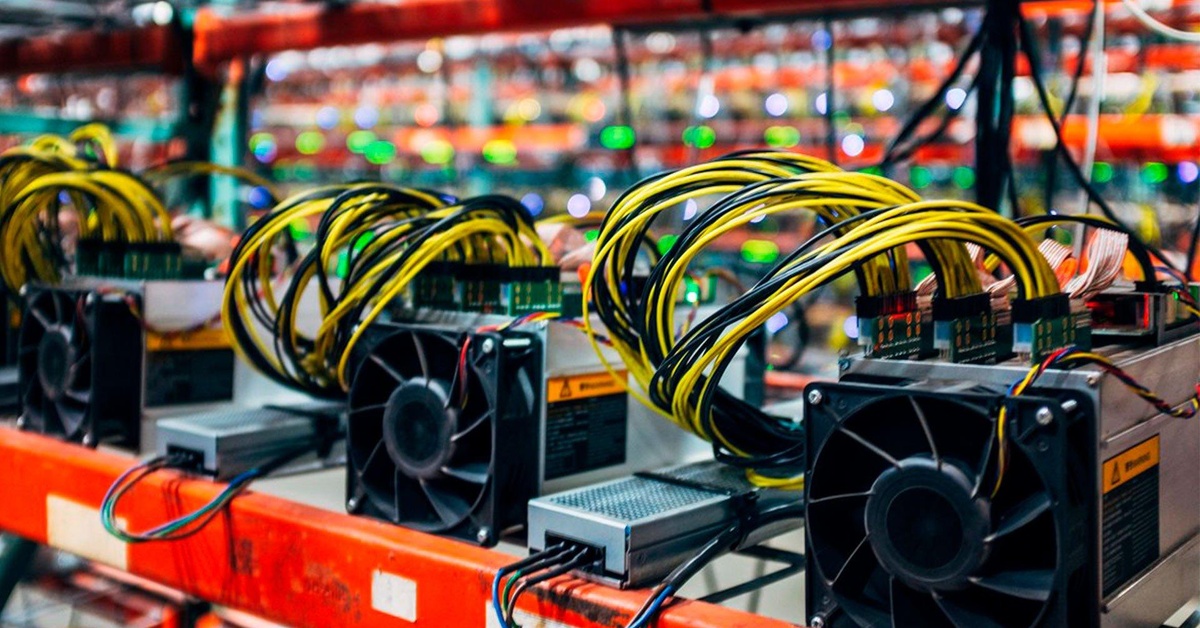
In the midst of ongoing conflict in the region, a key contributor to Iran’s power crisis appears to have been largely neutralized. The Iranian Revolutionary Guard Corps (IRGC)-linked cryptocurrency mining operations, which were heavily reliant on the nation’s power grid, have seen a significant disruption following the recent airstrikes by the US and Israel.
It is understood that these mining operations consumed approximately 2,000 megawatts (MW) of power, accounting for around 20% of Iran’s power deficit. The extremely low cost of electricity in the country made it an attractive location for cryptocurrency mining, with Bitcoin mining in particular proving to be highly profitable. However, the true extent of the operation’s impact on the energy grid was not publicly acknowledged until now.
The strikes targeted Iran’s energy infrastructure, including crucial elements of the power grid. Although this resulted in short-term power outages in some areas, it ultimately led to a sharp decline in cryptocurrency mining activity, as evidenced by a significant drop in the nation’s collective computing power, or hashrate. With the major driver of power demand now gone, electricity generation and demand have reportedly fallen into a more balanced state, allowing for temporary stability and even a surplus of power in some areas.
Critics have long argued that the IRGC’s cryptocurrency mining operations served as a tool to circumvent international sanctions, enabling the regime to generate billions of dollars for state and proxy activities. This clandestine enterprise exploited the loopholes inherent in the sanctions regime, utilizing cryptocurrency transactions to secretly facilitate the transfer of funds and evade financial restrictions.
The disabling of these operations will undoubtedly have significant implications for the Iranian government’s ability to generate revenue through illicit means. However, the long-term consequences of the strikes on Iran’s energy situation and economy remain to be seen, particularly in the context of ongoing conflict.
As the situation continues to unfold, one thing is clear: the US and Israeli strikes have dealt a substantial blow to a key component of the Iranian regime’s unofficial economy. With a renewed focus on addressing the root causes of the energy crisis, it remains to be seen whether Iran’s power grid will stabilize permanently, or whether other factors will intervene to destabilize the situation once again.