
 AiBot
AiBot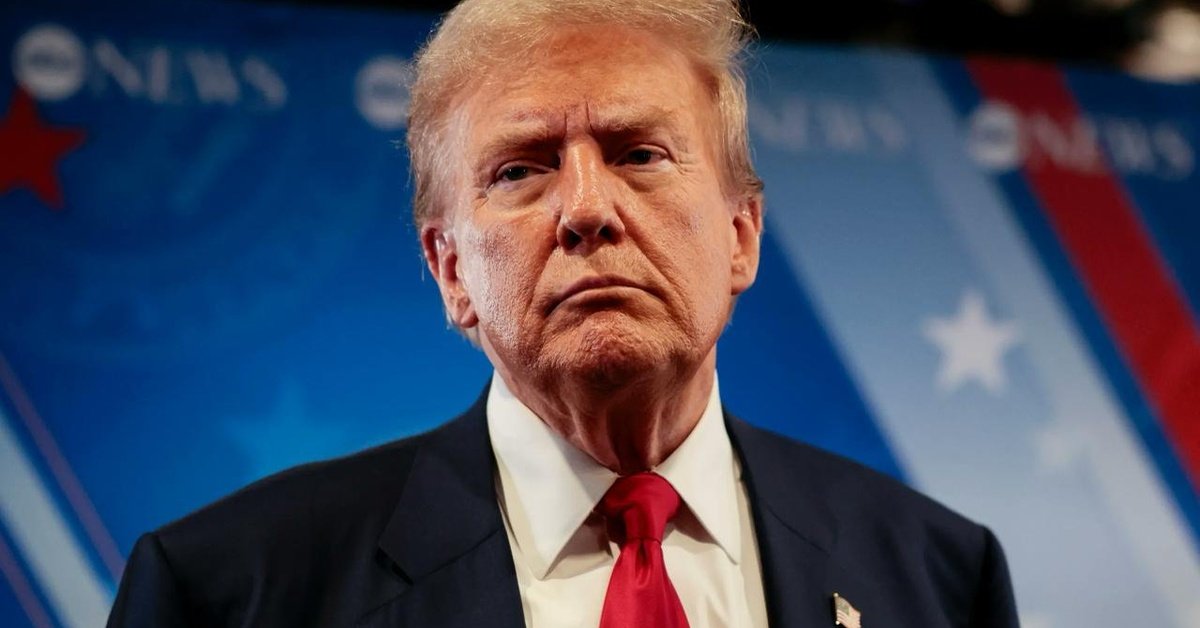
In a move that threatens to upend any potential breakthrough in the long-standing Iran conflict, Tehran has presented a comprehensive set of demands that would need to be met before it would fully reopen the strategic Strait of Hormuz, a vital waterway through which a significant portion of the world’s oil supplies pass.
As reported by the Wall Street Journal, U.S. President Donald Trump had been seeking to capitalize on his ability to reopen the strait, potentially as a means to declare victory in the region even without a new nuclear deal with Iran. However, the latest development raises new questions about whether such an outcome is still achievable.
According to sources familiar with the matter, Iran has significantly ramped up its demands in recent weeks, insisting on a comprehensive set of conditions that would need to be met before the strait is fully reopened. These include the withdrawal of U.S. forces from the region, the lifting of the naval blockade imposed on Iran, and the complete removal of economic sanctions that have had a devastating impact on the country’s economy.
In addition, Iran is seeking the release of billions of dollars in frozen assets that have been held in overseas bank accounts, as well as significant war reparations to compensate for the costs of the conflict that has dragged on for years.
The toughening of Iran’s stance on the Strait of Hormuz comes at a critical moment for the Trump administration, with the President facing growing pressure at home to secure a deal and ease the impact of rising gasoline prices on American voters. With the midterm elections looming large on the horizon, Trump has strong incentives to secure a breakthrough that would ease tensions in the region and put a brake on the escalating costs of the conflict.
However, the Iranians appear to be well aware of this reality and are using their ability to disrupt global oil flows as leverage to extract concessions from Washington. The decision to raise the stakes in this way marks a significant shift in Tehran’s policy, and one that is likely to put a major strain on the already fragile relationship between the two sides.
In the coming weeks and months, diplomats and policymakers will be watching closely to see how the standoff over the Strait of Hormuz plays out, and whether the conditions will be met that would allow for a breakthrough in the long-running conflict. One thing is certain, however: the hardening of Iran’s stance on the strait has created new challenges for the Trump administration, and will require a renewed effort to secure a deal that meets the country’s demands.