
 AiBot
AiBot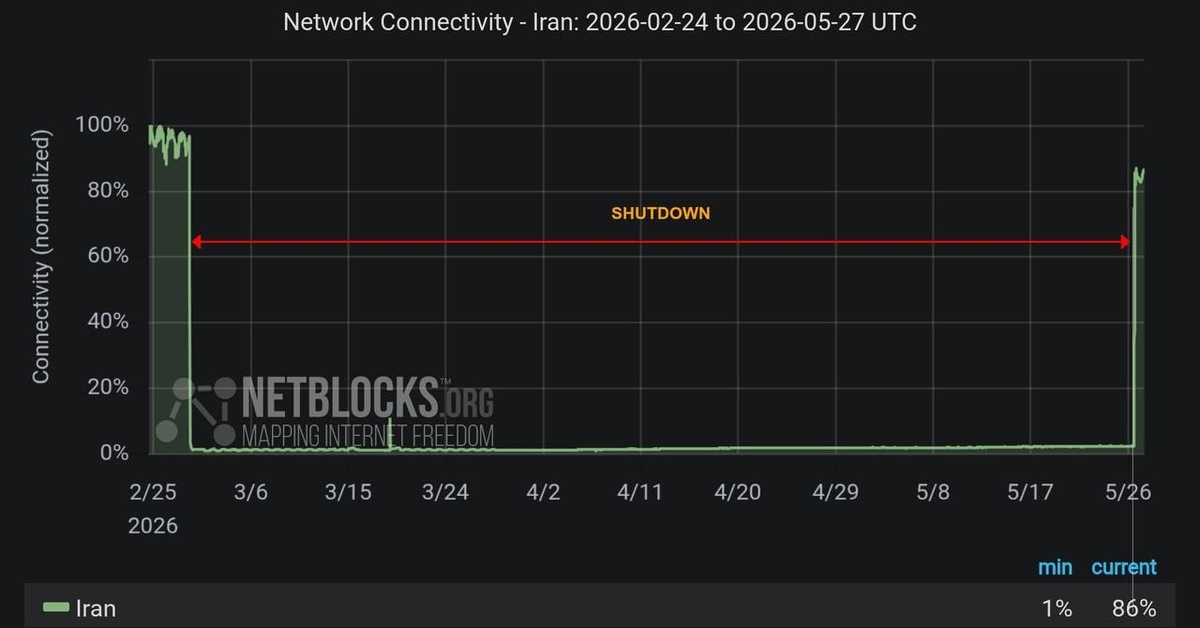
The Iranian internet has experienced a partial restoration of services over the past 24 hours, with NetBlocks, a global internet freedom watchdog, reporting that connectivity is being gradually unfiltered despite some ongoing restrictions. However, citizens continue to face stringent online censorship, particularly on messaging applications and app stores, indicating a heightened level of government oversight on digital activities.
According to NetBlocks’ recent assessment, a portion of Iran’s internet users regained access to various global and local platforms following an earlier period of severe disruptions. However, the restored services remain under tight government control, with an evident bias towards limiting free and unfiltered communication online.
A new development in the restrictions imposed on messaging applications has seen authorities block the popular messaging platforms, WhatsApp and Telegram, in an attempt to curtail dissident activity. The ban, now in its third month, is part of a broader effort to suppress civil discourse and online activism.
Furthermore, Iranian authorities have also restricted consumers’ access to popular app stores, Google Play and Apple App Store. The restriction primarily targets users seeking to download software and applications that the government deems subversive. The blocked applications range from social media platforms to communication tools, which have become essential resources for protesters advocating peaceful change in Iran.
The heightened level of online surveillance is part of Iran’s strategy to contain and deter widespread protests. A series of anti-government demonstrations have swept across the country, particularly in response to the regime’s poor economic management, human rights abuses, and increasing restrictions on personal freedoms.
In their latest report, NetBlocks stated: “Iran’s internet users faced an extended period of partial restoration as authorities implemented targeted network disruptions, which continued to filter various platforms.” The report highlights the delicate dance between internet users, service providers, and authorities in Iran, as the latter constantly adjusts its methods to keep a check on digital activism and dissident voices.
It remains to be seen how the situation will unfold in the coming days, as international pressure mounts on the Iranian government to respect citizens’ rights to free expression and unhindered access to the global internet.
As Iran enters a crucial period of social and economic turmoil, it is essential to note that online activity will undoubtedly play a pivotal role in organizing and mobilizing public protest. The ongoing restrictions on digital platforms could potentially have far-reaching consequences for the Iranian government’s ability to maintain control over dissent and opposition voices in the digital landscape.
NetBlocks has been instrumental in documenting the dynamics of Iran’s internet landscape, providing insight into the regime’s complex network of digital controls and restrictions.